Mammillaria microthele crest
Origin of Name:
The genus Mammillaria derives from the Latin mammilla, meaning "nipple," referencing the distinctive tubercles that cover the plant's surface, reminiscent of small nipples. The species microthele is from Greek roots: mikros meaning "small," and thēlē meaning "nipple" or "nipple-like projection," highlighting its tiny tubercles compared to other Mammillarias. The name microthele was assigned by botanist Curt Backeberg in 1936, who was renowned for describing many cactaceous species. The cultivar crest indicates its unique growth form—an eagerly cultivated "crest" or "fan-shaped" form that develops when the plant is propagated in a specific way, creating a stunning, ripple-like display. The naming celebrates both its tiny tubercles and its ornamental crest formation, making it a favorite among cactus collectors.
Origin of Plant:
Native to regions of Mexico, particularly within the Baja California and Sonora deserts, Mammillaria microthele naturally thrives in rocky, arid environments with minimal rainfall and intense sunlight. Discovered in the early 20th century by cactus explorers, it was initially collected during expeditions in the 1920s and 1930s aimed at cataloging desert flora. Its hardy nature and distinctive appearance have made it a standout species in cactus cultivation worldwide. The crested form, specifically, is propagated through grafting or propagation in cultivation, as it is not commonly found in wild populations, which makes it highly prized among enthusiasts.
Description:
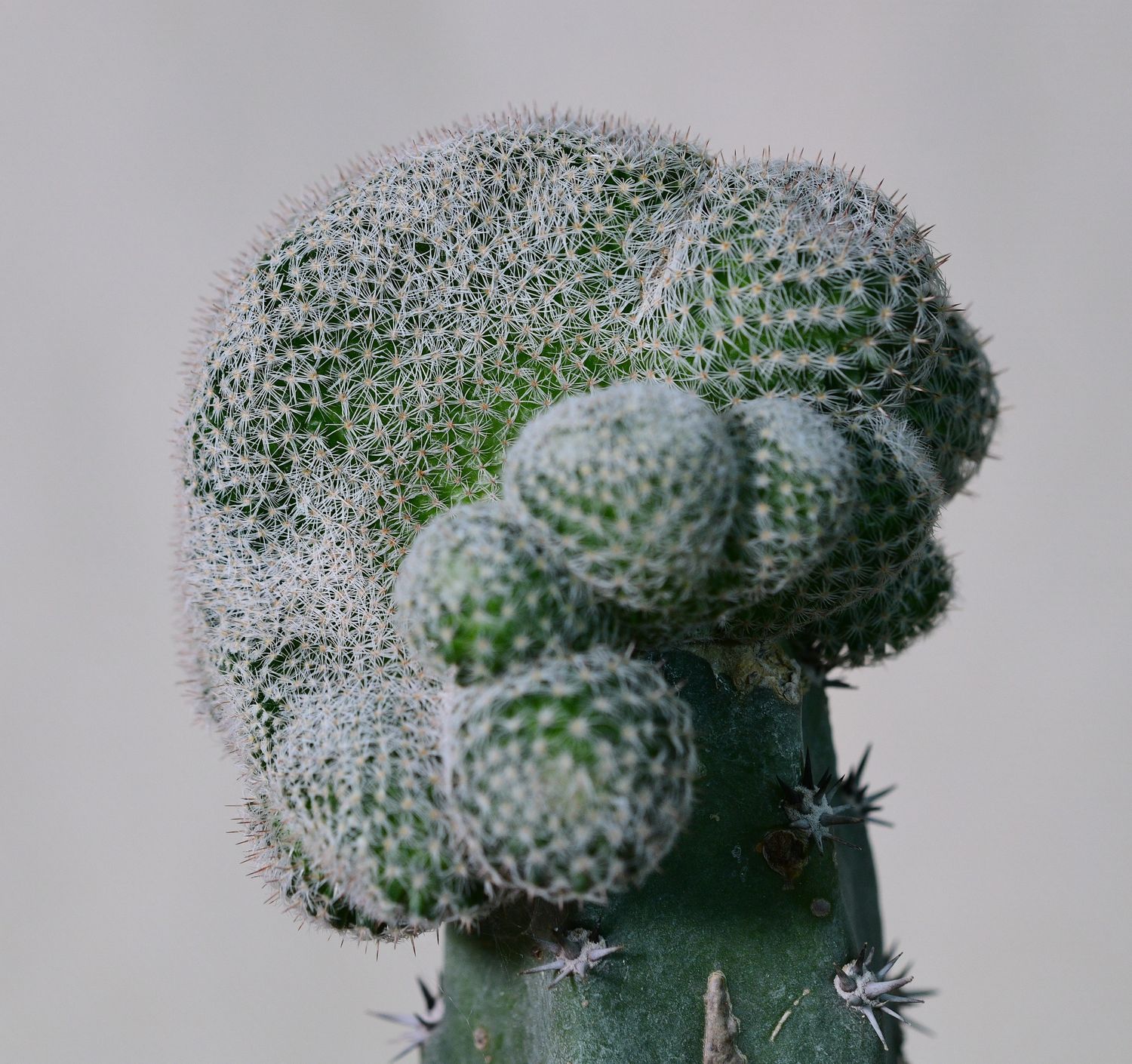
This Mammillaria forms a dense, rounded cluster of small tubercles covered with fine, white, woolly areoles. The crest variety, which is what makes this plant truly remarkable, develops a stunning, undulating, fan-like or ruffled appearance, resembling a cascading wave or crown. The plant’s body is typically about 3-5 inches in diameter, with slender, radiating spines that are usually pale yellow or white, giving it a soft, delicate appearance. During spring and early summer, the plant produces tiny, bell-shaped flowers that are bright pink, magenta, or white, often forming a ring around the crest's apex. Its ornamental value is heightened by its unusual crest formation, making it an eye-catching centerpiece for cactus collections or xeriscapes.
Conservation Status:
While Mammillaria microthele is relatively common in cultivation, some wild populations face habitat pressures from urban development and illegal collection. Cultivated crests are propagated responsibly by nurseries, helping to preserve wild specimens and reduce poaching. Conservation efforts focus on habitat protection and sustainable cultivation, ensuring this beautiful species continues to flourish both in the wild and in gardens worldwide.
Care:
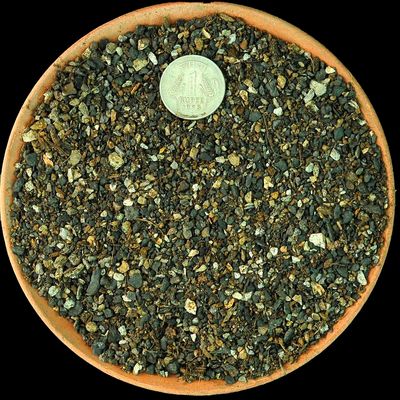
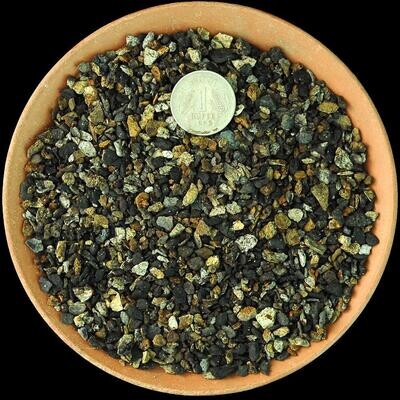
This cactus prefers bright, direct sunlight—at least 4-6 hours daily—to develop its full color and flowering potential. Use a well-draining cactus or succulent soil, such as a mix of mineral grit, coarse sand, and organic matter. Water sparingly, allowing the soil to dry out completely between waterings, especially during the winter months when the plant is dormant. It’s sensitive to overwatering and cold temperatures; keep indoor for colder zones or provide frost protection outdoors. Temperatures between 65°F and 85°F are ideal, avoiding frost or high humidity. During active periods, feed with a diluted cactus fertilizer monthly. Proper attention to its sunlight, watering, and temperature needs will produce a thriving, breathtaking crest that adds architectural beauty to any collection.
Interesting Fact:
Crested forms of Mammillaria—like this microthele crest—are fascinating adaptations often occurring when the plant experiences genetic mutations or environmental stress. These formations have fascinated botanists and enthusiasts alike, often considered living art, and are highly sought after for their rarity and beauty. The crested variety’s unique undulating form was first discovered in cultivation and is now propagated for its ornamental appeal, symbolizing nature’s whimsical creativity.