

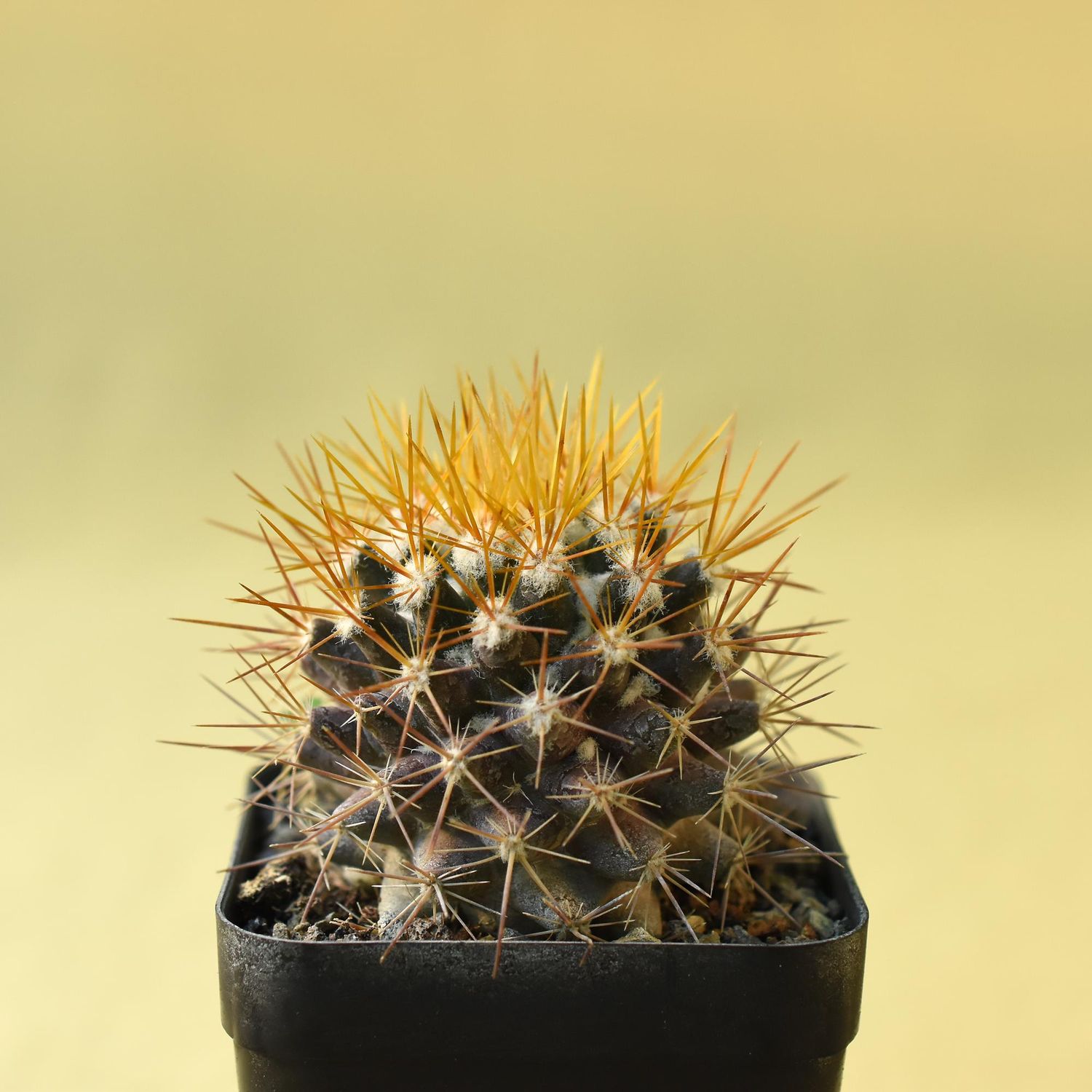
Mammillaria Nivosa
Product Details
The Snowy Sentinel: Mammillaria nivosa
A masterpiece of golden spines and woolly white tufts, this Caribbean rarity is a high-contrast jewel for the dedicated xerophyte collector.
- Origin & History of Name: The species name nivosa is derived from the Latin word for "snowy," referencing the dense, white woolly felt that develops between the tubercles (areoles). It was formally described by British botanist Nicholas Edward Brown in 1889, though it had been recognized earlier as a distinct Caribbean variation within the Mammillaria genus.
- Morphology: This globose cactus is characterized by its dark green epidermis heavily obscured by a dense arrangement of bronze-to-gold radial spines. Its most distinctive feature is the thick, white tomentum (wool) produced in the axils, which creates a striking "snowy" appearance. It produces funnel-shaped, creamy-yellow flowers followed by bright red, club-shaped fruits.
- Habitat & Origin: Mammillaria nivosa is a wild species native to the Caribbean, specifically found in the Bahamas, Puerto Rico, and the Virgin Islands. It typically grows on limestone cliffs and rocky coastal outcroppings. Our specimens are nursery-grown via sustainable propagation to protect wild populations from over-harvesting.
- Cultivation Profile:
- Substrate: Requires a strictly mineral-based, porous mix. Use 70% inorganic grit (crushed brick, pumice, or fine gravel) and 30% organic compost.
- Light: Thrives in full sun to very bright indirect light. In the intense Indian summer, provide 30%–50% shade cloth protection to prevent epidermal scorching.
- Water/Dormancy: Water thoroughly only when the medium is bone-dry. During the monsoon and winter dormancy, withhold water almost entirely to prevent root rot in high-humidity regions.
- Scientific/Historical Anecdote: Unlike many cacti that evolved in arid inland deserts, Mammillaria nivosa is a "halophytic" leaning species, meaning it evolved to withstand the salt spray and humidity of coastal Caribbean environments. This unique adaptation makes it more resilient to the humidity levels found in coastal Indian cities compared to high-altitude desert species.
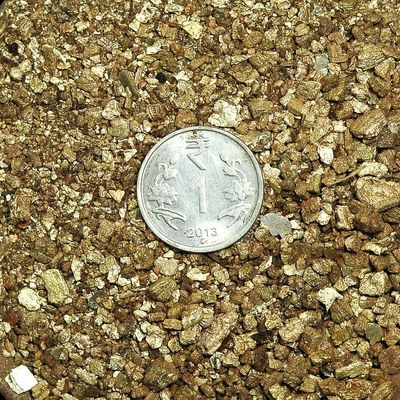
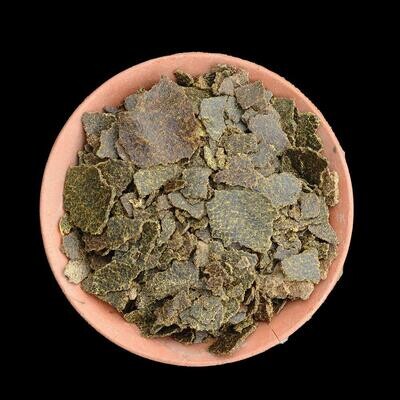
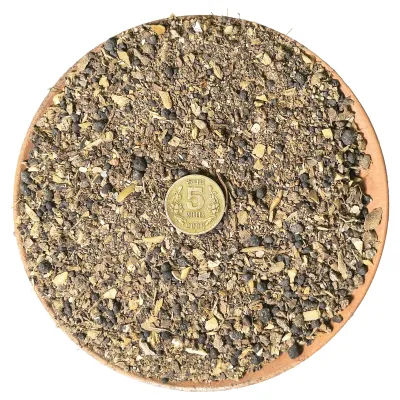
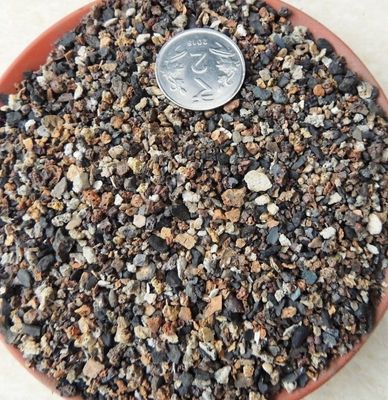
Cactus & Succulent Planting Mix FINE (aka Cactus Soil Mix or Succulent Soil Mix)
Cactus & Succulent Planting Mix FINE (aka Cactus Soil Mix or Succulent Soil Mix)
Fine-Grain Potting Mix for Cactus & Succulent Roots
SKU MNS001
₹33.74