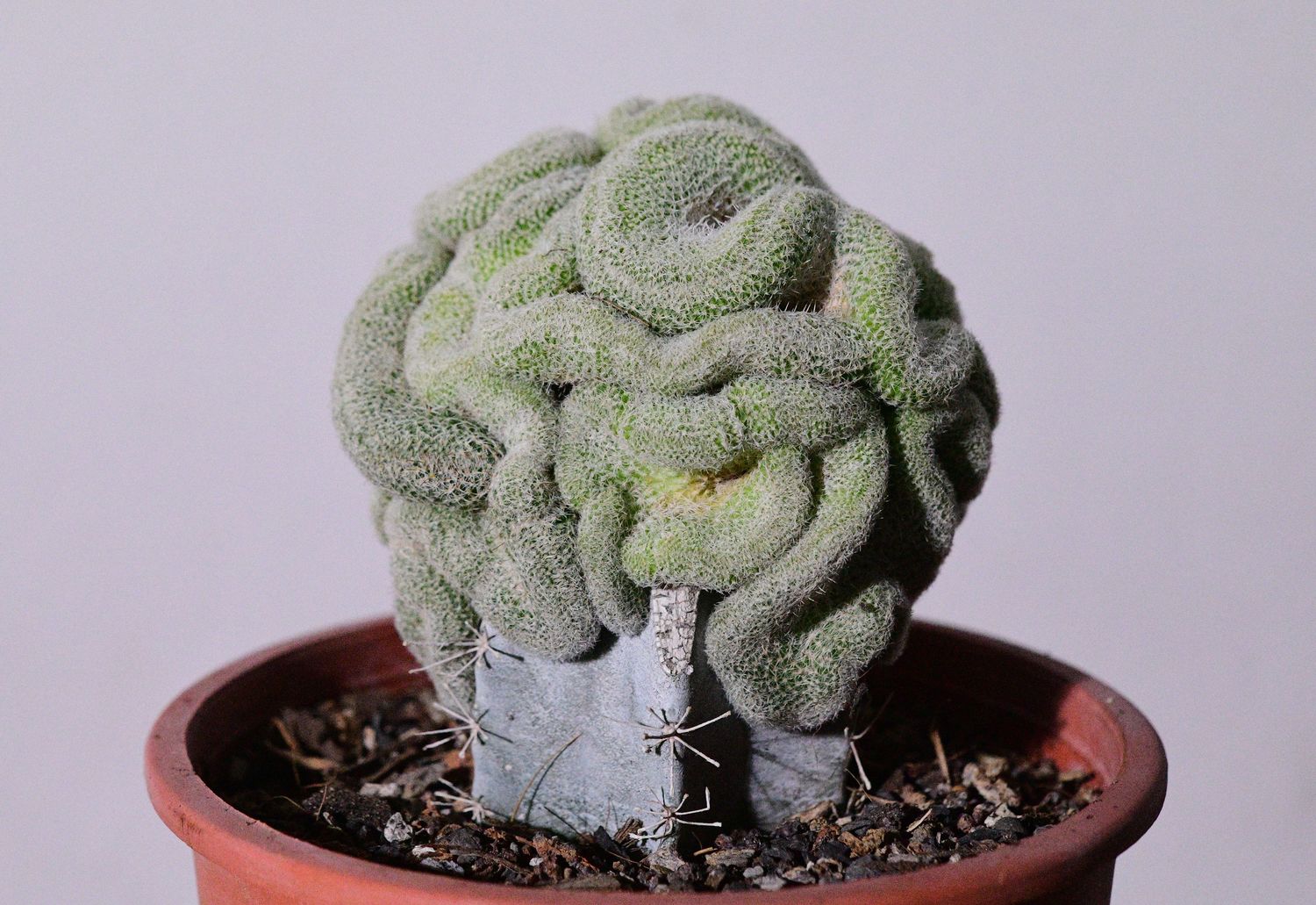
Mammillaria perbella crest
Product Details
Sculptural Geometry: Mammillaria perbella f. cristata
A rare, fan-shaped architectural marvel prized for its dense silver spination and intricate undulating growth.
- Origin & History of Name: The genus name Mammillaria was established by Adrian Haworth in 1812, derived from the Latin mammilla (nipple or teat), referring to the plant’s tubercle structure. The specific epithet perbella translates to "very beautiful." The suffix "crest" (or cristata) denotes a genetic mutation where the growing point shifts from a single dot to a line, creating a folded, ribbon-like appearance.
- Morphology: This specimen exhibits fasciation, where the meristem (growth tissue) expands laterally to form a wavy, fan-like structure rather than a cylinder. The epidermis is almost entirely obscured by short, white radial spines and woolly areoles, giving it a frosted, silver sheen. Unlike the standard globose form, the crest creates tight, brain-like folds that increase in complexity as the plant matures.
- Habitat & Origin: While the base species Mammillaria perbella is native to the high-altitude calcareous hills of Querétaro and Hidalgo, Mexico, the crested form is a rare cultivar maintained through specialized nursery propagation. Our specimens are produced via sustainable vegetative offsets to protect wild Mexican populations from poaching.
- Cultivation Profile:
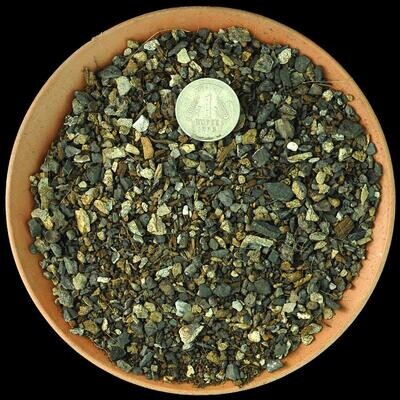
- Substrate: A strictly mineral-based mix (70% grit/pumice, 30% organic matter) is essential to prevent moisture retention in the crest’s tight folds.
- Light: Requires bright, indirect sunlight; in the Indian subcontinent, provide 50% shade cloth during peak summer (April–June) to prevent epidermal scorching.
- Water/Dormancy: Water deeply only when the medium is bone-dry. During the humid monsoon and cool winter, transition to a dry dormancy to avoid fungal pathogens common in high-humidity zones like Mumbai or Kolkata.
- Scientific/Historical Anecdote: Mammillaria is one of the largest genera in the Cactaceae family, but it was originally categorized under Cactus by Linnaeus. The "cresting" phenomenon seen in this plant is still a subject of scientific study; it can be triggered by hormonal imbalances or physical trauma, yet in M. perbella, the mutation is so stable it has become a "living sculpture" highly sought by xeric collectors worldwide.
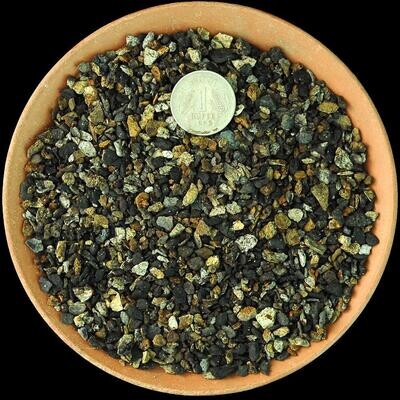
Cactus & Succulent Planting Mix COARSE (aka Cactus Soil Mix or Succulent Soil Mix)
Cactus & Succulent Planting Mix COARSE (aka Cactus Soil Mix or Succulent Soil Mix)
Washed, Free-Draining Mineral Mix for Cactus & Succulents
SKU MNS003
₹44.85
New
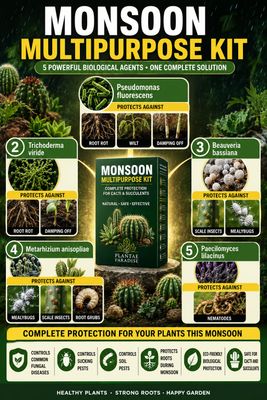
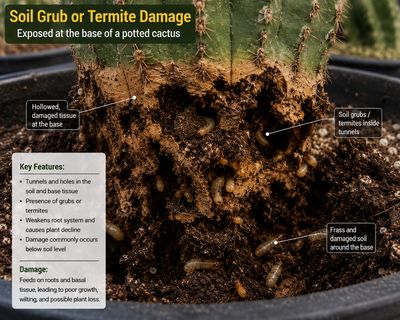
Monsoon Guardian Kit (5 in 1)
Monsoon Guardian Kit (5 in 1)
Complete 5-in-1 biological protection kit for cacti & succulents
SKU MNS024
₹850.00
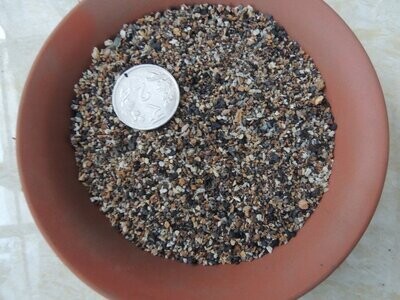
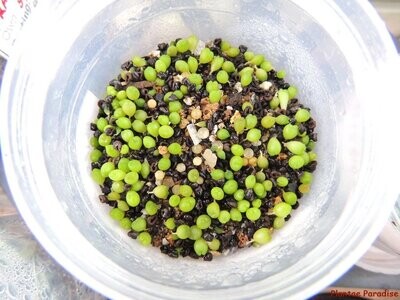
Cactus Seed Planting Mix
Cactus Seed Planting Mix
Sterile, Fine-Grain Media for Cactus & Succulent Seeds
SKU MNS005
₹74.85