

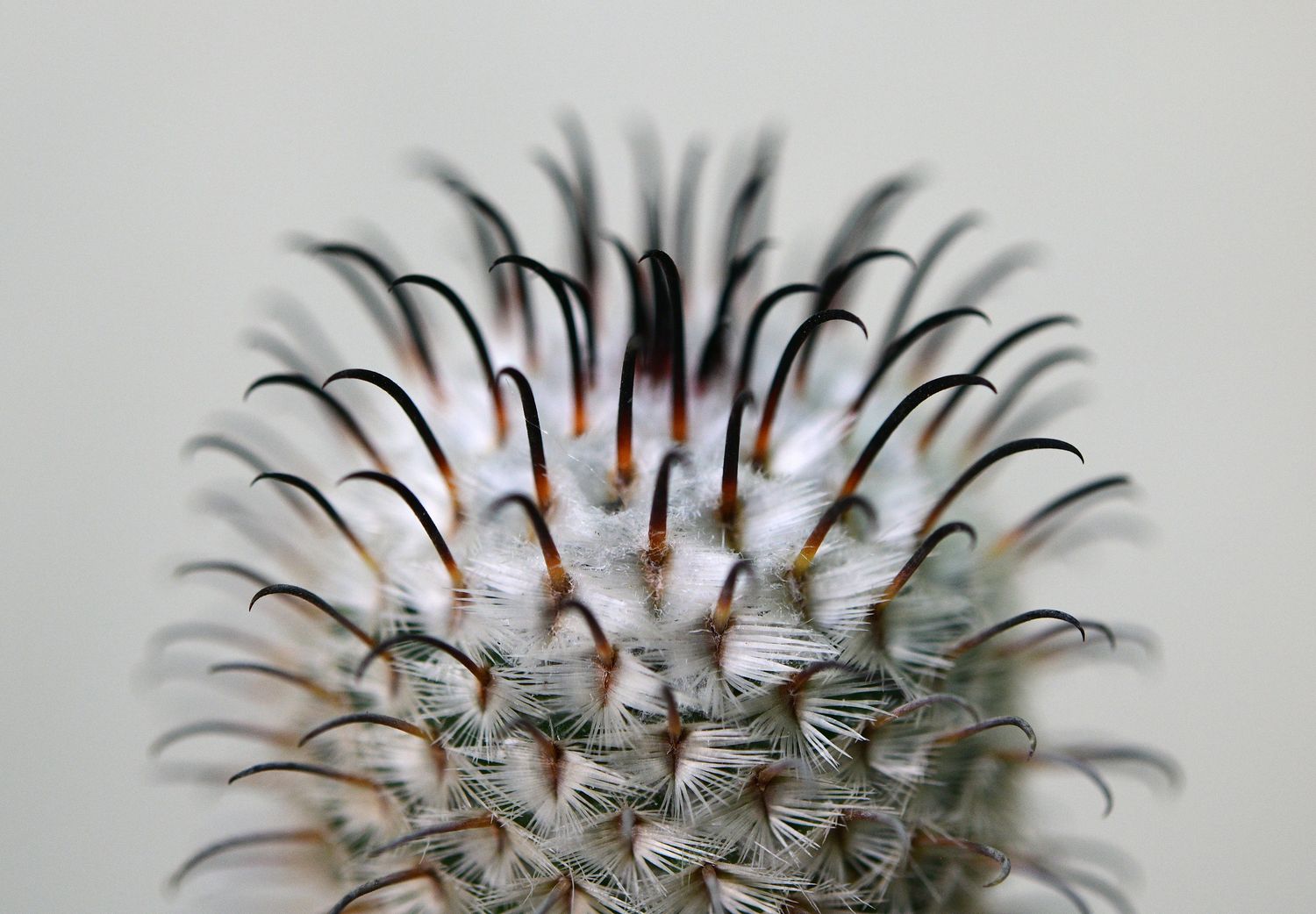
Mammillaria perezdelarosae
Product Details
Porcelain Precision: Mammillaria perezdelarosae
An elite collector’s specimen distinguished by its dense, snowy-white radial spines and contrasting mahogany central hooks.
- Origin & History of Name: The genus name Mammillaria comes from the Latin mammilla, meaning "nipple" or "teat," referring to the tubercle-based structure of the plant body. This species was named in honor of Jorge Pérez de la Rosa, a Mexican botanist and pine specialist who discovered the plant in the late 20th century (officially described in 1985).
- Morphology: This globose cactus is renowned for its geometric perfection. The epidermis (outer skin) is almost entirely obscured by a complex lattice of pectinate radial spines. Its most striking feature is the dark, bicolored central spine that terminates in a sharp hook. Unlike many cacti, it lacks costae (ribs), instead organizing its tissues into spirally arranged tubercles, from which delicate, cream-colored flowers emerge in a ring near the apex.
- Habitat & Origin: This is a wild species endemic to a very restricted range in the state of Jalisco, Mexico. It grows on steep limestone cliffs at high elevations. Due to its limited natural distribution, commercially available specimens are laboratory-propagated or nursery-grown from seed to ensure the survival of wild populations and promote sustainable trade.
- Cultivation Profile:
- Substrate: Use a strictly mineral-based mix (70% grit/pumice/perlite, 30% organic matter) to prevent root rot in high-humidity regions.
- Light: Requires bright, filtered sunlight; in the Indian summer, provide 30-50% shade cloth to prevent scorching while maintaining the characteristic dense spine growth.
- Water/Dormancy: Water sparingly during the monsoon to avoid fungal issues. Maintain a dry dormancy period from November to February to mimic its high-altitude habitat and trigger spring flowering.
- Scientific/Historical Anecdote: For a long time, Mammillaria perezdelarosae was considered a subspecies of Mammillaria bombycina. However, DNA analysis and distinct seed morphology eventually proved it was a unique species. Its discovery was a major event in the succulent world because it represents one of the most "neat" and visually symmetrical examples of the genus ever found in the wild.


Cactus Seed Planting Mix
Cactus Seed Planting Mix
Sterile, Fine-Grain Media for Cactus & Succulent Seeds
SKU MNS005
₹74.85
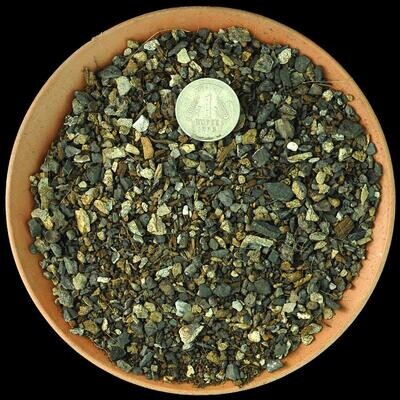

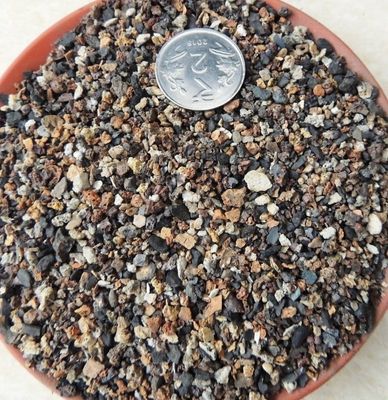
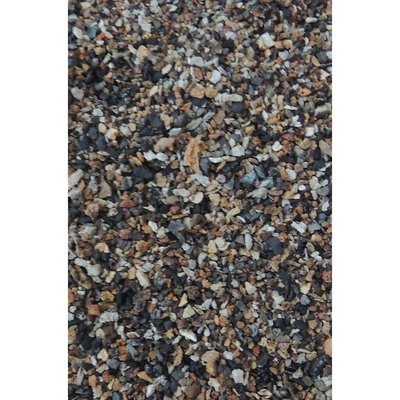
Cactus & Succulent Planting Mix FINE (aka Cactus Soil Mix or Succulent Soil Mix)
Cactus & Succulent Planting Mix FINE (aka Cactus Soil Mix or Succulent Soil Mix)
Fine-Grain Potting Mix for Cactus & Succulent Roots
SKU MNS001
₹39.85