

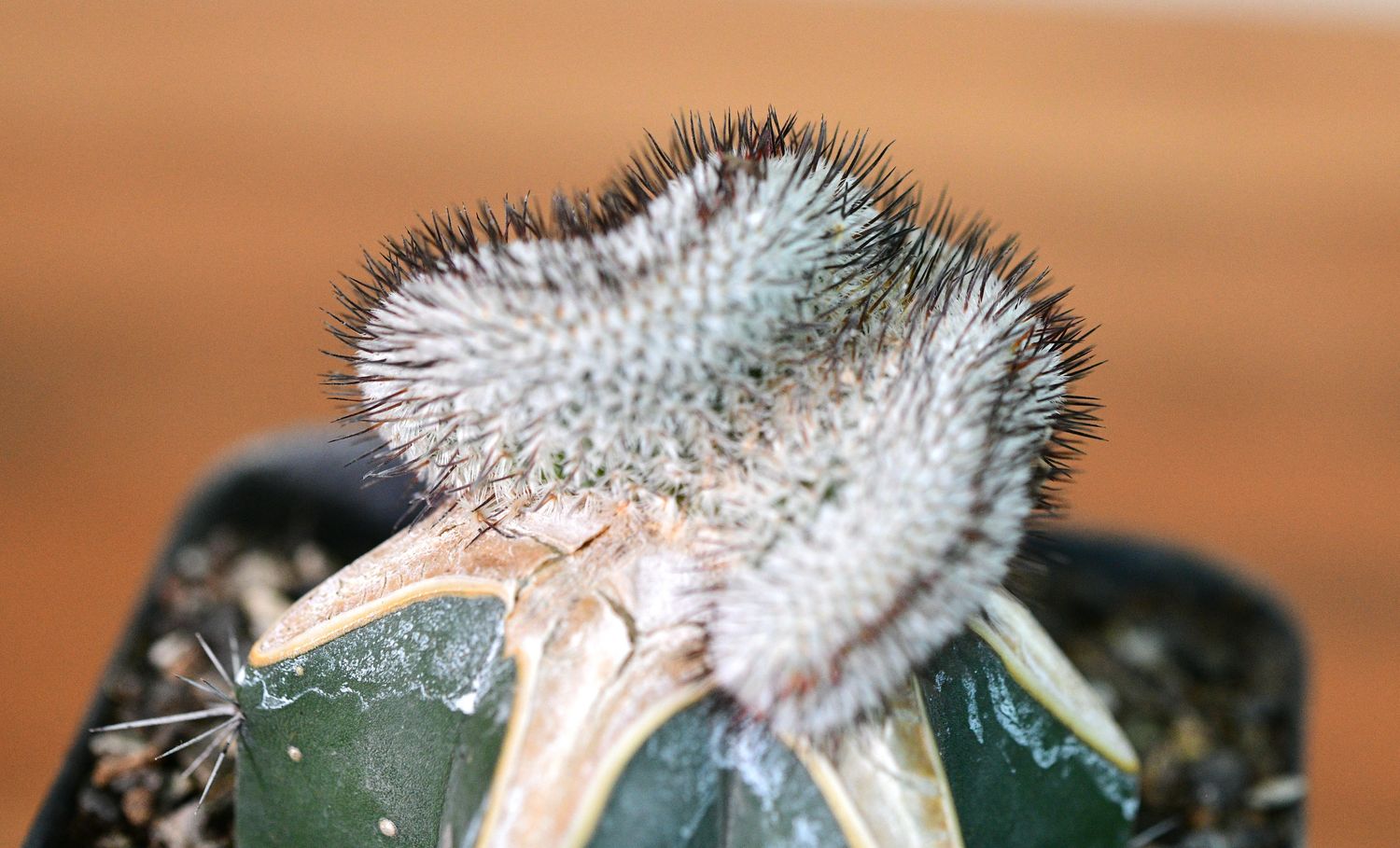
Mammillaria perezdelarosae subs. andersoniana crest
Product Details
Sculptural Elegance: Mammillaria perezdelarosae subs. andersoniana crest
A rare, fan-shaped mutation of a highly sought-after Mexican species, prized for its dense, snowflake-like spination.
- Origin & History of Name: The genus Mammillaria comes from the Latin mammilla (nipple/tubercle), referencing the plant's distinct physical structure. The species honors Jorge Pérez de la Rosa, while the subspecies andersoniana is named after Dr. Edward F. Anderson, a preeminent American botanist and former president of the International Organization for Succulent Plant Study.
- Morphology: This specimen exhibits fasciation, a rare growth mutation where the apical meristem (growth point) expands into a linear, fan-like "crest" rather than a single point. The epidermis is obscured by tightly packed tubercles, each topped with an areole bearing delicate, pectinate (comb-like) white spines that give the plant a frosted, sculptural appearance.
- Habitat & Origin: While the type species is native to Jalisco, Mexico, this "crest" is a rare horticultural cultivar derived from wild genetics. It is propagated through careful grafting or cuttings to preserve the mutation. All specimens are nursery-grown to ensure the protection of wild populations in their high-altitude limestone habitats.
- Cultivation Profile:
- Substrate: Use a strictly mineral-based mix (70% grit/pumice/perlite, 30% organic matter) to ensure rapid drainage and prevent root rot.
- Light: Bright, indirect sunlight is essential. In the Indian subcontinent, provide 40-50% shade cloth during peak summer (April–June) to avoid scorching the delicate crest.
- Water/Dormancy: Water thoroughly only when the substrate is bone-dry. Reduce watering significantly during the monsoon and enter a strict dry dormancy from November to February to mimic its natural arid cycle.
- Scientific/Historical Anecdote: The subspecies andersoniana was relatively recently described (2001), highlighting that even within popular genera like Mammillaria, new botanical discoveries are still being made in the remote, rugged canyons of Mexico. Crested forms are particularly significant to science as they represent a "mistake" in genetic coding that creates a unique, stable architectural form.
New
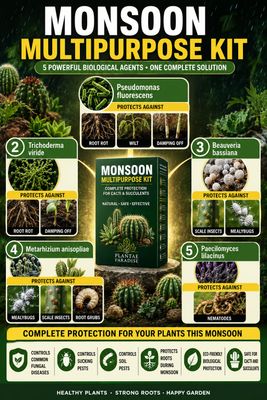
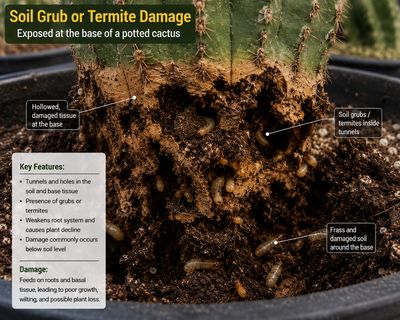
Monsoon Guardian Kit (5 in 1)
Monsoon Guardian Kit (5 in 1)
Complete 5-in-1 biological protection kit for cacti & succulents
SKU MNS024
₹850.00
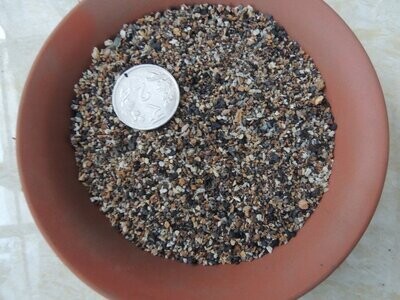
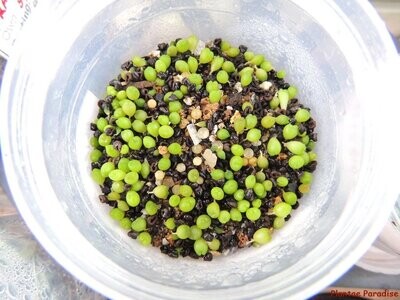
Cactus Seed Planting Mix
Cactus Seed Planting Mix
Sterile, Fine-Grain Media for Cactus & Succulent Seeds
SKU MNS005
₹74.85
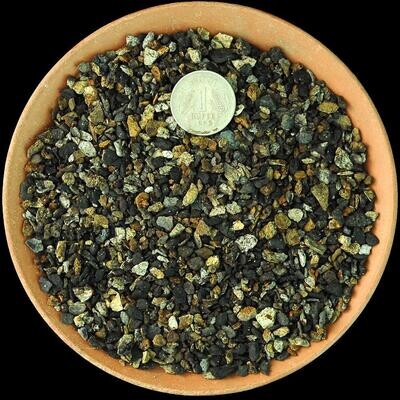
Cactus & Succulent Planting Mix COARSE (aka Cactus Soil Mix or Succulent Soil Mix)
Cactus & Succulent Planting Mix COARSE (aka Cactus Soil Mix or Succulent Soil Mix)
Washed, Free-Draining Mineral Mix for Cactus & Succulents
SKU MNS003
₹44.85
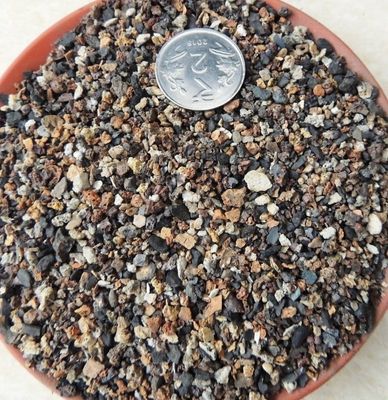
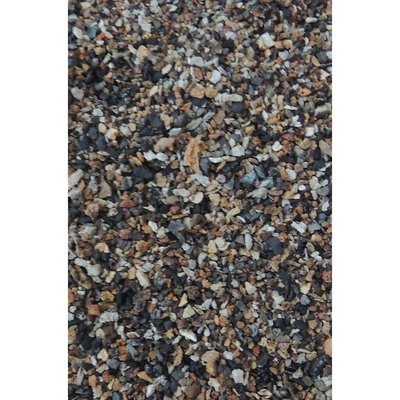
Cactus & Succulent Planting Mix FINE (aka Cactus Soil Mix or Succulent Soil Mix)
Cactus & Succulent Planting Mix FINE (aka Cactus Soil Mix or Succulent Soil Mix)
Fine-Grain Potting Mix for Cactus & Succulent Roots
SKU MNS001
₹39.85