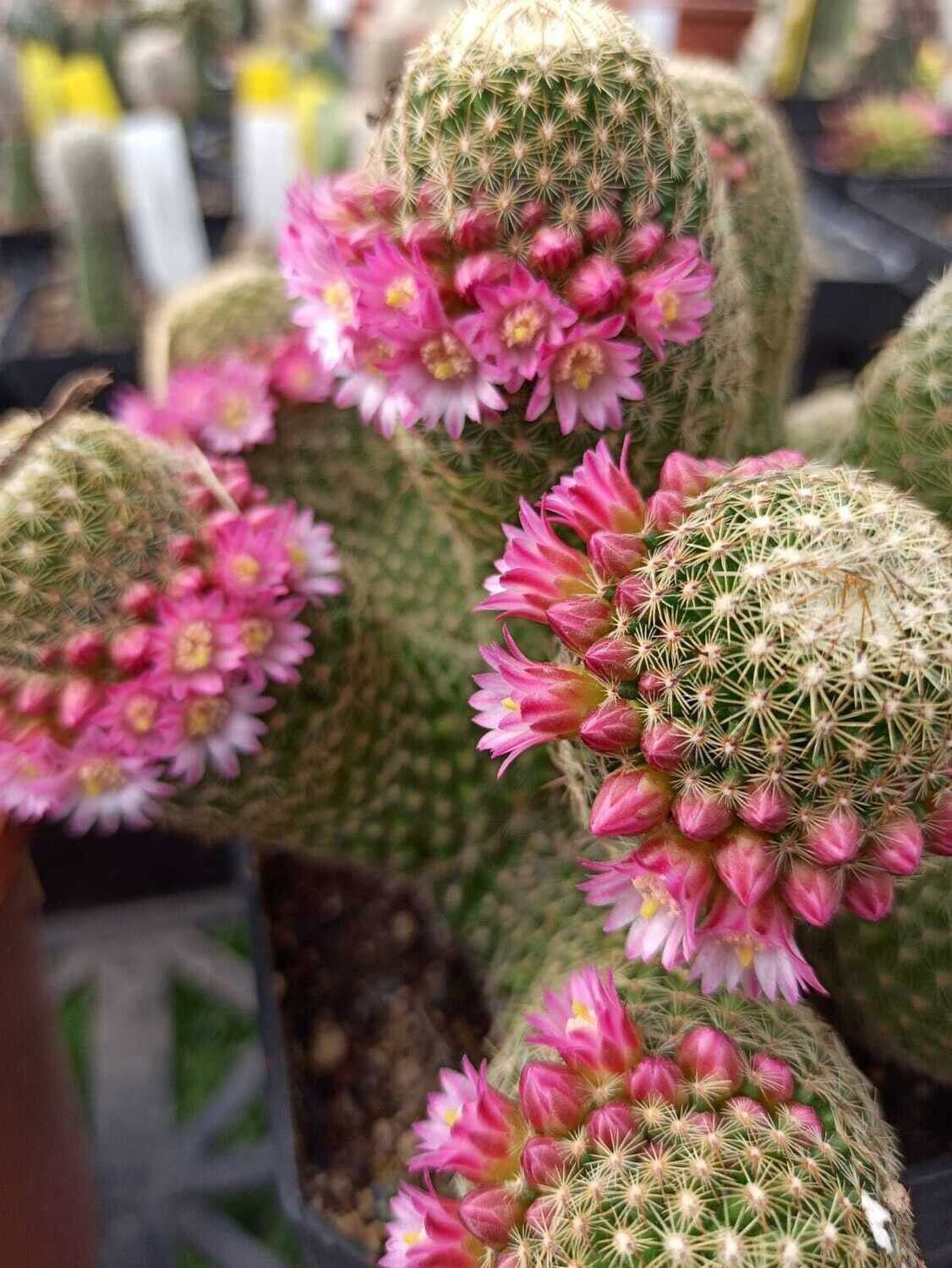
Mammillaria Polythele
Product Details
Geometric Precision: Mammillaria polythele
A structural masterpiece of the Chihuahuan desert, prized by collectors for its distinctive spiraling symmetry and woolly crown.
- Origin & History of Name: The genus name Mammillaria is derived from the Latin mammilla, meaning "nipple" or "teat," referring to the tubercle-based structure of the plant body rather than traditional ribs.
- Morphology: This solitary globose cactus eventually becomes cylindrical with age. Its epidermis is a deep glaucous green, organized into distinct, non-confluent tubercles. Unlike many other Mammillaria, this species can exhibit nudum forms (lacking spines) or produce 2–4 robust, upright central spines from the areoles. Its most striking feature is the thick white lanate (woolly) hair that develops in the axils and crown, from which small, vivid magenta flowers emerge in a perfect ring.
- Habitat & Origin: Mammillaria polythele is a wild species endemic to Mexico, specifically occurring in the states of Hidalgo, Querétaro, and Guanajuato.
- Cultivation Profile:
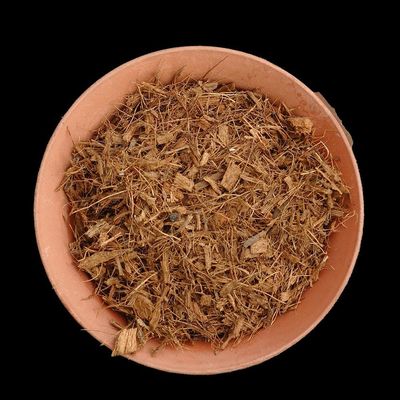
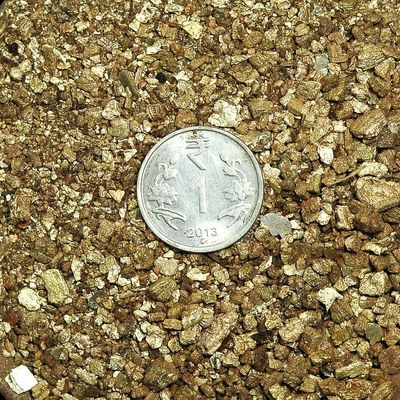
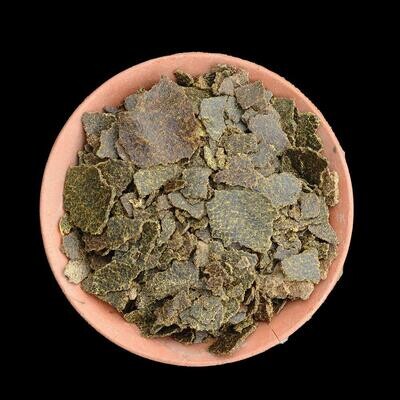
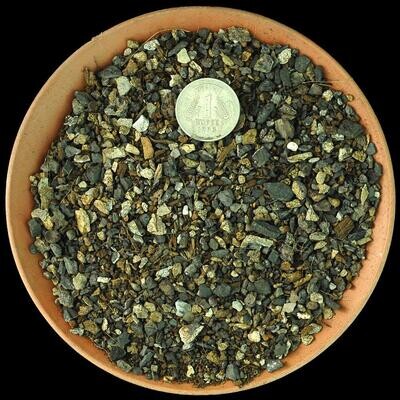
- Substrate: Requires a strictly mineral-based, gritty mix. Use a ratio of 70% inorganic material (pumice, perlite, or crushed brick) to 30% organic compost.
- Light: Thrives in bright, indirect sunlight. In the intense Indian summer, provide 30–50% shade cloth protection to prevent epidermal scorching, particularly during afternoon peaks.
- Water/Dormancy: Follow a "soak and dry" method during the growing season (March–October). Withhold water almost entirely during the winter dormancy period or during the peak of the Indian monsoon to prevent root rot caused by high atmospheric humidity.
- Scientific/Historical Anecdote: The genus Mammillaria is one of the largest in the Cactaceae family, but M. polythele is scientifically notable for its extreme morphological variability. It was one of the primary species used by early 20th-century botanists to study phyllotaxis—the mathematical arrangement of lateral organs—due to the near-perfect Fibonacci spiraling visible in its tubercle alignment.