

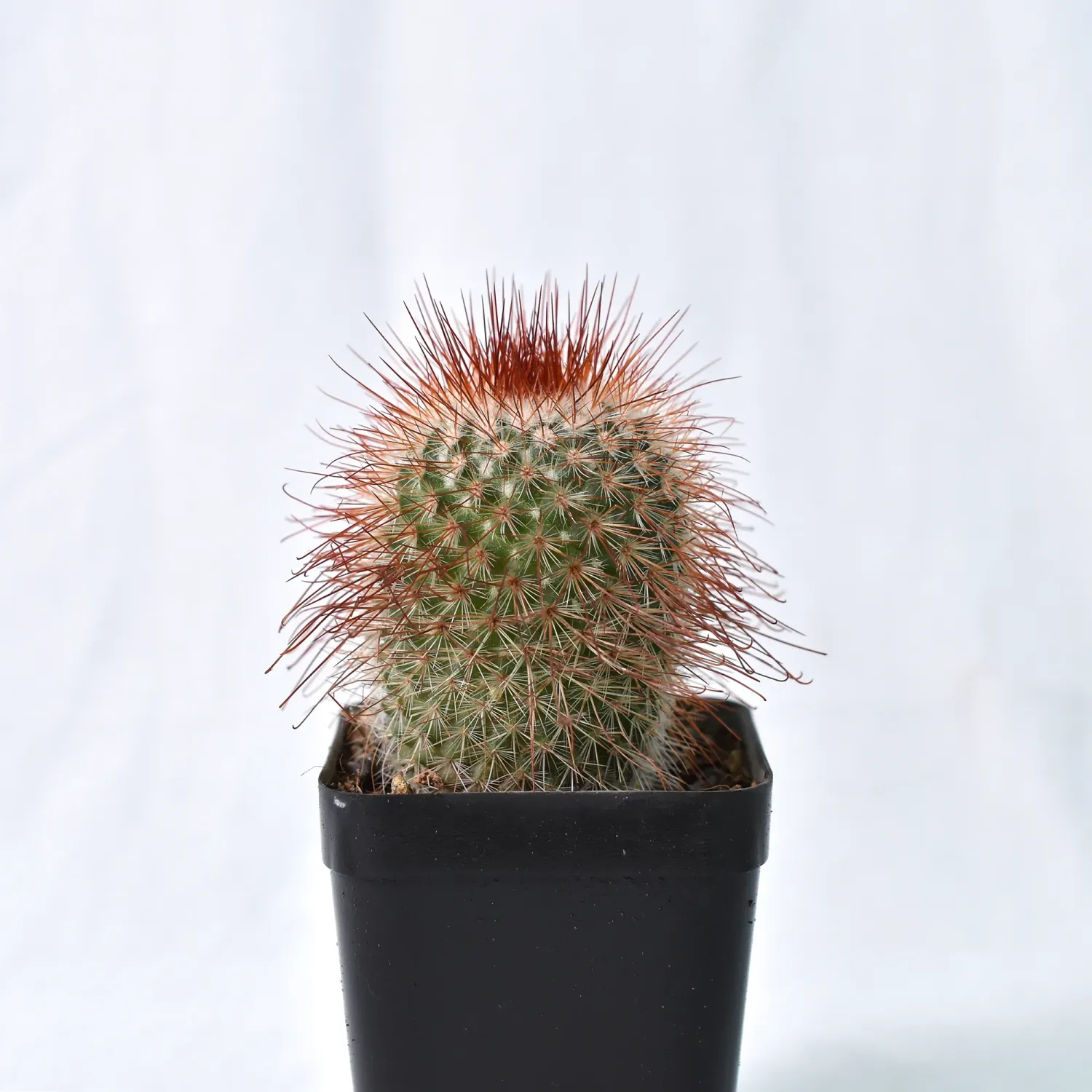
Mammillaria pringlei
Product Details
Golden Spines: Mammillaria pringlei
A radiant architectural masterpiece, this cactus is prized for its dense, metallic-gold spination that glows under direct sunlight.
- Origin & History of Name: The genus name Mammillaria derives from the Latin mammilla, meaning "nipple" or "teat," referring to the plant’s characteristic tubercle structure.
The specific epithet pringlei honors Cyrus Guernsey Pringle (1848–1911), a prolific American botanist who collected thousands of specimens across Mexico in the late 19th century. - Morphology: This species is a globose to short-cylindrical cactus featuring a green epidermis almost entirely obscured by 15–20 radiating, recurved golden spines. Unlike many cacti, it lacks traditional costae (ribs), instead organizing its surface into spiraling tubercles. In maturity, it produces a "ring" of deep pink to red flowers near the apex.
- Habitat & Origin: Mammillaria pringlei is a wild species native to the high-altitude volcanic mountains of Central Mexico, specifically in states like Jalisco and Michoacán. These specimens are produced through sustainable nursery cultivation to protect wild populations from over-harvesting.
- Cultivation Profile:
- Substrate: Use a strictly mineral-based mix (50% coarse sand/pumice, 25% grit, 25% organic matter) to prevent root rot in humid Indian climates.
- Light: Requires full sun to bright indirect light. In North India, provide slight afternoon shade during peak May-June heat; in South/Coastal India, maximize exposure.
- Water/Dormancy: Water deeply only when the substrate is bone-dry. During the winter dormancy (November–February), withhold water almost entirely to mimic its natural dry season and encourage spring blooming.
- Scientific/Historical Anecdote: Members of the Mammillaria genus are unique because they possess two distinct types of areoles (growth points): one at the tip of the tubercle for spines, and another at the base (the axil) for flowers and offsets. This evolutionary trait ensures that delicate floral tissues remain protected by the dense spine cover of the tubercle above.
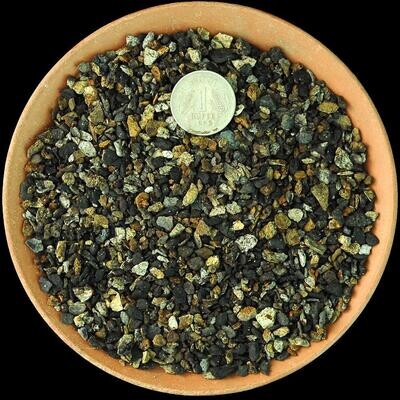
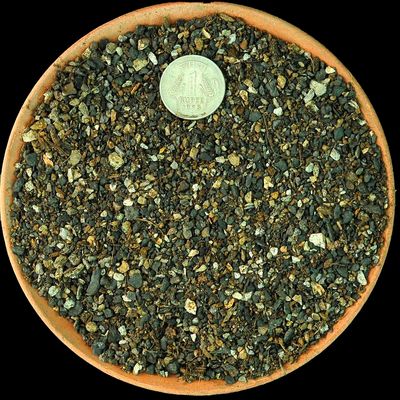
Cactus & Succulent Planting Mix COARSE (aka Cactus Soil Mix or Succulent Soil Mix)
Cactus & Succulent Planting Mix COARSE (aka Cactus Soil Mix or Succulent Soil Mix)
Washed, Free-Draining Mineral Mix for Cactus & Succulents
SKU MNS003
₹44.85
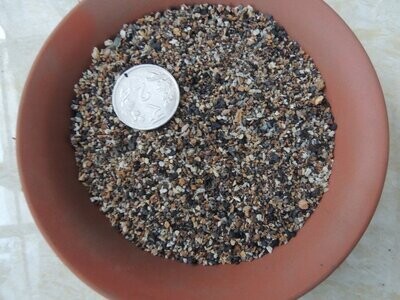
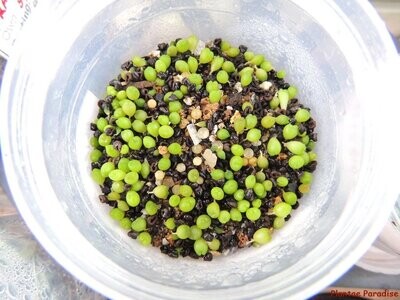
Cactus Seed Planting Mix
Cactus Seed Planting Mix
Sterile, Fine-Grain Media for Cactus & Succulent Seeds
SKU MNS005
₹74.85
New
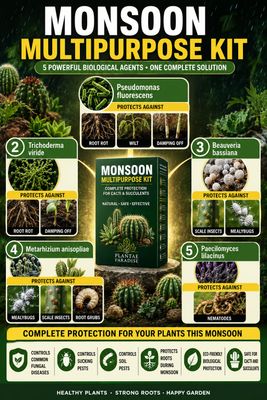
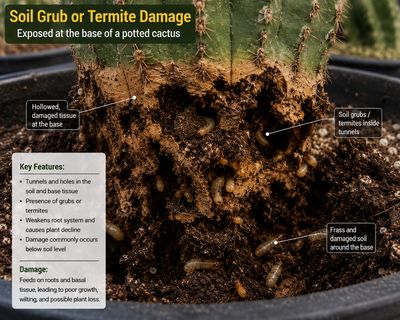
Monsoon Guardian Kit (5 in 1)
Monsoon Guardian Kit (5 in 1)
Complete 5-in-1 biological protection kit for cacti & succulents
SKU MNS024
₹850.00