

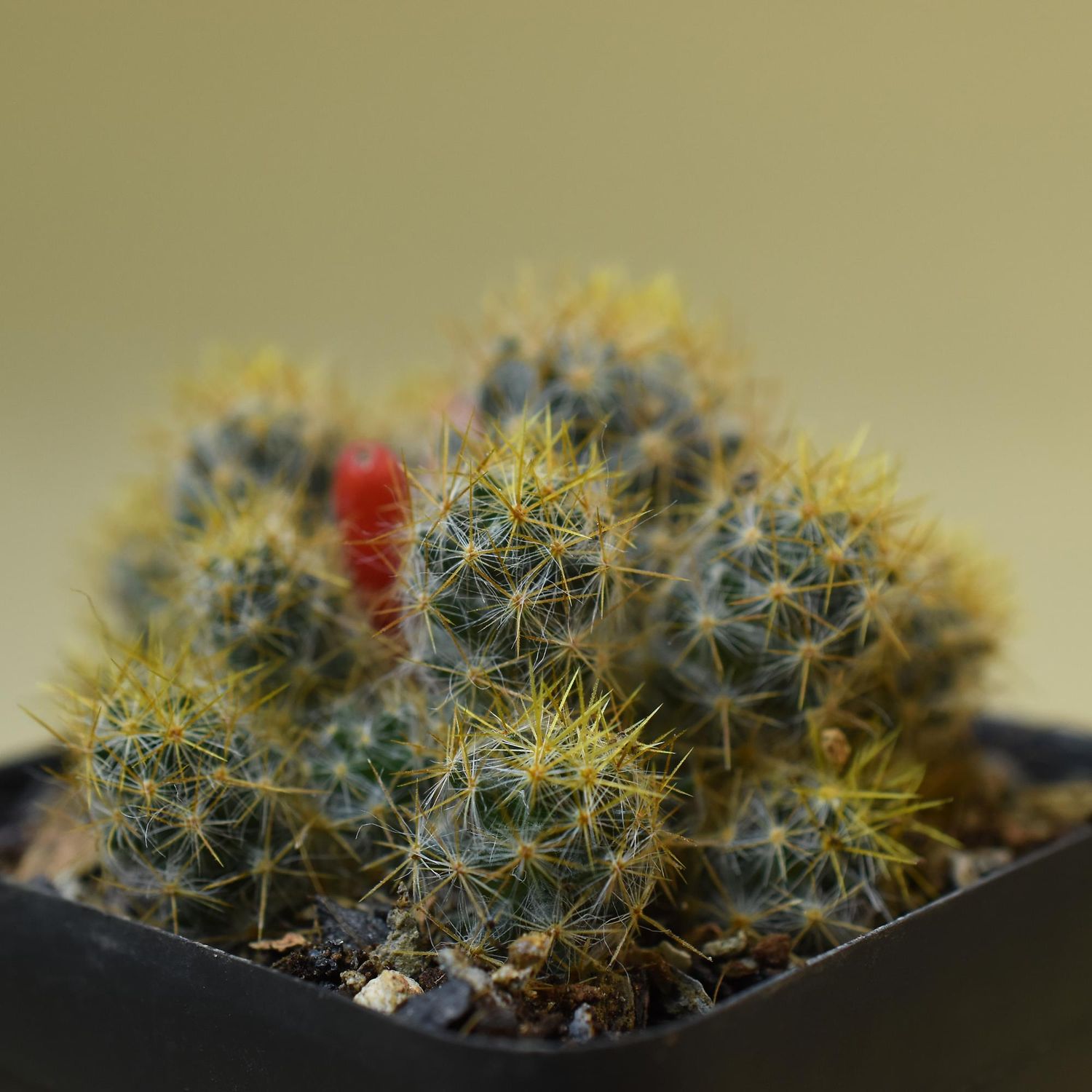
Mammillaria Prolifera (Golden Spines)
Product Details
Gilded Cluster: Mammillaria prolifera (Golden Spines)
A resilient, fast-clumping favorite that transforms any collection with a shimmering crown of golden-yellow needles.
- Origin & History of Name: The genus name Mammillaria comes from the Latin mammilla, meaning "nipple" or "teat," referring to the tubercle structures that characterize these cacti.
The specific epithet prolifera is Latin for "bearing offspring," a nod to the plant's aggressive clumping habit. The "Golden Spines" designation identifies the specific yellow-spined variety first formally described by botanists like Philip Miller in the 18th century. - Morphology: This species forms dense mats of globose or cylindrical stems.
Its epidermis is obscured by a dense interlacing of radial spines. Instead of traditional ribs (costae), it features soft, conical tubercles. The "Golden Spines" variant is distinguished by its bright yellow to amber central spines, which contrast sharply against the smaller, hair-like white radial spines and the tiny, creamy flowers that emerge from the axils. - Habitat & Origin: This is a wild species native to the Caribbean (Cuba, Hispaniola) and parts of Mexico and Texas. It is one of the few cacti that naturally colonizes diverse altitudes, from coastal scrub to pine forests. All our specimens are ethically nursery-propagated via offset division, ensuring 100% sustainability and zero wild poaching.
- Cultivation Profile:
- Substrate: Use a porous mineral-based mix (e.g., 60% crushed brick or pumice and 40% coarse sand/compost).
- Light: Thrives in full sun to partial shade.
In the Indian subcontinent, morning sun is ideal; provide bright shade during the peak heat of North Indian summer afternoons to maintain the spine color. - Water/Dormancy: Water moderately during the growing season (March–October). In the Indian monsoon, protect from heavy rain to avoid humidity-induced rot. During winter dormancy, keep almost entirely dry to encourage spring flowering.
- Scientific/Historical Anecdote: Mammillaria prolifera is famous in the botanical community for its edible, "berry-like" fruits.
Often called "Texas Nipple Cactus," it was one of the earliest cacti introduced to European greenhouses in the 1700s because of its incredible hardiness and ability to survive long sea voyages without water, making it a pioneer species in global succulent trade.
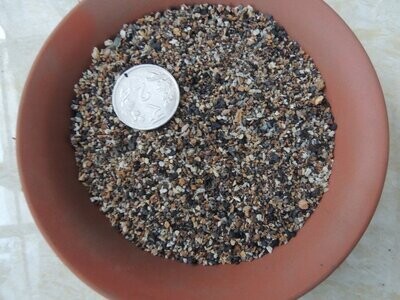
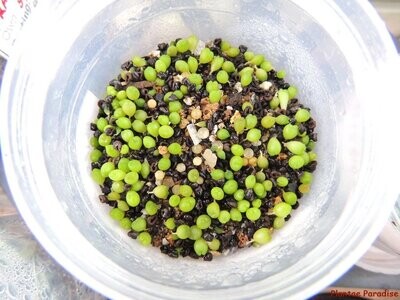
Cactus Seed Planting Mix
Cactus Seed Planting Mix
Sterile, Fine-Grain Media for Cactus & Succulent Seeds
SKU MNS005
₹74.85
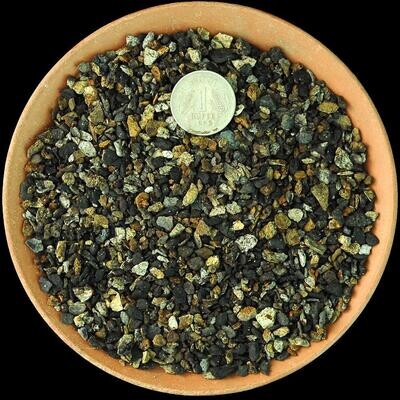
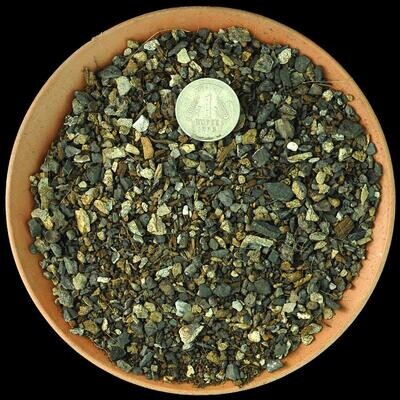
Cactus & Succulent Planting Mix COARSE (aka Cactus Soil Mix or Succulent Soil Mix)
Cactus & Succulent Planting Mix COARSE (aka Cactus Soil Mix or Succulent Soil Mix)
Washed, Free-Draining Mineral Mix for Cactus & Succulents
SKU MNS003
₹44.85
New


Monsoon Guardian Kit (5 in 1)
Monsoon Guardian Kit (5 in 1)
Complete 5-in-1 biological protection kit for cacti & succulents
SKU MNS024
₹850.00