

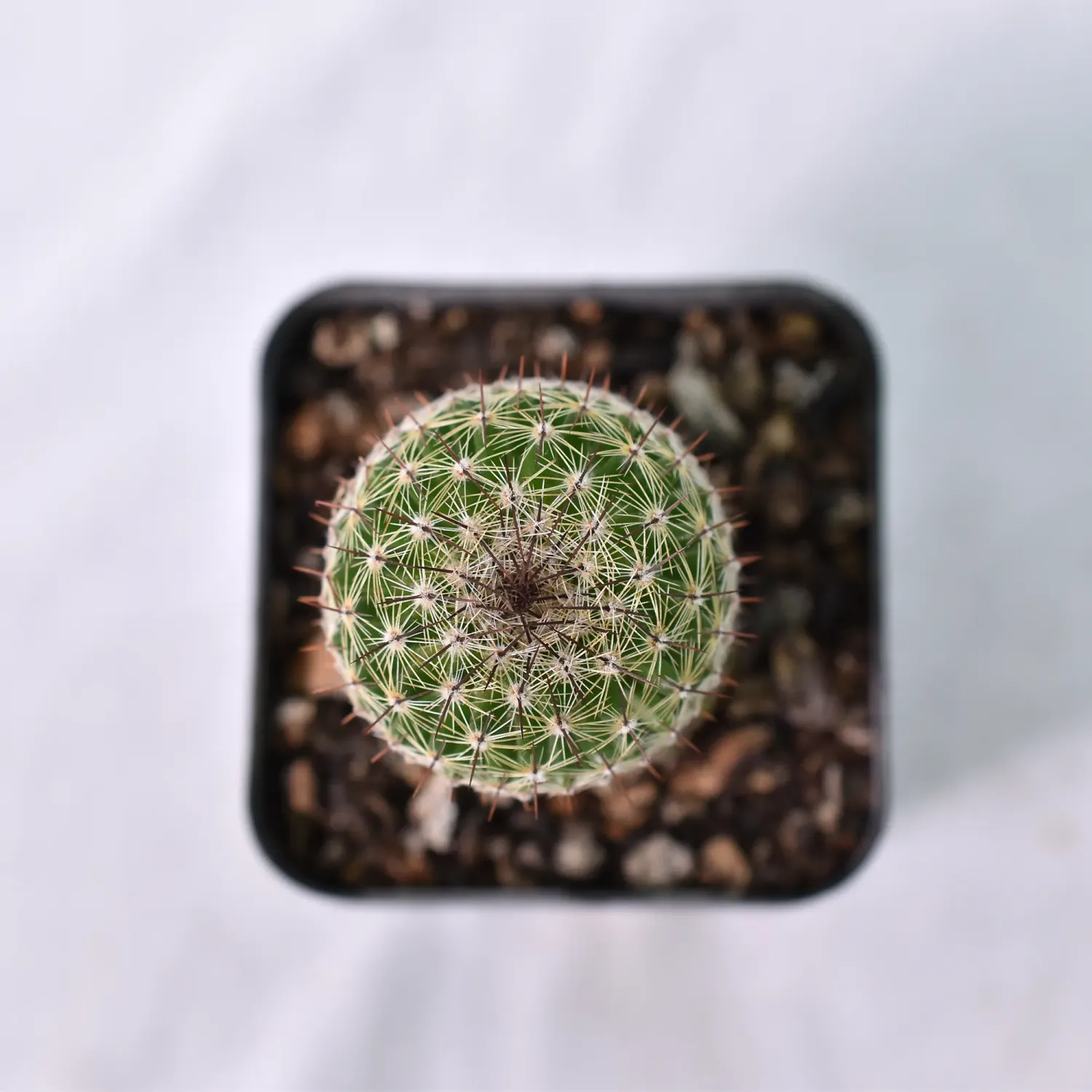
Mammillaria pseudoperbella
Product Details
Symmetric Perfection: Mammillaria pseudoperbella
An architectural masterpiece of the Chihuahuan Desert, prized for its exceptionally dense spination and geometric precision.
- Origin & History of Name: The genus name Mammillaria is derived from the Latin mammilla, meaning "nipple" or "teat," referring to the plant's characteristic tubercles.
- Morphology: This species is characterized by a globose to cylindrical epidermis that often undergoes dichotomous branching, meaning the growing point splits to form two identical heads. It features tight, pyramidal tubercles topped with short, white radial spines and 2–4 dark-tipped central spines, creating a felted, greyish appearance.
- Habitat & Origin: This is a wild species native to the high-altitude volcanic soils of Hidalgo and Querétaro, Mexico. Our specimens are nursery-propagated from seed to ensure the protection of wild populations and adhere to CITES sustainability standards.
- Cultivation Profile:
- Substrate: Use a strictly mineral-based mix (50% volcanic pumice or crushed brick, 25% coarse river sand, 25% organic compost). Avoid standard garden soil which retains too much moisture in Indian humidity.
- Light: Requires bright, filtered sunlight. In the Indian subcontinent, provide 4–6 hours of morning sun, but use a 50% shade net during peak summer afternoons to prevent epidermal scorching.
- Water/Dormancy: Water thoroughly only when the substrate is bone-dry. During the monsoon, keep the plant completely dry to prevent fungal rot. Reduce watering significantly from November to February to respect its natural dormancy.
- Scientific/Historical Anecdote: Unlike most plants that grow from a single central point, Mammillaria pseudoperbella is famous for its "head-splitting" growth habit. This rare botanical phenomenon, known as dichotomy, results in the plant perfectly dividing its apical meristem into two, eventually creating large, multi-headed mounds that look like a cluster of identical twins.
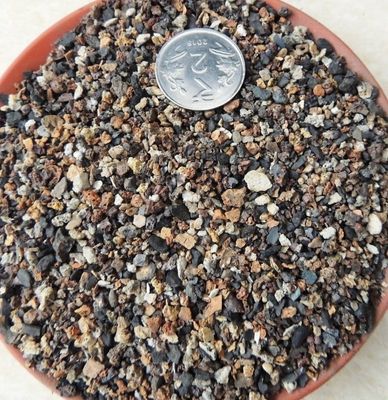
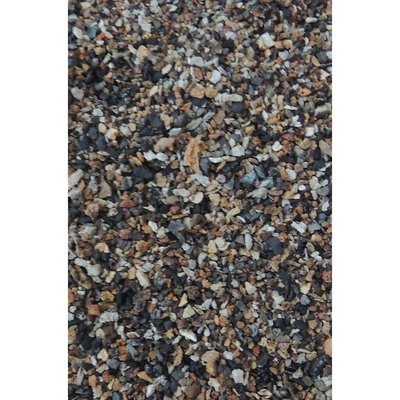
Cactus & Succulent Planting Mix FINE (aka Cactus Soil Mix or Succulent Soil Mix)
Cactus & Succulent Planting Mix FINE (aka Cactus Soil Mix or Succulent Soil Mix)
Fine-Grain Potting Mix for Cactus & Succulent Roots
SKU MNS001
₹39.85
New

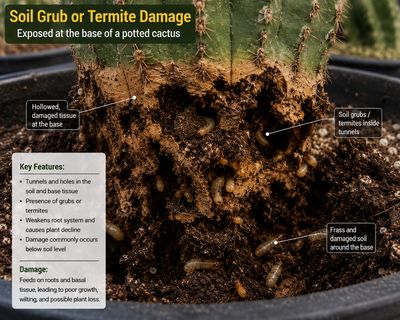
Monsoon Guardian Kit (5 in 1)
Monsoon Guardian Kit (5 in 1)
Complete 5-in-1 biological protection kit for cacti & succulents
SKU MNS024
₹850.00
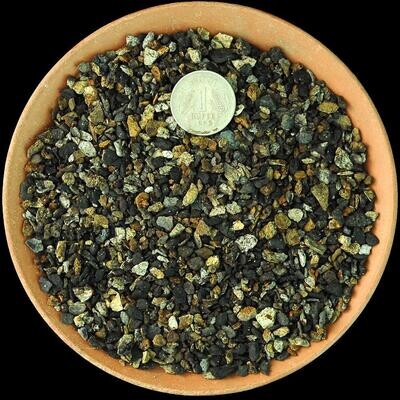
Cactus & Succulent Planting Mix COARSE (aka Cactus Soil Mix or Succulent Soil Mix)
Cactus & Succulent Planting Mix COARSE (aka Cactus Soil Mix or Succulent Soil Mix)
Washed, Free-Draining Mineral Mix for Cactus & Succulents
SKU MNS003
₹44.85
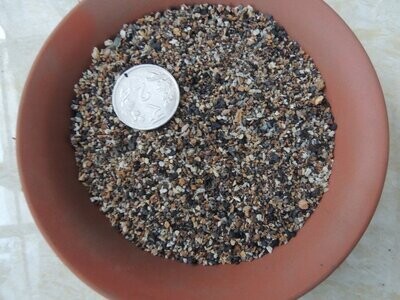
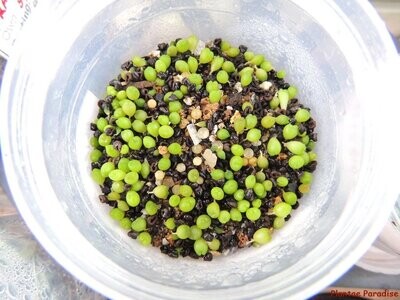
Cactus Seed Planting Mix
Cactus Seed Planting Mix
Sterile, Fine-Grain Media for Cactus & Succulent Seeds
SKU MNS005
₹74.85