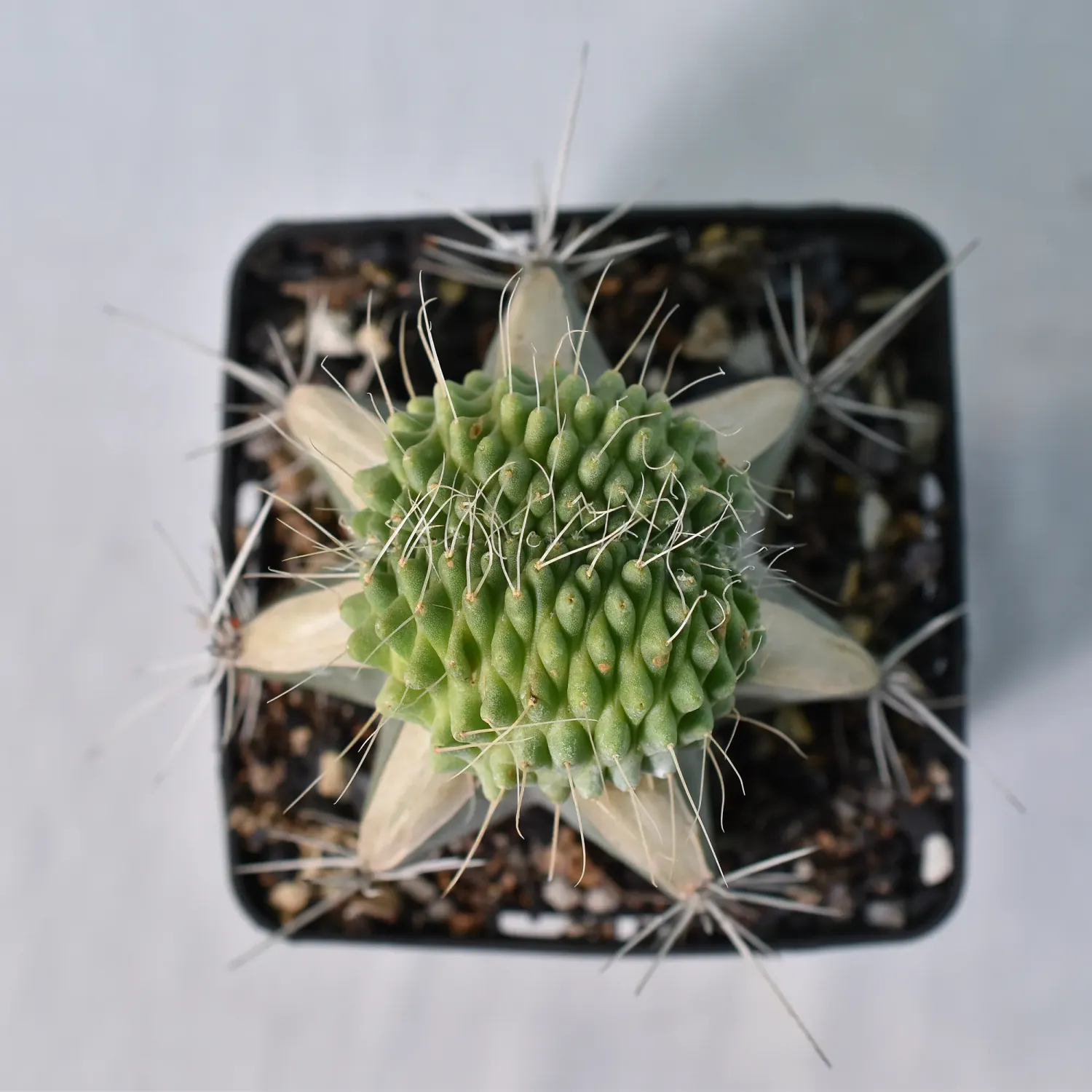
Crested form of Mammillaria spinosissima cv. Un Pico.
Origin of Name
The genus name "Mammillaria" comes from the Latin word 'mammilla', meaning nipple, referring to the nipple-like tubercles from which the plant's spines emerge. "Spinosissima" is derived from Latin, meaning "very spiny", highlighting the plant's dense spination. The cultivar name 'Un Pico' suggests a characteristic of having a single spine or a notable feature of the spines, while 'Cristate' refers to the crested or cristation mutation, where normal apical growth is altered, causing the plant to grow in a fan-shaped or wavy form rather than the typical spherical or cylindrical shape.
Technical Description of Plant
Mammillaria spinosissima cv. 'Un Pico Cristate' exhibits a dramatic crested form, with the stem expanding laterally in a wave-like pattern. This mutation creates a broad, fan-shaped growth, which is densely covered in spines. The 'Un Pico' aspect refers to the notable characteristic of its spines, possibly suggesting a unique arrangement or number compared to the typical Mammillaria spinosissima. The spines range from red to pink, adding a colorful contrast to the green stem. Flowers, when produced, are small and pink, emerging from the tubercles in spring.
Origin of Plant
Mammillaria spinosissima is native to Mexico, adapted to rocky and arid environments. The 'Un Pico Cristate' cultivar has been selectively bred or occurred as a natural mutation, enhancing its crested form and distinctive spination for ornamental purposes.
Conservation Status
As a specific cultivar, Mammillaria spinosissima cv. 'Un Pico Cristate' does not have a conservation status. The wild species, Mammillaria spinosissima, is not listed as endangered, but habitat destruction and illegal collection could pose threats. Cultivation of this cultivar contributes to the conservation of the species by reducing the demand for wild-collected specimens.
Care Instructions
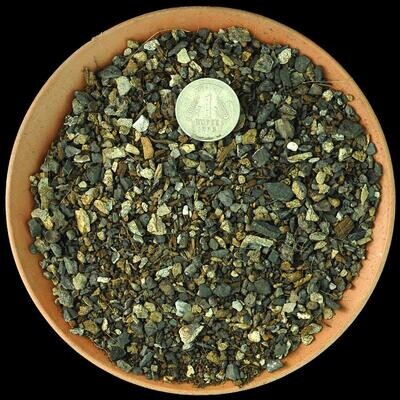
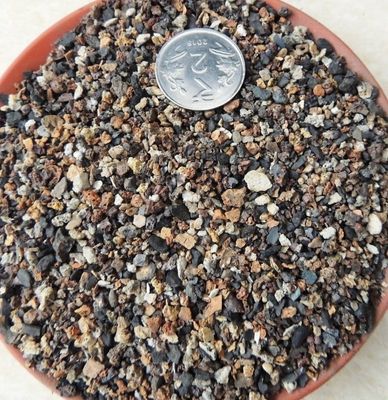
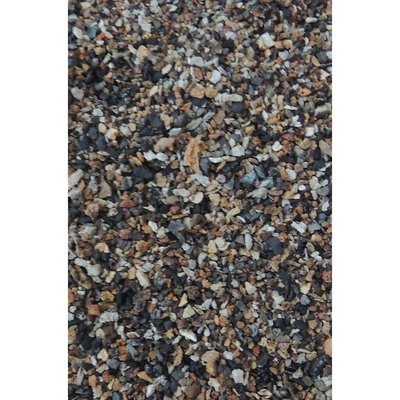
Mammillaria spinosissima cv. 'Un Pico Cristate' requires well-draining soil and full to partial sunlight exposure. Water moderately during the growing season, allowing the soil to dry completely between waterings, and reduce watering in the winter to prevent root rot. This plant is not frost-tolerant and should be protected from freezing temperatures. Handle with care to avoid damage to the crest and to prevent injury from the spines.