

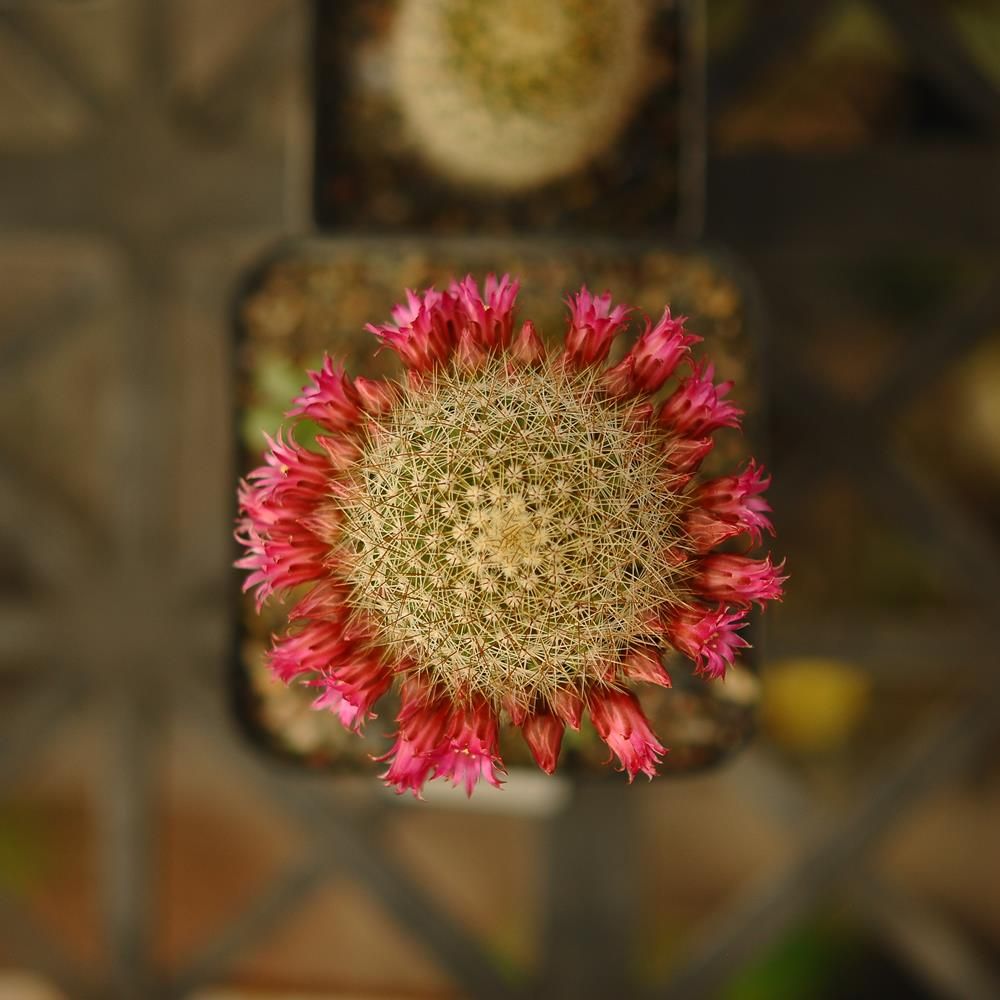
Mammillaria Spinosissima (Spiny Pincushion Cactus)
Product Details
Radiant Red Spines: Mammillaria Spinosissima
A desert masterpiece defined by its dense halo of copper-red spines and perfectly cylindrical form.
- Origin & History of Name: The genus name Mammillaria is derived from the Latin mammilla, meaning "nipple" or "teat," referring to the distinct tubercle structures that cover the plant's body. The specific epithet spinosissima is the superlative form of the Latin spinosus, translating to "most thorny." It was first formally described by German botanist Karl Moritz Schumann in the late 19th century, highlighting its remarkably high spine count compared to its relatives.
- Morphology: This cactus features a cylindrical epidermis that grows upright, eventually reaching up to 30cm. Unlike ribbed cacti, it is covered in organized tubercles (nodules) instead of costae (ribs). Each areole (growth point) produces a dense cluster of bristly radial spines and sturdier central spines, often appearing in shades of deep red or yellow. During its blooming season, it produces a "crown" of small, funnel-shaped purplish-pink flowers that emerge from the previous year's growth.
- Habitat & Origin: This is a wild species endemic to the central Mexican states of Guerrero and Morelos, typically found growing in tropical deciduous forests at elevations between 1,600 and 1,900 meters. Our specimens are nursery-grown via sustainable propagation practices to prevent the illegal poaching of wild populations, ensuring the conservation of the species in its native habitat.
- Cultivation Profile:
- Substrate: Use a strictly mineral-based, gritty mix. A ratio of 70% inorganic material (pumice, perlite, or crushed brick) to 30% organic compost is ideal for preventing root rot in humid Indian climates.
- Light: Requires bright, direct sunlight for at least 6 hours daily. In peak Indian summers (April–June), provide 30-50% shade cloth protection to prevent epidermal scorching.
- Water/Dormancy: Water thoroughly only when the medium is bone-dry. During the monsoon, protect from rain to avoid fungal issues. Reduce watering significantly in winter (November–January) to respect its natural dormancy and trigger spring flowering.
- Scientific/Historical Anecdote: The Mammillaria genus is one of the largest in the Cactaceae family, but M. spinosissima holds a special place in botanical history for its "Un Pico" cultivar. While the wild species is defined by its "most thorny" nature, a rare genetic mutation led to a variety with only one spine per areole, demonstrating the incredible morphological plasticity of this species under different environmental pressures.
New
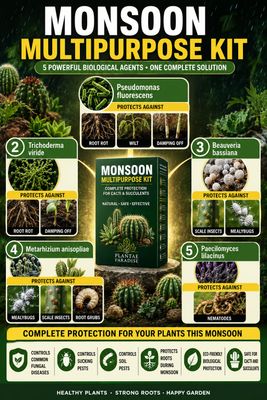
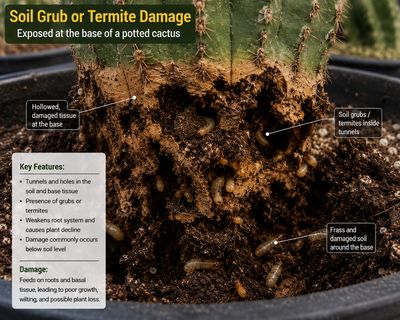
Monsoon Guardian Kit (5 in 1)
Monsoon Guardian Kit (5 in 1)
Complete 5-in-1 biological protection kit for cacti & succulents
SKU MNS024
₹850.00
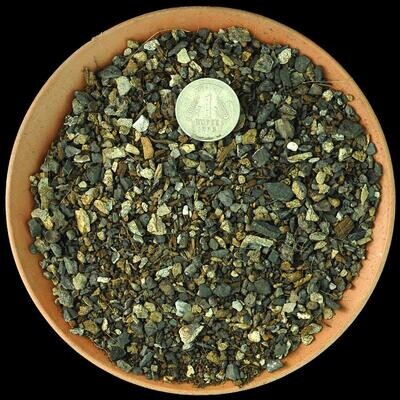

Cactus & Succulent Planting Mix COARSE (aka Cactus Soil Mix or Succulent Soil Mix)
Cactus & Succulent Planting Mix COARSE (aka Cactus Soil Mix or Succulent Soil Mix)
Washed, Free-Draining Mineral Mix for Cactus & Succulents
SKU MNS003
₹44.85
