

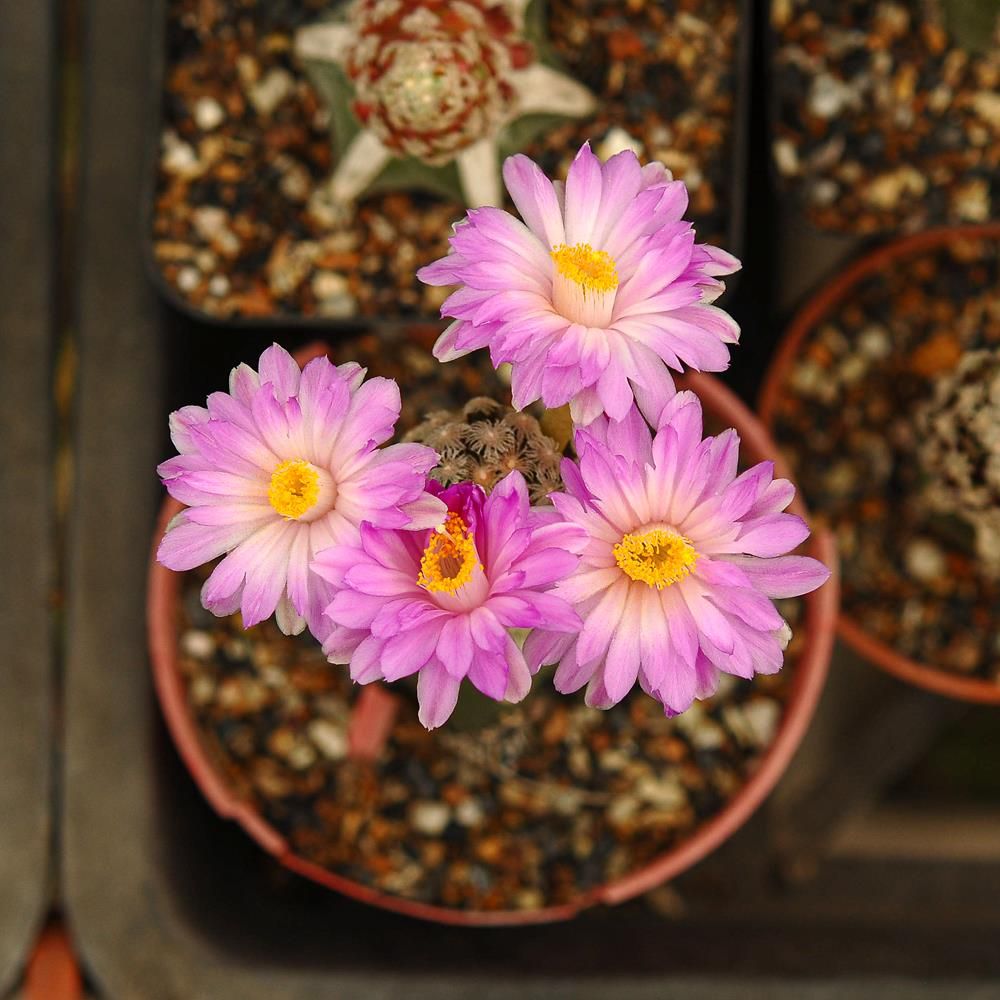
Mammillaria theresae Crest Grafted
Product Details
Architectural Rarety: Mammillaria theresae Crest
A sculptural masterpiece for the connoisseur, this crested form represents one of the most coveted mutations in the succulent world.
- Origin & History of Name The species name theresae honors Theresa Bock, who discovered the plant alongside her husband, John Bock, in 1967. The genus name Mammillaria is derived from the Latin mammilla, meaning "nipple" or "teat," referring to the tubercle-based structure of the plant body rather than continuous ribs.
- Morphology The Mammillaria theresae Crest exhibits a unique growth habit where the apical meristem (growth center) elongates laterally, creating a winding, brain-like fold. Its epidermis is a soft olive-green, densely covered in plumose (feathery) spines that emerge from the areoles. Unlike typical cacti, this species lacks traditional costae (ribs), instead utilizing a tuberculate structure that provides an intricate, velvet-like texture to the touch.
- Habitat & Origin While the type species is native to the rugged limestone slopes of the Coneto Mountains in Durango, Mexico, the "Crest" form is a rare cultivar maintained through specialized grafting or selective propagation. In line with CITES Appendix II regulations, our specimens are nursery-propagated to ensure the preservation of wild Mexican populations.
- Cultivation Profile
- Substrate: Requires a strictly mineral-based mix (70% grit/pumice/perlite and 30% organic matter) to ensure rapid drainage and prevent root rot.
- Light: Thrives in bright, indirect sunlight. In the Indian subcontinent, provide 40–50% shade during the intense peak summer months (April–June) to prevent epidermal scorching.
- Water/Dormancy: Follow a "soak and dry" method during the growing season. In the Indian monsoon, maintain strictly dry conditions. Observe a complete winter dormancy from December to February to mimic its high-altitude Mexican habitat.
- Scientific/Historical Anecdote Mammillaria theresae is renowned among botanists for its cryptocarpic nature.

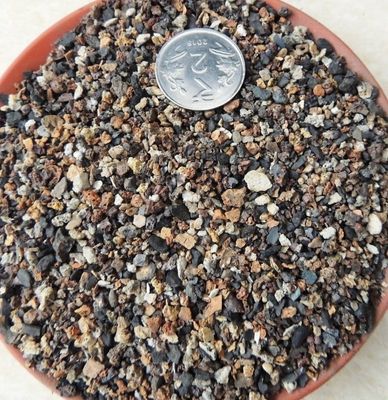
Cactus & Succulent Planting Mix FINE (aka Cactus Soil Mix or Succulent Soil Mix)
Cactus & Succulent Planting Mix FINE (aka Cactus Soil Mix or Succulent Soil Mix)
Fine-Grain Potting Mix for Cactus & Succulent Roots
SKU MNS001
₹35.51
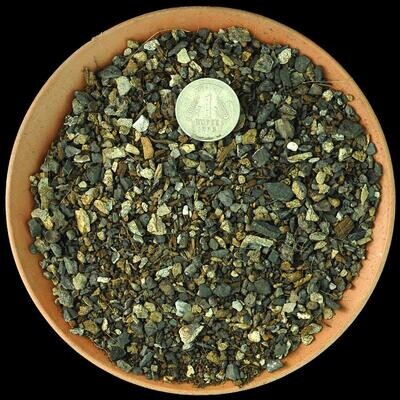

Cactus & Succulent Planting Mix COARSE (aka Cactus Soil Mix or Succulent Soil Mix)
Cactus & Succulent Planting Mix COARSE (aka Cactus Soil Mix or Succulent Soil Mix)
Washed, Free-Draining Mineral Mix for Cactus & Succulents
SKU MNS003
₹40.51