

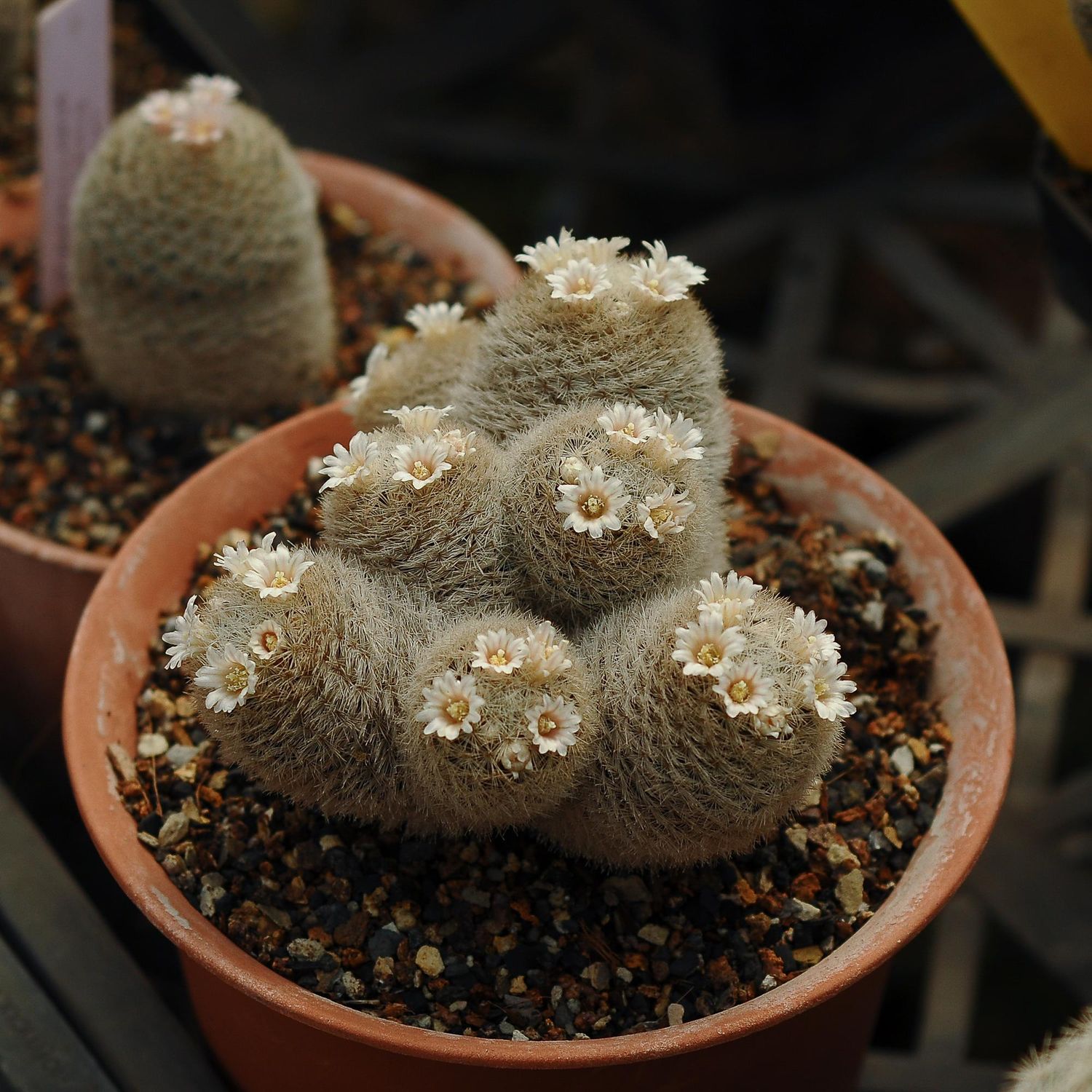
Mammillaria viescensis Torreon
Product Details
Chihuahuan Gem: Mammillaria viescensis 'Torreon'
An exquisite collector’s rarity featuring a dense, frosted geometry that defines high-end xeric displays.
- Origin & History of Name: The genus name Mammillaria is derived from the Latin mammilla (nipple or teat), referring to the characteristic tubercle structures.
- Morphology: This species features a globose to cylindrical epidermis densely shrouded by radial spines that interlock to create a "bird's nest" or frosted appearance. Unlike some cacti with continuous costae (ribs), it utilizes distinct, non-milky tubercles. It is prized for its symmetrical growth habit and small, creamy-pink flowers that emerge in a ring near the apex.
- Habitat & Origin: This is a wild species native to the limestone hills of the Chihuahuan Desert, specifically the Coahuila region of Mexico. Our specimens are exclusively nursery-grown from seed to ensure the protection of wild populations and adhere to sustainable horticultural practices.
- Cultivation Profile:
- Substrate: A strictly mineral-based mix is essential. Use 70% inorganic material (pudding stone, coarse sand, perlite, or crushed brick) and 30% organic compost.
- Light: Requires bright, indirect light or 4–6 hours of morning sun. In the Indian summer, provide green shade netting (50%) to prevent epidermal scorching during peak afternoon heat.
- Water/Dormancy: Follow a "soak and dry" method. During the Indian monsoon, withhold water entirely if humidity exceeds 80%. Provide a dry dormancy from December to February to encourage spring blooming.
- Scientific/Historical Anecdote: Many species in the Mammillaria genus were first described by Adrian Hardy Haworth in the early 19th century.

Cactus Seed Planting Mix
Cactus Seed Planting Mix
Sterile, Fine-Grain Media for Cactus & Succulent Seeds
SKU MNS005
₹70.51
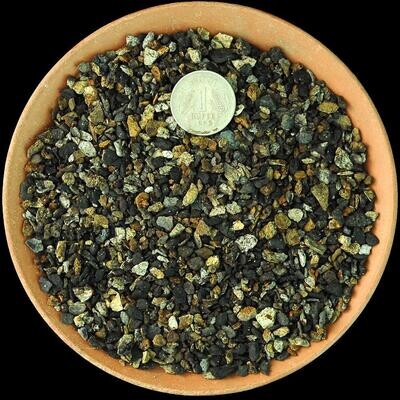
Cactus & Succulent Planting Mix COARSE (aka Cactus Soil Mix or Succulent Soil Mix)
Cactus & Succulent Planting Mix COARSE (aka Cactus Soil Mix or Succulent Soil Mix)
Washed, Free-Draining Mineral Mix for Cactus & Succulents
SKU MNS003
₹40.51
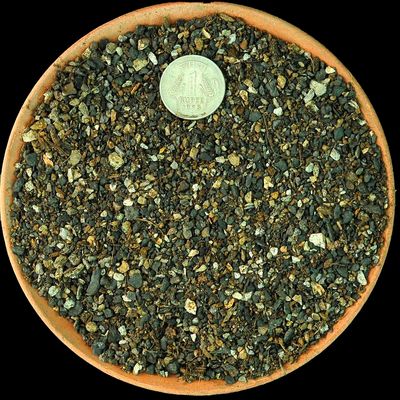
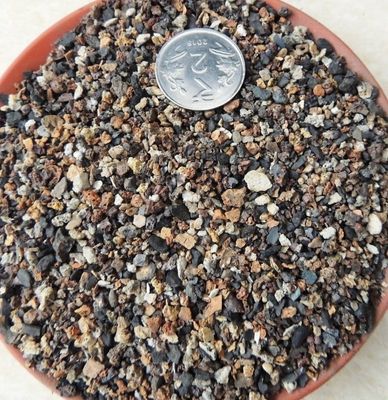
Cactus & Succulent Planting Mix FINE (aka Cactus Soil Mix or Succulent Soil Mix)
Cactus & Succulent Planting Mix FINE (aka Cactus Soil Mix or Succulent Soil Mix)
Fine-Grain Potting Mix for Cactus & Succulent Roots
SKU MNS001
₹35.51