Unleash the Fire: Mangave 'Desert Dragon'
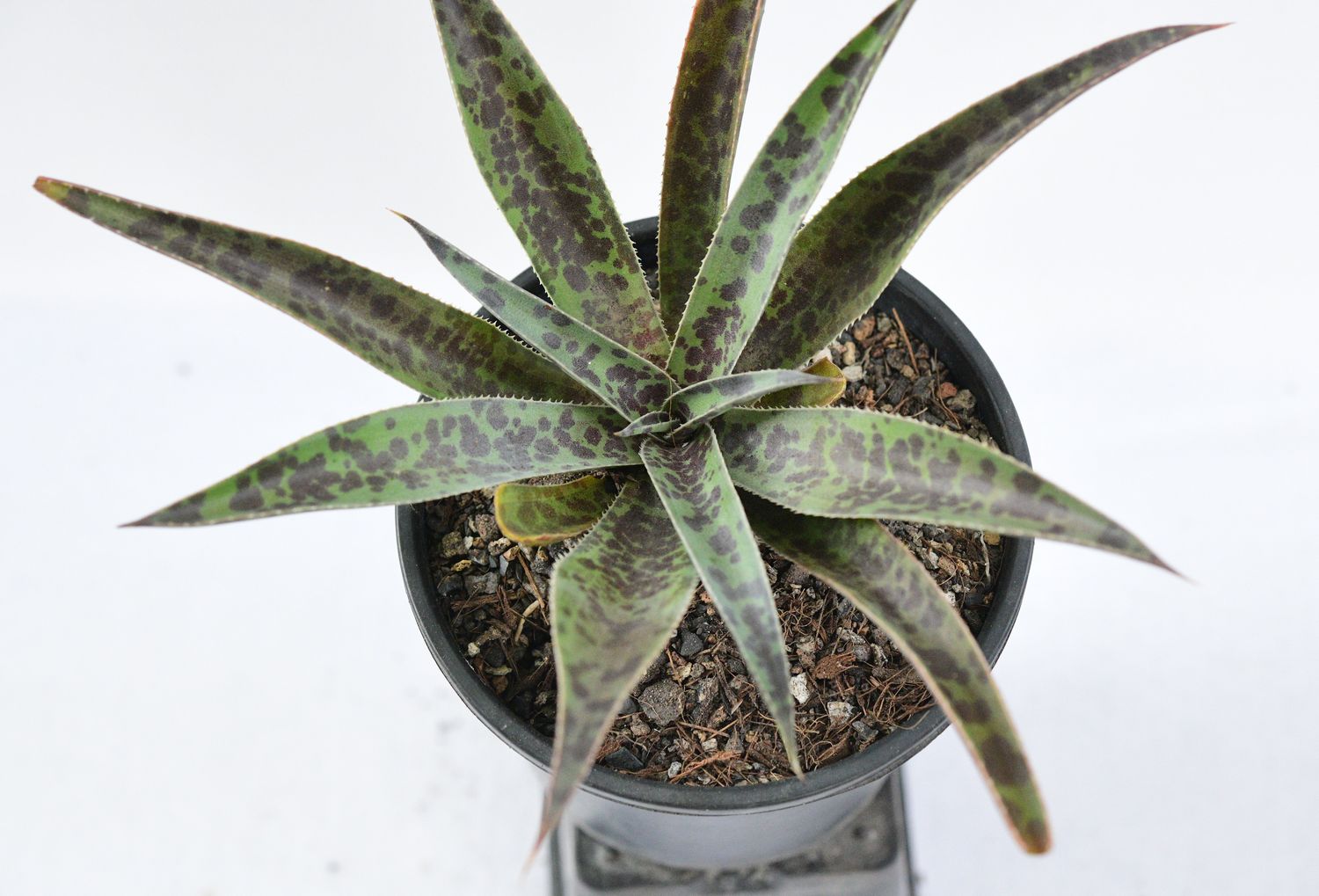
A ground-hugging masterpiece that mimics the scales of a mythical beast with its wavy, mint-green leaves and intense purple spotting.
1. Origin & History of Name
The name 'Mangave' is a portmanteau of its parent genera, Manfreda and Agave.
2. Morphology
This plant features a low, arching rosette of lanceolate leaves that appear to writhe along the ground.
3. Habitat & Origin
'Desert Dragon' is a cultivar and does not exist in the wild; it was developed specifically for the horticultural trade through careful hybridization. Because it is nursery-produced via tissue culture, its acquisition is highly sustainable and puts no pressure on wild populations of Agave or Manfreda.
4. Cultivation Profile
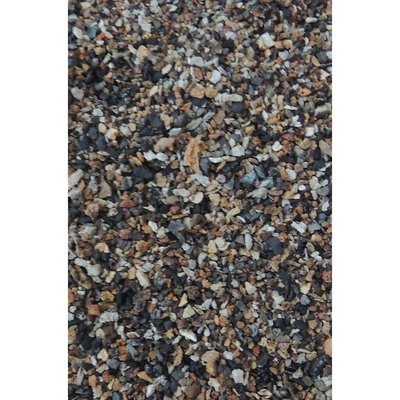
- Substrate: Requires a highly porous, mineral-rich mix. Use 50% inorganic material (pumice, perlite, or gravel) and 50% potting soil. In high-humidity Indian regions, increase grit to 70% to prevent root rot.
- Light: Thrives in full sun. In the Indian subcontinent, expose it to direct sunlight to maintain the vivid purple spotting; shade will cause the spots to fade to green.
- Water/Dormancy: Employ the "soak and dry" method. Water thoroughly when the soil is bone dry.
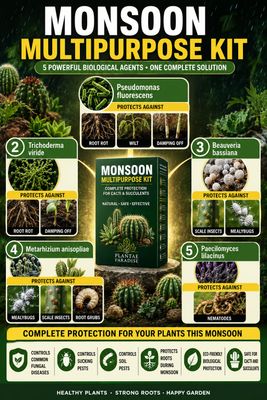
- Monsoon Warning: Strictly limit watering during the Indian monsoon; protect from continuous rain to avoid fungal issues.
- Winter: Keep largely dry during cooler months as growth slows.
5. Scientific/Historical Anecdote
The entire genus of Mangave owes its commercial existence to a "happy accident." The first recognized hybrid, 'Macho Mocha', was discovered in a batch of wild-collected Manfreda seeds from Mexico that had been unintentionally pollinated by a nearby Agave celsii.