1. Origin of Name
The Maple Ivy Plant is scientifically known as Acer cissifolium. The genus "Acer" is Latin for "maple," reflecting its close relation to traditional maples, characterized by its distinctive leaf shape. The species name "cissifolium" combines Latin roots where "ciss-" refers to "V-shaped" or "cut" and "folium" means "leaf", describing its deeply lobed, ivy-like foliage. The name "Maple Ivy" highlights its beautiful, ivy-like trailing habit combined with its maple leaf resemblance. This plant was first discovered in the mountain forests of Japan and China, and its elegant foliage quickly made it a favorite among ornamental and bonsai enthusiasts.
2. Origin of Plant
Acer cissifolium is native to the cool, temperate forests of Japan and eastern China. It thrives in mountain woodland environments with well-drained, slightly acidic soils and a climate that supports its deciduous nature. Recognized since the 19th century, this species has been cultivated both as a grafted bonsai specimen and as an ornamental ground cover, appreciated for its delicate, ivy-like leaves and graceful growth habit.
3. Description
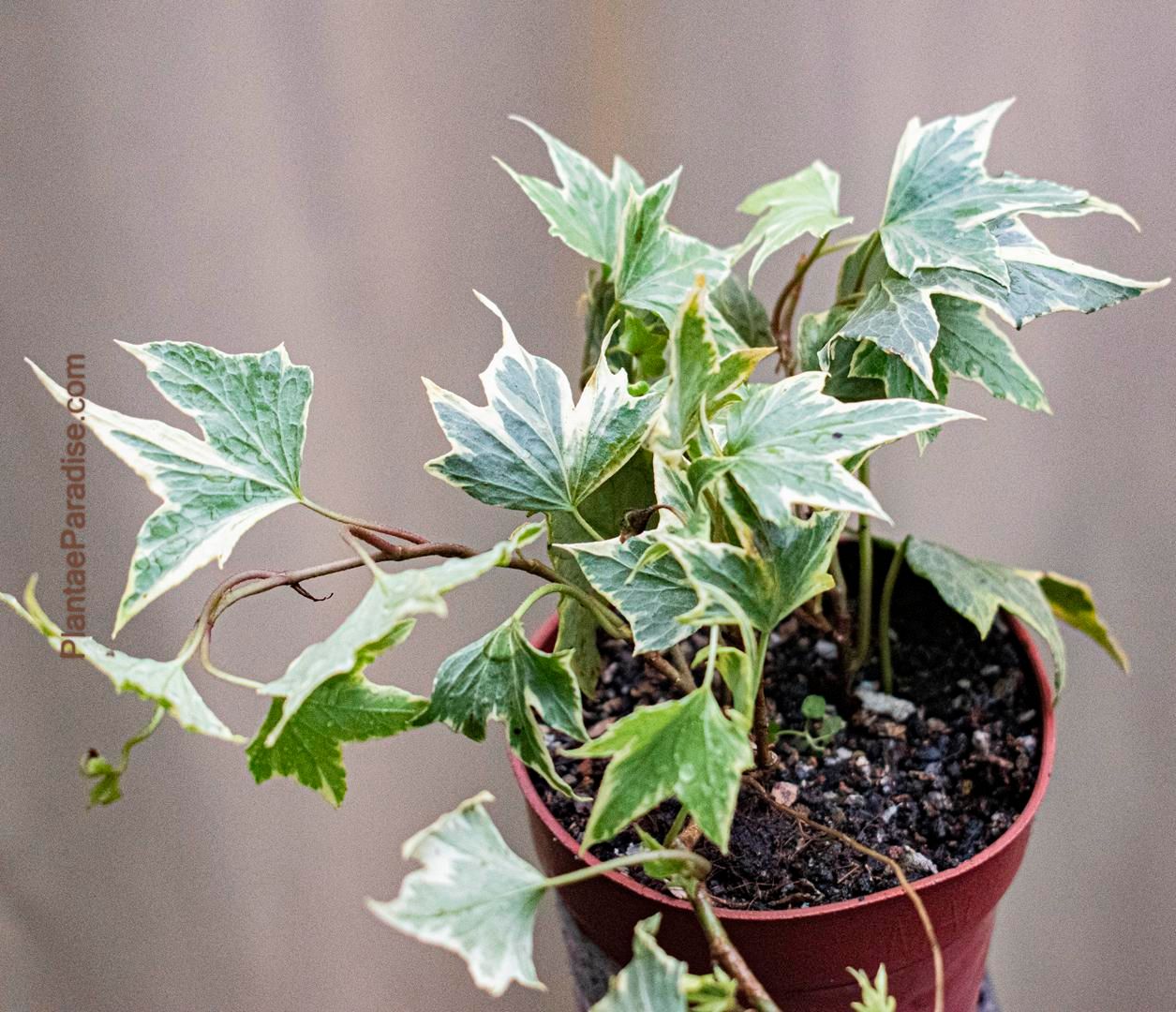
Maple Ivy Plant (Acer cissifolium) features a delicate, trailing or sprawling growth habit, making it perfect as a ground cover or container plant. Its leaves are deeply lobed, resembling miniature maple leaves, with a characteristic V-shape that often has multiple lobes—giving it an elegant, ivy-like appearance. The foliage is bright green during spring and summer, turning vibrant shades of red, orange, or yellow in autumn, adding seasonal color to gardens and containers. The plant produces small, discreet flowers in late spring to early summer, and its fine, delicate stems add to its ornamental appeal.
4. Conservation Status
Acer cissifolium is not currently at risk in the wild and is widely cultivated in gardens, parks, and bonsai collections across the world. Responsible cultivation and propagation in nurseries help preserve its natural populations, especially in its native regions of Japan and China, where habitat conservation efforts are ongoing.
5. Care
Maple Ivy Plant prefers bright, indirect sunlight or partial shade. It thrives in well-draining soil that is rich in organic matter, such as a garden loam mixture or bonsai soil. Keep the soil consistently moist but not waterlogged, watering regularly during the growing season and reducing frequency in winter. It prefers cool to moderate temperatures between 50°F and 75°F (10°C - 24°C). Protect from frost, especially in colder climates, and mulch around the roots for winter protection. Fertilize during the active growing season with a balanced, slow-release fertilizer. Prune lightly to control shape and encourage bushier growth.
Interesting Fact
Acer cissifolium is celebrated for its stunning autumn foliage, which transforms into a fiery palette of reds, oranges, and yellows—the true essence of a seasonal display. Its delicate, ivy-like leaves and graceful habit make it a perfect plant for cascading over walls, in containers, or as a charming ground cover, adding natural elegance and a touch of Japanese mountain serenity to any garden or indoor space.
Add the Maple Ivy Plant to your plant collection and enjoy its seasonal color, delicate foliage, and graceful growth—a true jewel that combines the beauty of maples and ivy in one exquisite package!