

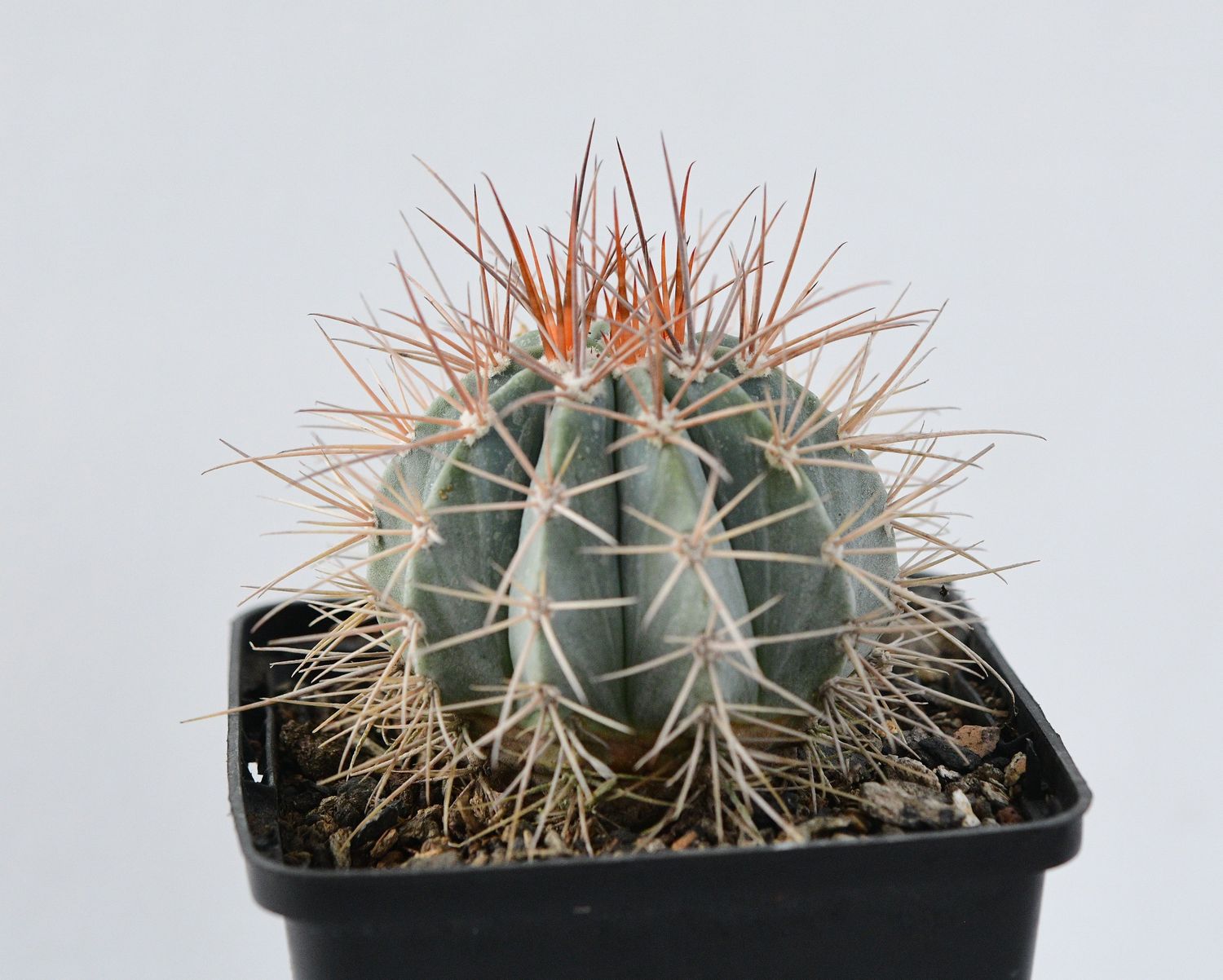
Melocactus azureus
Product Details
Cerulean Crown: Melocactus azureus
An iconic Brazilian treasure prized for its striking frosted-blue skin and the eventual development of a distinctive red cephalum.
- Origin & History of Name: The genus name Melocactus is a contraction of "melon-shaped cactus," a name popularized by early European explorers. The specific epithet azureus is Latin for "azure" or "sky-blue," directly referencing the intense glaucous hue of the plant's skin.
It was formally described in 1971 by botanists Buining and Brederoo, who recognized it as a distinct species within the unique "Turk's Cap" group. - Morphology: This cactus is famous for its vibrant blue epidermis, which is coated in a natural waxy bloom that protects it from the sun.
It features 9 to 10 sharp, vertical costae (ribs) lined with dark, rigid spines. Upon reaching maturity, the plant stops growing larger and develops a cephalum—a dense, bristly "cap" of red wool and bristles at the apex from which small pink flowers and pepper-like fruits emerge. - Habitat & Origin: This is a wild species native to the state of Bahia in Brazil.
It grows primarily on limestone outcrops and rocky areas within the Caatinga biome. Our specimens are ethically nursery-propagated from seed to ensure the protection of its vulnerable native habitat and to support sustainable trade for collectors. - Cultivation Profile:
- Substrate: Use a highly porous, mineral-rich mix (60% lava rock, pumice, or gravel and 40% coarse sand/loam). Unlike many cacti, Melocactus prefers a slightly more consistent mineral moisture but cannot tolerate "wet feet."
- Light: Requires full sun to bright, filtered light. In the Indian subcontinent, it thrives in direct morning sun but may need light shade during the extreme heat of North Indian May/June afternoons to maintain its blue color.
- Water/Dormancy: Water regularly during the growing season, allowing the mix to nearly dry out between sessions. Unlike most cacti, this tropical species does not want a completely dry winter; keep it warm (above 15°C) and provide light, occasional misting or sips of water during the Indian winter to prevent root desiccation.
- Scientific/Historical Anecdote: Melocactus was one of the first cacti ever seen by Europeans; Christopher Columbus reportedly brought specimens back to the Spanish court, where they were described as "echinus" (sea urchins) of the land.
The azureus is unique because once the cephalum starts growing, the body of the cactus completely ceases its vegetative growth, dedicating all its energy for the rest of its life solely to reproduction.
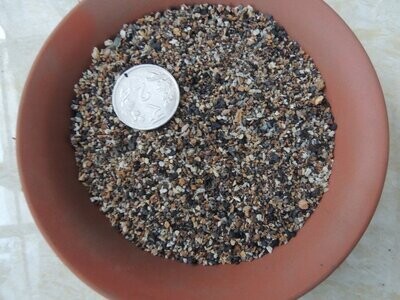
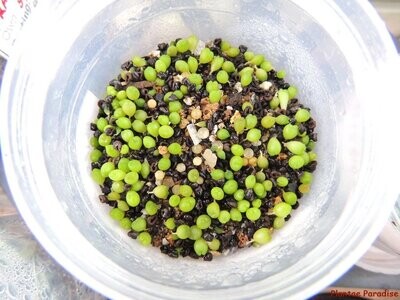
Cactus Seed Planting Mix
Cactus Seed Planting Mix
Sterile, Fine-Grain Media for Cactus & Succulent Seeds
SKU MNS005
₹74.85

Cactus & Succulent Planting Mix COARSE (aka Cactus Soil Mix or Succulent Soil Mix)
Cactus & Succulent Planting Mix COARSE (aka Cactus Soil Mix or Succulent Soil Mix)
Washed, Free-Draining Mineral Mix for Cactus & Succulents
SKU MNS003
₹44.85
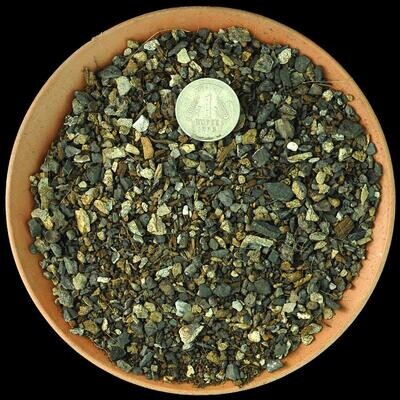
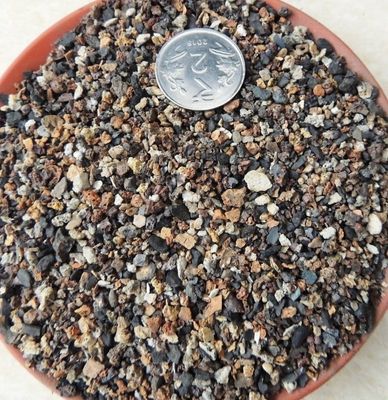
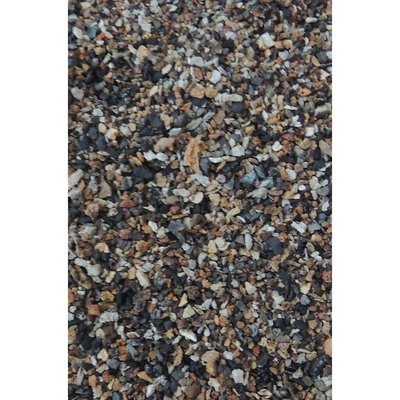
Cactus & Succulent Planting Mix FINE (aka Cactus Soil Mix or Succulent Soil Mix)
Cactus & Succulent Planting Mix FINE (aka Cactus Soil Mix or Succulent Soil Mix)
Fine-Grain Potting Mix for Cactus & Succulent Roots
SKU MNS001
₹39.85