

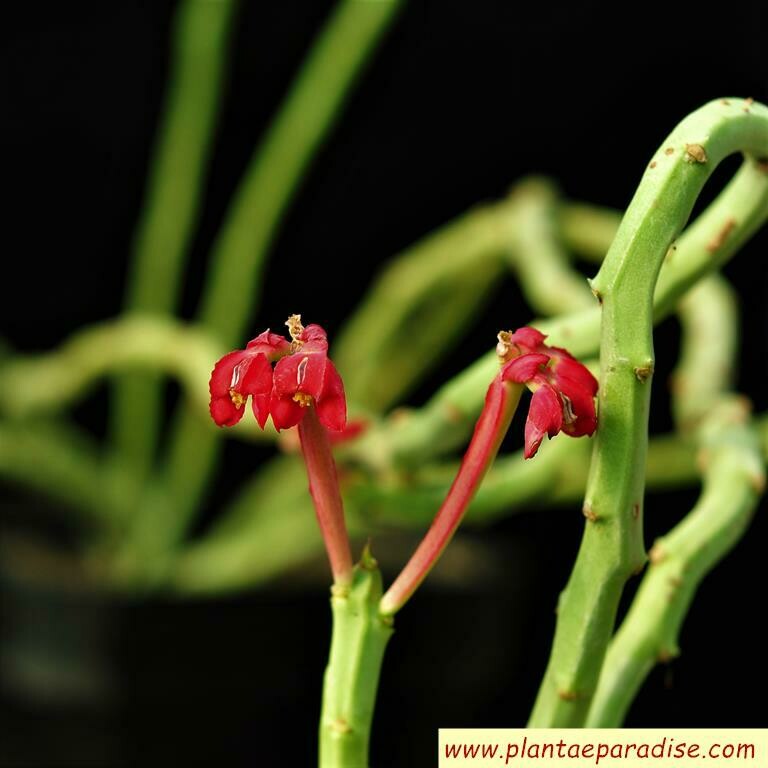
Monadenium coccineum
Product Details
Scarlet Jade of Tanzania: Monadenium coccineum
A rare East African succulent featuring fleshy, architectural stems and brilliant red bracts that provide striking year-round contrast.
- Origin & History of Name: The genus name Monadenium comes from the Greek monos (single) and aden (gland), referring to the structure of the nectar gland in the flower (cyathium) which is fused into a single horseshoe shape. The species name coccineum is Latin for "scarlet-colored," directly referencing the vivid red bracts and flowers that distinguish this species from its greener relatives.
- Morphology: This semi-scandent succulent features thick, fleshy, five-angled stems that can reach up to 1 meter in length, often trailing or climbing. The stems are adorned with obovate, green leaves often tinged with purple edges. Its defining feature is the cyathia (inflorescence) surrounded by intense scarlet bracts, mimicking the appearance of exotic orchid blooms.
- Habitat & Origin: Native to the steep, rocky slopes of the Masai Steppe in Tanzania. It is a wild species but is widely propagated in cultivation. While local populations are stable, commercial specimens are exclusively nursery-grown to protect the delicate biodiversity of the Tanzanian rift habitats.
- Cultivation Profile:
- Substrate: Needs a gritty, free-draining mix; a combination of standard cactus soil with 50% perlite or coarse sand is ideal to ensure rapid drainage.
- Light: Thrives in bright light to full morning sun; insufficient light causes etiolation (stretching) and a loss of the characteristic red pigmentation in the flowers and leaves.
- Water/Dormancy: Water moderately during the active growing season when leaves are present; significantly reduce water in winter or when the plant drops leaves to enter dormancy.
- Scientific/Historical Anecdote: Taxonomists have recently merged the genus Monadenium into the massive genus Euphorbia based on DNA analysis (renaming this plant Euphorbia neococcinea), yet it retains the unique "horseshoe" gland structure that originally led botanists to classify it separately. This specific species is prized because, unlike many Euphorbias, its "flowers" (bracts) are showy enough to compete with ornamental bedding plants.

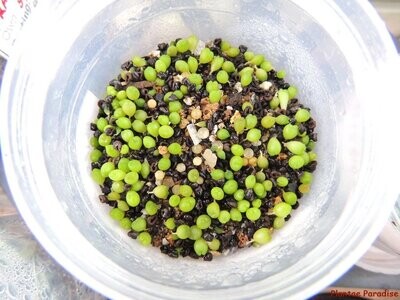
Cactus Seed Planting Mix
Cactus Seed Planting Mix
Sterile, Fine-Grain Media for Cactus & Succulent Seeds
SKU MNS005
₹74.85
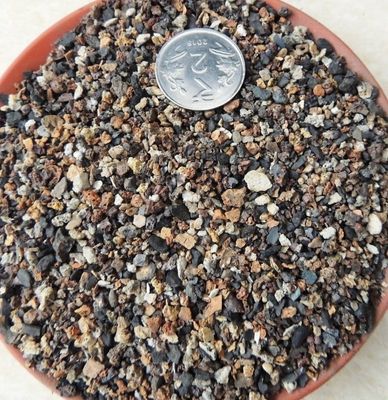
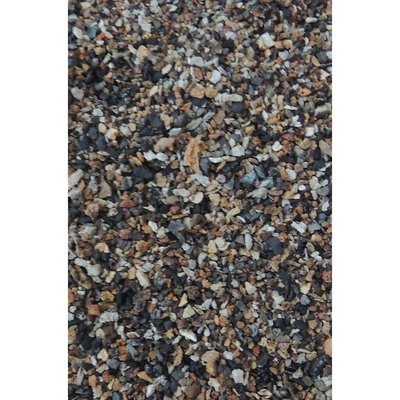
Cactus & Succulent Planting Mix FINE (aka Cactus Soil Mix or Succulent Soil Mix)
Cactus & Succulent Planting Mix FINE (aka Cactus Soil Mix or Succulent Soil Mix)
Fine-Grain Potting Mix for Cactus & Succulent Roots
SKU MNS001
₹39.85

