

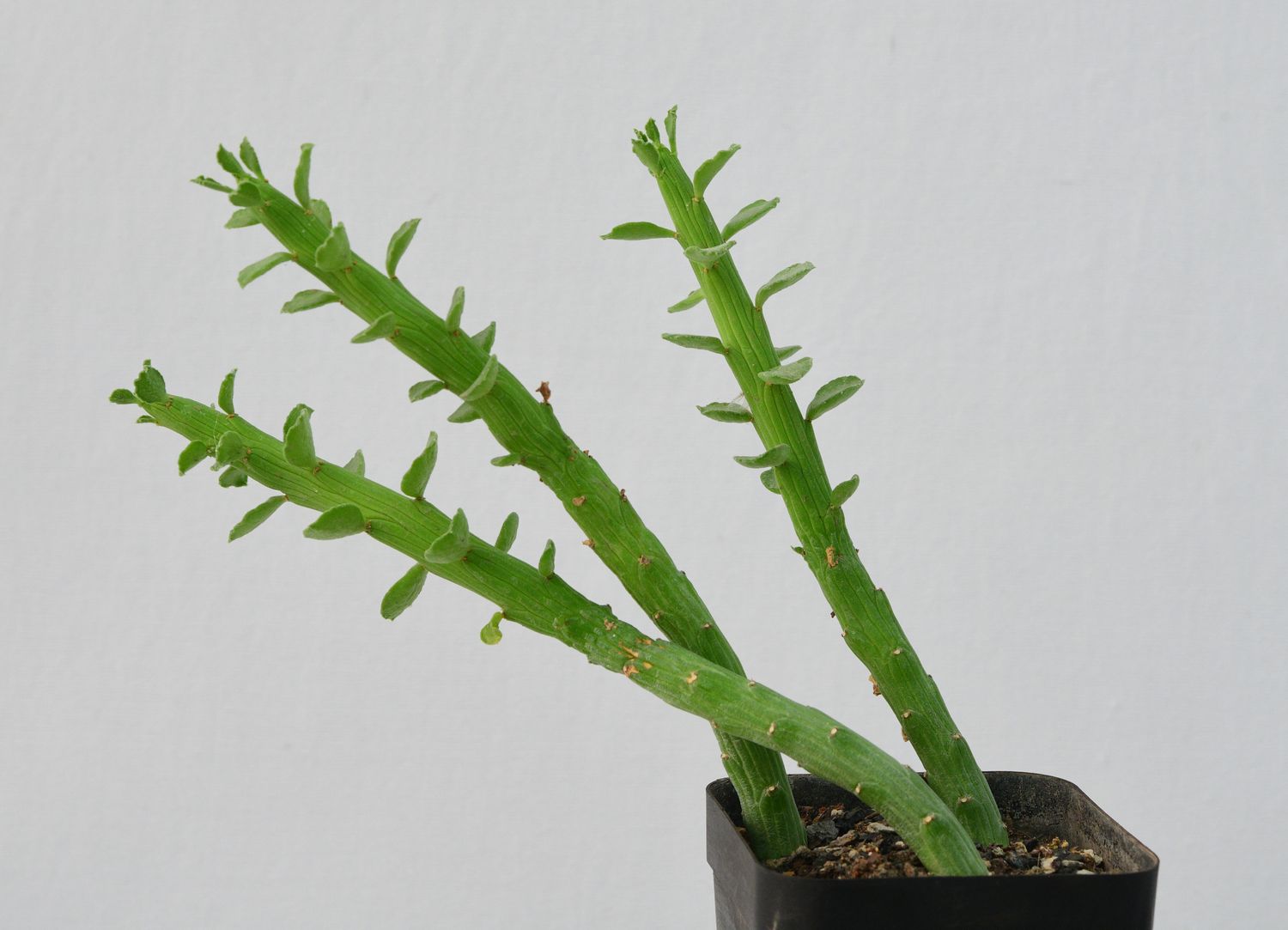
Monadenium ellenbeckii Octopus Arms
Product Details
Serpentine Elegance: Monadenium ellenbeckii 'Octopus Arms'
A sculptural marvel for the serious collector, featuring a rare, sprawling growth habit that mimics the fluid motion of deep-sea cephalopods.
- Origin & History of Name: The genus name Monadenium stems from the Greek monos (single) and aden (gland), referring to the singular nectar gland in the cyathium. The species epithet ellenbeckii honors Dr. Hans Ellenbeck, a German physician and naturalist who collected flora in East Africa during the late 19th century. The cultivar name 'Octopus Arms' is a descriptive marketing designation highlighting its distinctive radial branching pattern.
- Morphology: This succulent is characterized by its cylindrical, decumbent stems that originate from a central subterranean caudex (swollen base). The epidermis is typically a matte lime-green, featuring prominent leaf scars that create a textured, geometric pattern. In high light, the stems exhibit slight rubescence. Its "arms" are flexible yet fleshy, producing small, ephemeral leaves at the growing tips during the active season.
- Habitat & Origin: Monadenium ellenbeckii is a wild species native to the arid regions of Ethiopia, Kenya, and Somalia. It typically grows in rocky limestone crevices or under the shade of scrub brush. The 'Octopus Arms' selection is a stabilized growth form propagated in cultivation. To ensure sustainability, these specimens are produced via nursery-grown cuttings or seeds rather than being wild-harvested.
- Cultivation Profile:
- Substrate: Use a strictly mineral-based mix (60% grit/pumice, 40% organic matter) to prevent root rot.
- Light: Thrives in bright, indirect light; in the Indian subcontinent, 30–40% green shade netting is recommended during peak summer to prevent epidermal scorching.
- Water/Dormancy: Provide deep watering once the substrate is completely dry during the monsoon and summer. Reduce water significantly in winter (dormancy); avoid overhead watering to prevent moisture trapping in the stem junctions.
- Scientific/Historical Anecdote: Recent phylogenetic studies have led many botanists to reclassify the Monadenium genus into Euphorbia. Despite this, the distinctive "hooded" bracts of the flowers—which evolved specifically to protect the delicate reproductive organs from harsh African sun and wind—keep the name Monadenium alive among horticultural specialists as a mark of its unique evolutionary path.
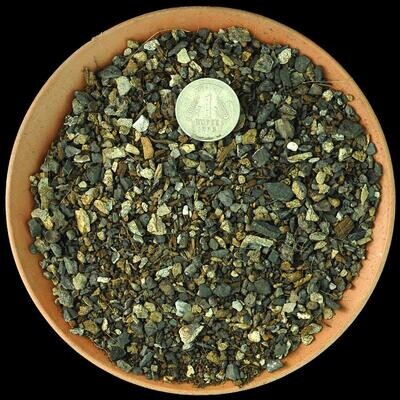
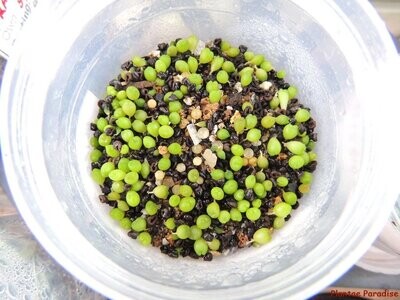
Cactus Seed Planting Mix
Cactus Seed Planting Mix
Sterile, Fine-Grain Media for Cactus & Succulent Seeds
SKU MNS005
₹74.85
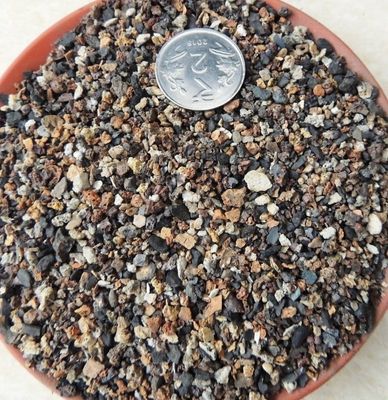

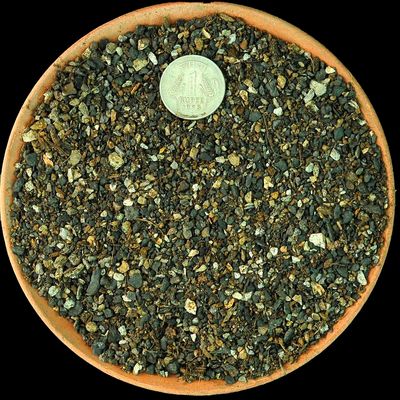
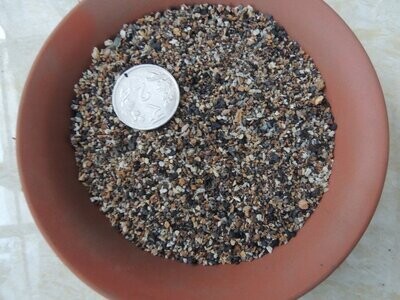
Cactus & Succulent Planting Mix FINE (aka Cactus Soil Mix or Succulent Soil Mix)
Cactus & Succulent Planting Mix FINE (aka Cactus Soil Mix or Succulent Soil Mix)
Fine-Grain Potting Mix for Cactus & Succulent Roots
SKU MNS001
₹39.85