Origin of Name:
The genus Monadenium derives from Greek roots—"monas" meaning "single" or "unit," reflecting the plant's distinctive singular features, and "hyperion" hinting at its towering or prominent nature. The species name invenustum is Latin for "unsightly" or "unattractive"—a nickname originally coined by early botanists who, at first glance, found its rugged, irregular form less appealing compared to other succulents. However, botanical aficionados have since redefined its image, celebrating its unique beauty and resilience. Interestingly, some synonyms include Euphorbia invenusta, as it was initially classified within the Euphorbia genus before being reclassified into Monadenium, which highlights its botanical history of taxonomic evolution. Think of it as an example of how scientific names can tell stories of discovery, reclassification, and the evolving understanding of plant relationships.
Origin of Plant:
Monadenium invenustum is native to the arid, rocky terrains of eastern Africa, particularly Ethiopia and Somalia. Discovered during botanical explorations of these rugged landscapes in the late 19th and early 20th centuries, it was first documented by European botanists interested in the diverse succulent flora of Africa. Its hardy nature allows it to thrive in extremely dry conditions, clinging to rocky crevices where water is scarce and soil is minimal. Its adaptation to such extreme environments makes it a symbol of resilience and survival in the face of harsh conditions.
Description:
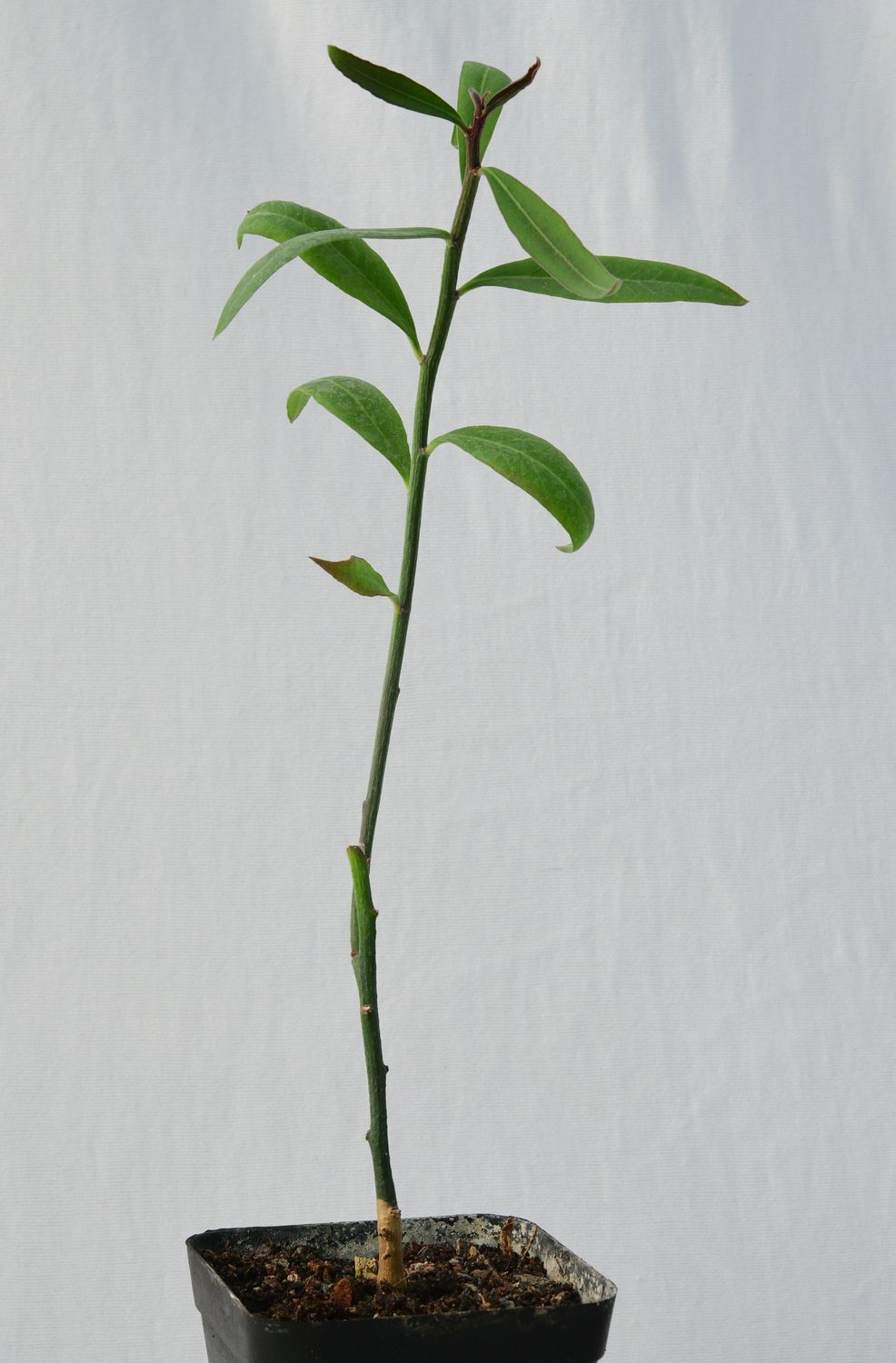
This succulent is a fascinating sight—small, dense, and sculptural. Typically reaching around 6 to 12 inches in height, it features thick, fleshy stems and leaves that are often irregularly shaped with warty tubercles and a rugged texture. Its coloration is a natural camouflage, with shades of muted green, gray, and hints of reddish-brown, blending seamlessly into its rocky habitat. During the flowering season, which often occurs in winter, it produces striking, tubular flowers that are bright red with touches of yellow, attracting pollinators despite its modest size. Its unique form and textured surface make it a conversation piece, perfect for collectors seeking an uncommon plant with character and history.
Conservation Status:
Currently, Monadenium invenustum is considered vulnerable due to habitat loss stemming from overgrazing and land development. Because it is endemic to specific regions, its wild populations are at risk. Cultivation in nurseries and responsible propagation are vital to ensure its survival, and many organizations advocate for habitat conservation efforts to protect its native ecosystems.
Care:
To keep your Monadenium invenustum thriving, plant it in well-draining soil—ideally a cactus or succulent mix enhanced with sand or gravel. It thrives in full sun but can tolerate partial shade. Water sparingly—allow the soil to dry out completely between watering—especially in winter, when the plant enters dormancy. It’s highly drought-tolerant but sensitive to overwatering, which can cause root rot. Keep it in warm conditions, ideally between 65°F and 85°F, and protect it from frost in cooler climates by growing it indoors or in containers that can be moved inside. Fertilize lightly during its active growth season with a diluted cactus fertilizer to promote vibrant health. With proper care, this resilient plant will reward you with its intriguing texture and subtle yet captivating presence.
Interesting Fact:
Despite its initial unassuming appearance and the Latin name invenustum hinting at its “unsightly” nature, botanists and succulent enthusiasts now celebrate it for its rugged charm and adaptability—a reminder that beauty often lies in resilience and uniqueness.