

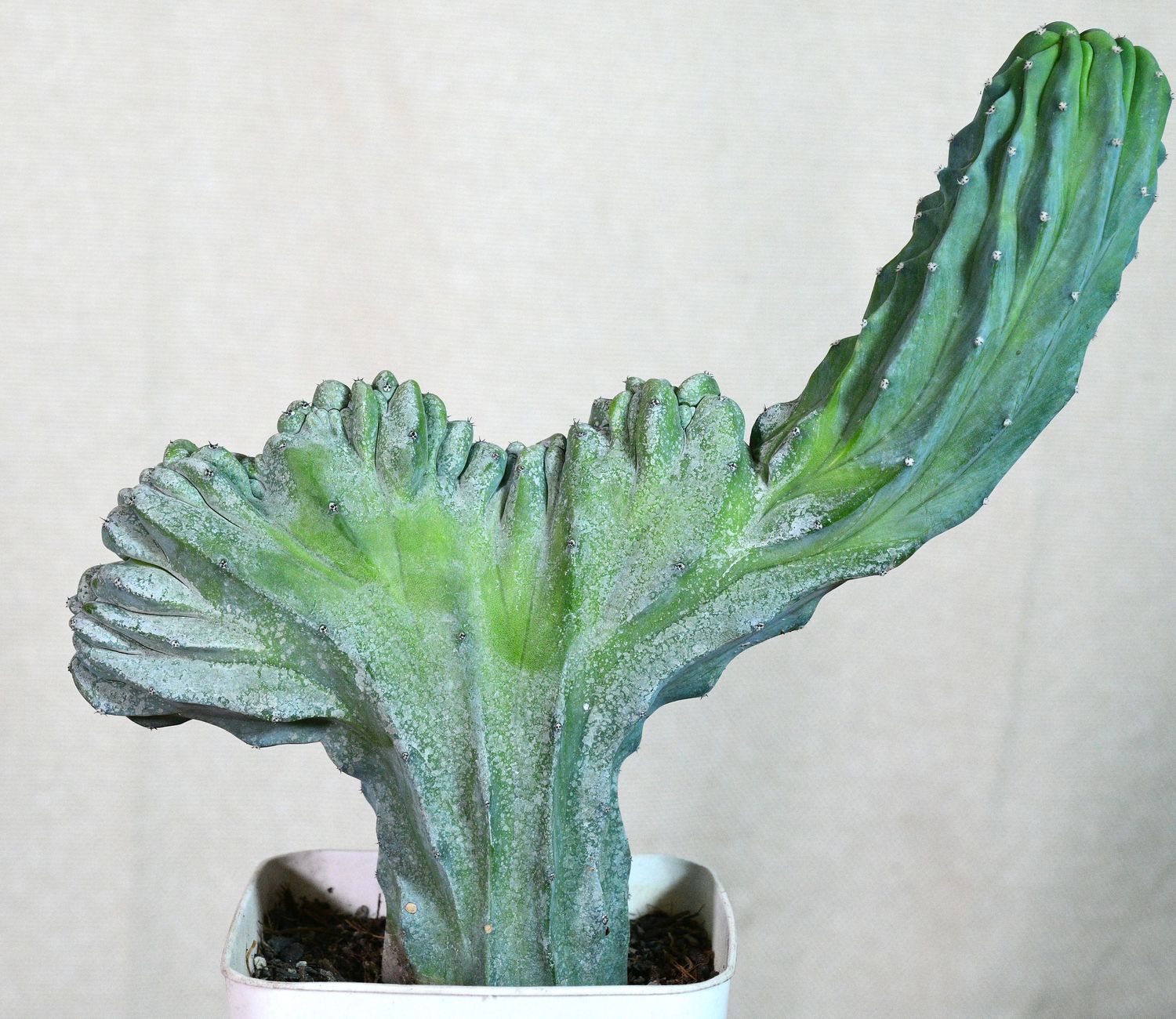
Myrtillocactus geometrizans Forma Crest
Product Details
Architectural Wonder: Myrtillocactus geometrizans f. cristatus
A sculptural masterpiece of glaucous waves, this rare crested mutation transforms a classic desert species into a living piece of fine art.
- Origin & History of Name: The genus name Myrtillocactus is derived from the Greek myrtillus (small myrtle) and the Latin cactus, referring to its small, blueberry-like fruits.
The specific epithet geometrizans describes the precise, geometric patterns of the ribs on the standard form. The designation Forma Crest (or cristatus) stems from the Latin crista (crest or tuft), identifying a rare fasciation—a genetic mutation where the apical meristem (growth point) elongates into a fan-like ridge rather than a single point. - Morphology: This specimen is defined by its dramatic cristate growth habit, forming dense, undulating folds.
The epidermis exhibits a striking glaucous blue-grey hue, protected by a waxy cuticular layer that minimizes transpiration. Unlike the standard columnar form with vertical costae (ribs), the crested form merges these ribs into a convoluted, brain-like mass. It features sparse areoles with short, darkened spines that accentuate its sculptural silhouette. - Habitat & Origin: While the parent species is native to the high-altitude matorral shrublands of Central and Northern Mexico, the cristatus form is a cultivar maintained through vegetative propagation. In the wild, these mutations are rare and often lack the vigor to compete; however, in cultivation, they are prized for their unique aesthetics. Our specimens are ethically propagated via cuttings or grafting, ensuring no impact on wild populations.
- Cultivation Profile:
- Substrate: Use a strictly mineral-based mix (60% grit/pumice, 40% organic matter). In the Indian context, avoid heavy clay; instead, use a mix of coarse river sand, perlite, and a small amount of leaf mold.
- Light: High-intensity light is required to maintain the blue color. Provide bright, indirect sunlight or filtered morning sun. In peak Indian summers (April–June), provide 30-50% shade to prevent epidermal scorching.
- Water/Dormancy: Follow a "soak and dry" cycle. Water thoroughly when the substrate is bone-dry. During the monsoon, ensure protection from stagnant humidity. Reduce watering significantly in winter (November–February) as the plant enters semi-dormancy.
- Scientific/Historical Anecdote: The "Blue Candle" cactus (the common name for this genus) was first formally described by Italian botanist Michelangelo Console in 1897.
While the fruit, known as garambullo, has been a staple food source in Mexico for centuries, the crested form became a global sensation in the mid-20th century when succulent collectors began selectively breeding for the most "convoluted" and stable mutations, turning a biological error into a horticultural treasure.
New

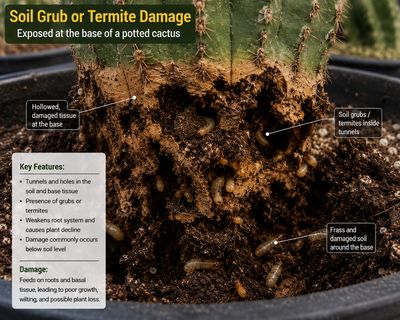
Monsoon Guardian Kit (5 in 1)
Monsoon Guardian Kit (5 in 1)
Complete 5-in-1 biological protection kit for cacti & succulents
SKU MNS024
₹850.00
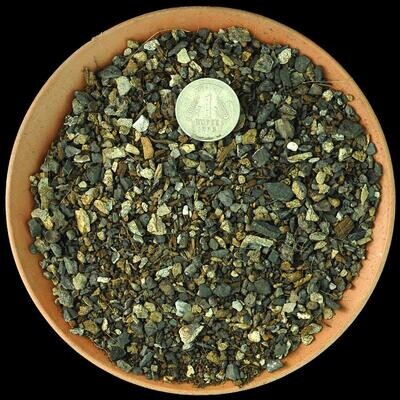
Cactus & Succulent Planting Mix COARSE (aka Cactus Soil Mix or Succulent Soil Mix)
Cactus & Succulent Planting Mix COARSE (aka Cactus Soil Mix or Succulent Soil Mix)
Washed, Free-Draining Mineral Mix for Cactus & Succulents
SKU MNS003
₹44.85


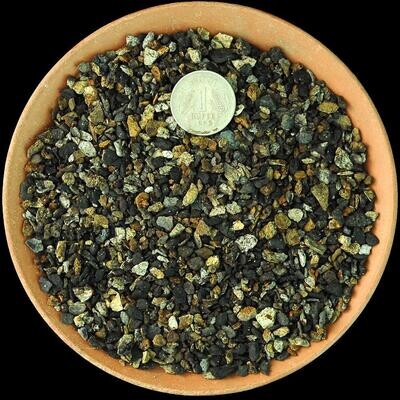
Cactus & Succulent Planting Mix FINE (aka Cactus Soil Mix or Succulent Soil Mix)
Cactus & Succulent Planting Mix FINE (aka Cactus Soil Mix or Succulent Soil Mix)
Fine-Grain Potting Mix for Cactus & Succulent Roots
SKU MNS001
₹39.85