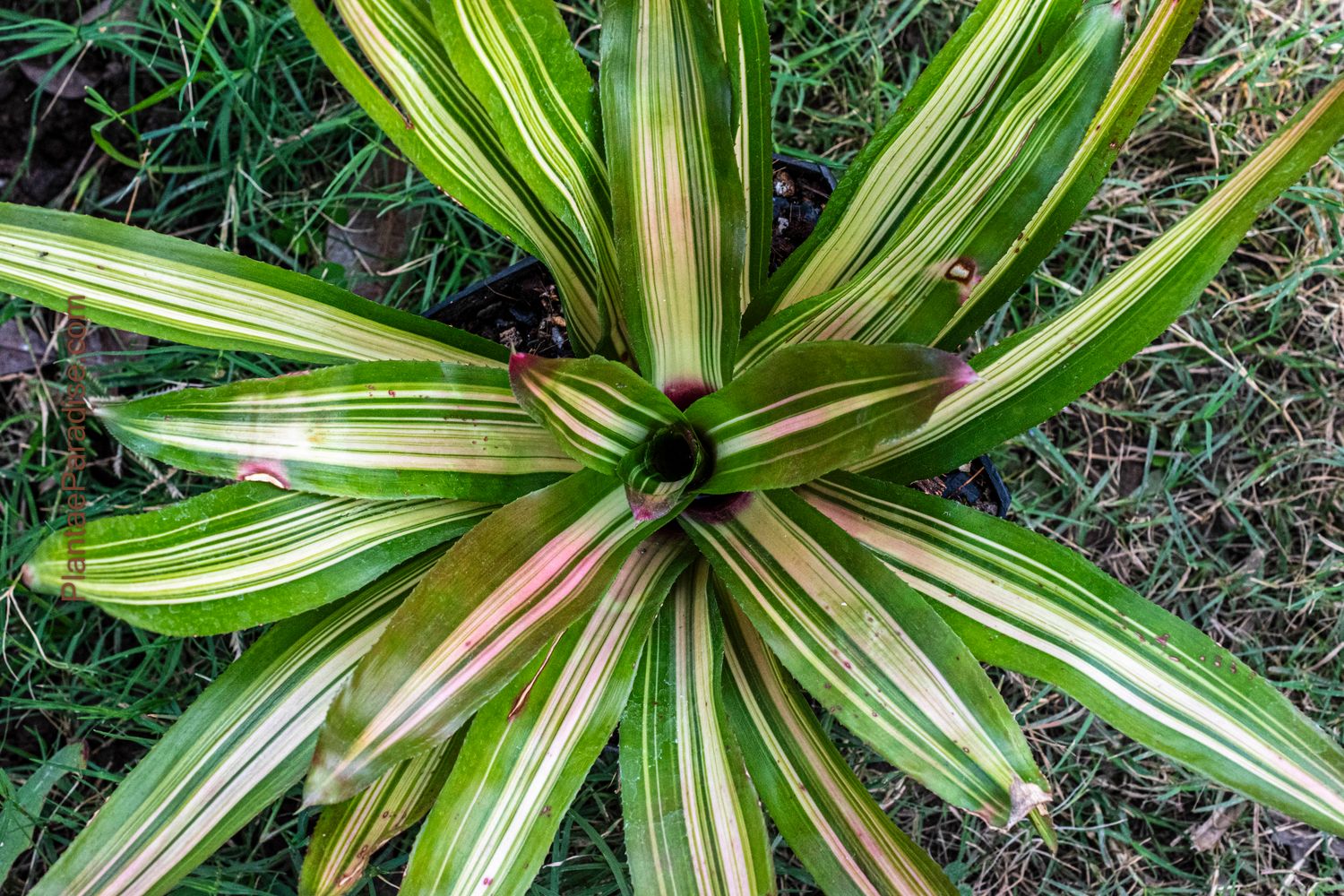
Prepare to be charmed by a living jewel that transforms with the seasons – the Neoregelia carolinae, affectionately known as the "Blushing Bromeliad." This stunning plant is a master of natural artistry, boasting a vibrant rosette of foliage that changes color dramatically, especially when it prepares to bloom. Easy to care for and utterly captivating, the Blushing Bromeliad promises to infuse your space with a touch of tropical elegance and dynamic beauty.
1. Origin of Name
The genus name, Neoregelia, honors Eduard August von Regel (1815–1892), a prominent German botanist and horticulturist who was director of the Saint Petersburg Botanical Garden in Russia. Regel was a prolific author and an authority on cultivated plants, playing a significant role in the classification and popularization of many ornamental species, including bromeliads. The specific epithet, carolinae, commemorates Caroline von Regel, Eduard's wife, a common practice in botany to honor individuals who supported or contributed to the work of botanists. The common name, "Blushing Bromeliad," is a delightful and accurate description of its most famous ornamental trait: the dramatic reddening or "blushing" of its central leaves as the plant prepares to flower, signaling its maturity and readiness to reproduce.
2. Origin of Plant
Neoregelia carolinae is native to the humid tropical rainforests of eastern Brazil, specifically found in the coastal regions, particularly in the states of Espírito Santo, Minas Gerais, and Rio de Janeiro. In its natural habitat, it primarily grows as an epiphyte, attaching itself to tree branches and trunks, where it collects moisture and nutrients from rainfall, mist, and decaying organic matter. It also sometimes grows as a lithophyte, clinging to rocks. These environments are characterized by high humidity, dappled light filtering through the tree canopy, and consistent warmth. The discovery and documentation of such species were part of the broader botanical explorations of South America in the 19th and early 20th centuries, bringing the immense diversity of bromeliads to the attention of the scientific and horticultural worlds.
3. Description
The Neoregelia carolinae is a truly ornamental bromeliad, forming a symmetrical, open rosette of broad, strap-like leaves. The leaves are typically a glossy, apple-green and can reach lengths of 30-45 cm (12-18 inches), with the entire rosette spanning similar widths. The plant's most spectacular feature, and the origin of its common name, is its dramatic color transformation when it reaches maturity and prepares to flower. The central leaves of the rosette, especially those closest to the plant's heart, turn a brilliant, fiery red, deep rose, or vibrant pink, creating a stunning "blush" that can last for several months. Nestled deep within this intensely colored central cup are the plant's actual flowers: small, inconspicuous violet-blue or white blooms, often appearing only briefly. The primary aesthetic appeal lies in the spectacular, long-lasting foliage coloration surrounding these flowers. The plant often produces offsets (pups) from its base, eventually forming attractive clumps.
4. Conservation Status
As a species, Neoregelia carolinae is generally considered to be of Least Concern on the IUCN Red List of Threatened Species. It is relatively widespread in its native Brazilian habitats, and its populations are not currently facing immediate, critical threats. However, like many rainforest species, localized populations can be vulnerable to habitat degradation due to deforestation, agricultural expansion, and climate change. Its widespread availability and popularity in cultivation significantly reduce any pressure on wild populations, making it a sustainable choice for plant enthusiasts and indirectly supporting the conservation of its natural habitats.
5. Care
The Blushing Bromeliad is remarkably easy to care for, making it an excellent choice for both beginners and experienced plant enthusiasts, especially those new to bromeliads.
- Light: Provide bright, indirect light. It thrives in a location with good ambient light, but direct, harsh midday sun can scorch its leaves. Adequate light is crucial for stimulating the vibrant "blushing" coloration in the central rosette. An east or west-facing window is often ideal.
- Watering: This plant has a dual watering system. Its central "cup" or "tank" should be kept filled with clean, fresh water (preferably rainwater, distilled water, or filtered water, as it is sensitive to mineral salts). Flush the cup every few weeks to prevent stagnation. Additionally, water the soil thoroughly when it feels dry to the touch, ensuring good drainage. Reduce both cup and soil watering slightly in cooler winter months.
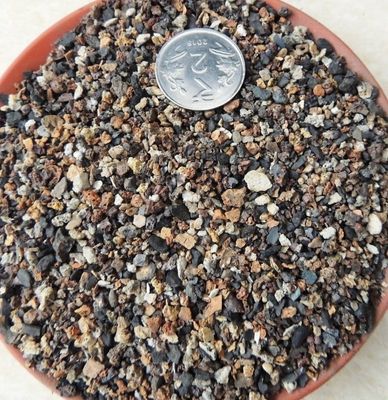
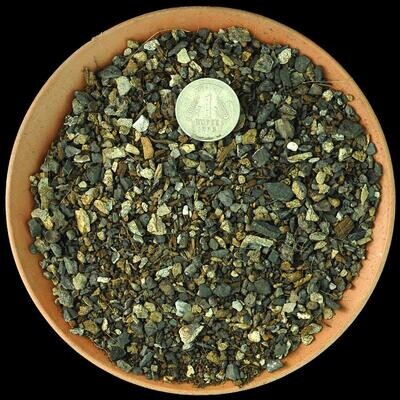
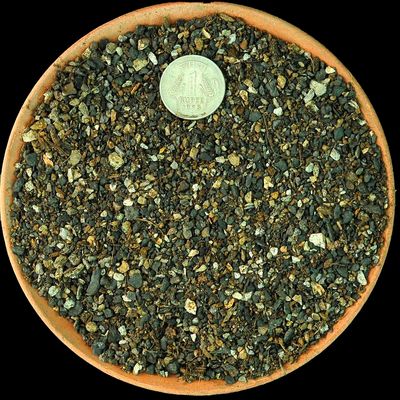
- Potting Medium: If potted, use a very airy, fast-draining orchid bark mix, sphagnum moss, or a coarse bromeliad mix. It can also be grown mounted on cork bark or driftwood.
- Temperature: Prefers warm, stable temperatures, ideally between 18-29°C (65-85°F). Protect it from cold drafts and temperatures below 13°C (55°F), as it is not frost-tolerant.
- Humidity: High humidity is beneficial. Misting regularly, especially in dry indoor environments, can help, but ensuring the central cup is filled is usually sufficient.
- Tips: After the mother plant flowers and blushes, it will eventually produce "pups" or offsets around its base. The mother plant will slowly decline after this (a natural process for many bromeliads), but these pups can be separated and grown into new, mature plants when they are about one-third the size of the mother. Fertilize sparingly (once a month during growing season) with a highly diluted (1/4 strength) bromeliad or orchid fertilizer, sprayed directly onto the leaves or into the cup.
6. Engaging Anecdote
The "blushing" phenomenon of Neoregelia carolinae is a captivating example of nature's ingenious communication strategies. This dramatic change in leaf color, from vibrant green to fiery red, is not merely for human aesthetic pleasure. In its native Brazilian rainforest, it serves as a powerful visual signal to pollinators, primarily hummingbirds. The vibrant red center acts as a beacon, guiding these agile birds directly to the tiny, often inconspicuous flowers nestled deep within the cup. The red color, rich in anthocyanins, signifies maturity and a ready supply of nectar. Once pollinated, the plant's purpose is served, and the blushing color may gradually fade as the mother plant begins to focus its energy on producing new "pups." This remarkable transformation is a living, breathing advertisement, showcasing the intricate dance between plants and their animal partners in the wild. Owning a Neoregelia carolinae is not just cultivating a beautiful plant; it's observing a miniature, yet profound, act of nature's communication, a vibrant testament to the cycles of life and reproduction in the heart of the rainforest.