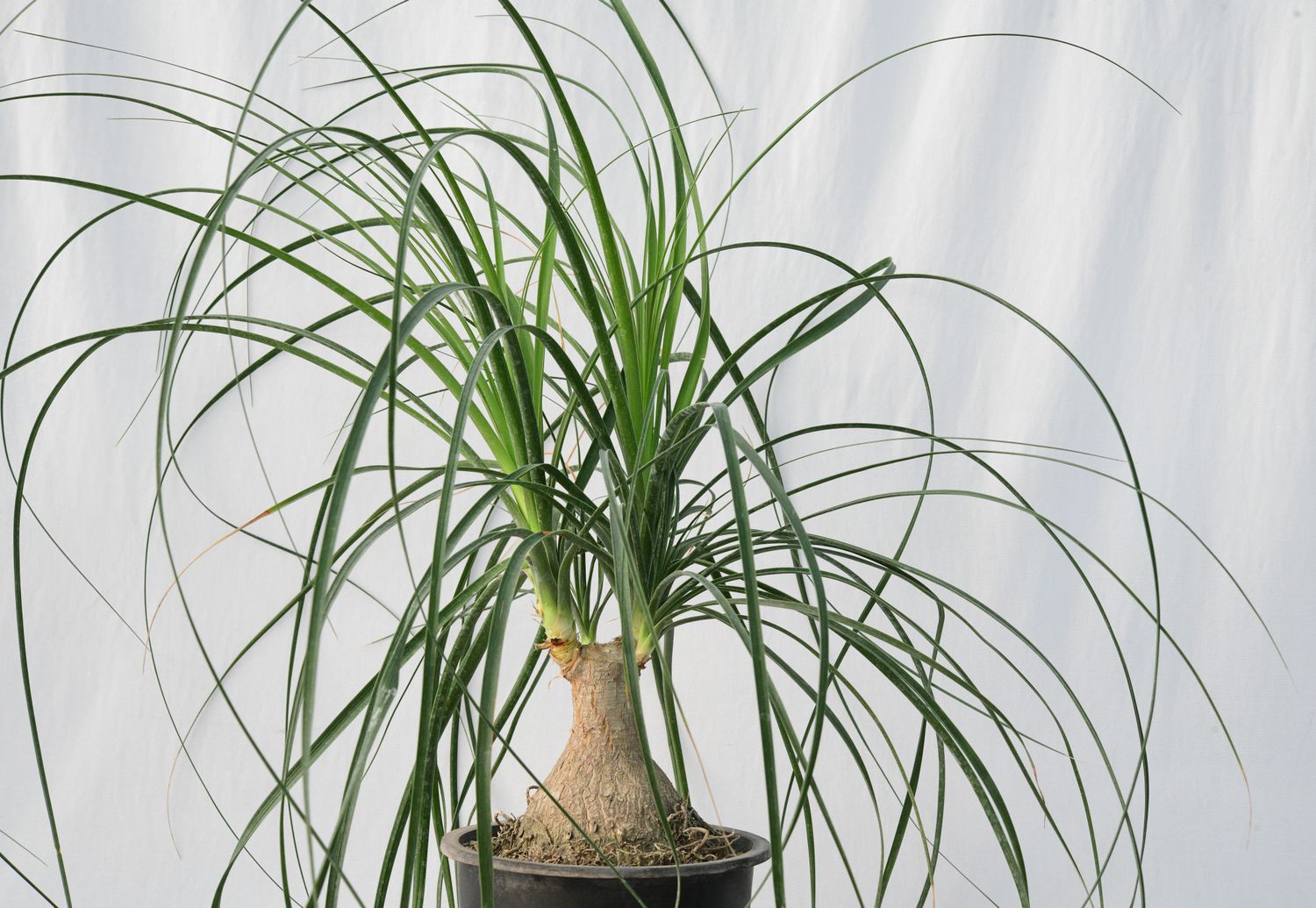
1. Origin of Name: Nolina recurvata, commonly known as the Ponytail Palm, is a name rooted in its characteristic appearance and botanical lineage. The genus "Nolina" honors the 18th-century French agricultural engineer Abbé C. P. Nolin. The species name "recurvata" refers to the recurved shape of its leaves. Despite its name, the Ponytail Palm is not a true palm but rather a member of the Asparagaceae family. Its common name is drawn from the plant’s distinctive appearance, with long, flowing leaves resembling a ponytail cascading over its thick, bulbous trunk.
2. Origin of Plant: Native to the arid regions of eastern Mexico, Nolina recurvata thrives in the scrublands and semi-deserts of the states of Tamaulipas, Veracruz, and San Luis Potosí. It was first brought to the attention of European botanists during explorations in the 19th century, celebrated for its ability to store water in its swollen base, a key to its survival in its drought-prone habitat.
3. Description: The Ponytail Palm is a visually striking plant, known for its swollen, bottle-shaped trunk that serves as a water reservoir. Atop the trunk, the plant flaunts an exuberant fountain of narrow, arching leaves that can grow up to several feet in length. Though it is slow-growing, it can reach up to 3 feet indoors and even taller outdoors over many years. While flowering indoors is rare, mature plants may produce small, cream-colored blossoms in the right conditions. This plant is a favorite for its whimsical, carefree appearance and is often utilized as a dramatic single specimen or a conversation-starting addition to any room.
4. Conservation Status: Nolina recurvata is not currently listed as threatened or endangered. However, its popularity as an ornamental plant underscores the importance of sustainable practices in horticulture to preserve wild populations and their habitats in Mexico.
5. Care: Here's how to keep your Ponytail Palm thriving:
- Watering: This plant is extremely drought-tolerant. Allow the soil to dry out completely between waterings. Overwatering is a common mistake, so when in doubt, let it wait!
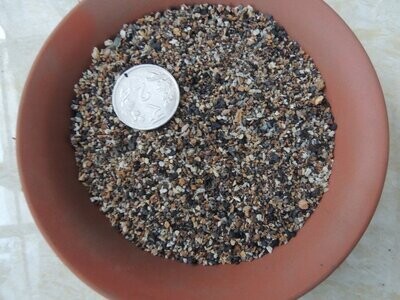
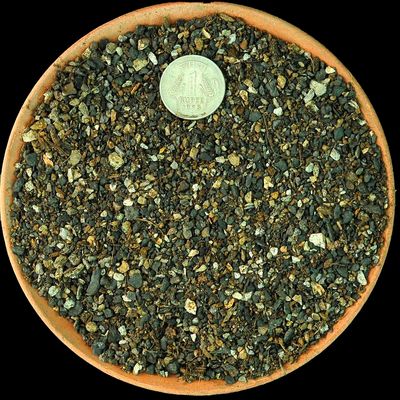
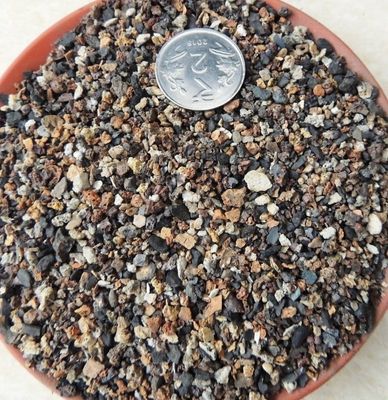
- Soil: A well-draining cactus or succulent mix is ideal to prevent root rot.
- Light: Provide bright, indirect light to full sun. A sunny spot indoors or a bright patio outdoors (in warmer climates) is perfect.
- Temperature: Prefers temperatures between 60°F and 80°F (15°C to 27°C). It can tolerate higher temperatures, but must be protected from frost.
- Tips: Little maintenance is required. Fertilize sparingly, once in the spring and summer. Consider repotting every few years to accommodate growth, but ensure good drainage.
Interesting Anecdote: Legend has it that early travelers in Mexico often mistook the Ponytail Palm's thick trunk for a young elephant’s leg, curiously adaptable and strong. This resilience, combined with its artistic leaf display, captures the imagination and admiration of plant lovers, offering not just greenery but a sculptural element to any space. Whether for its hardy nature, unique beauty, or the playful antics of imagining it as a pony's tail, Nolina recurvata brings charm and character to any home.