

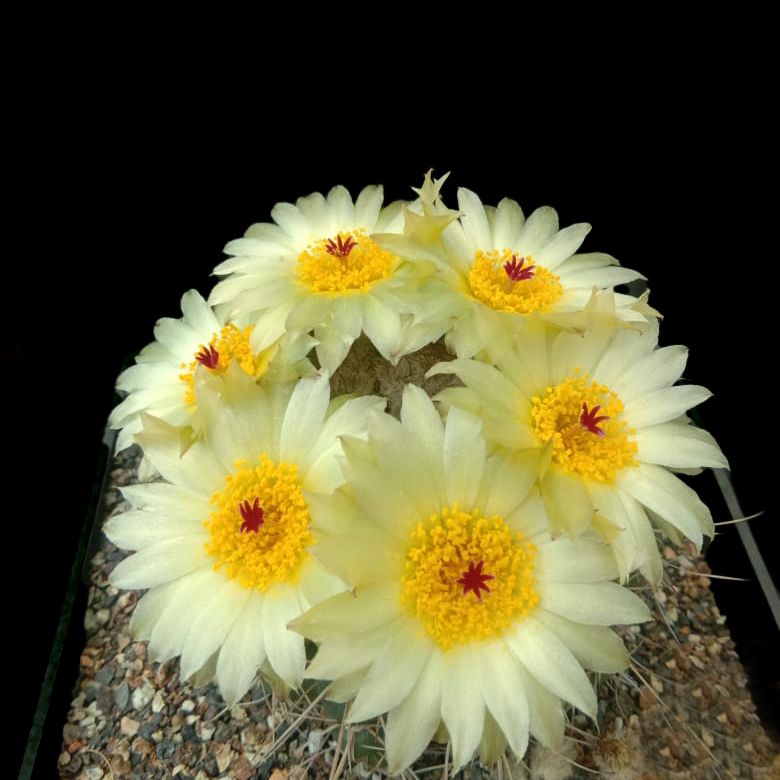
Notocactus crassigibbus
Product Details
Glossy Emerald Gem: Notocactus crassigibbus
A centerpiece of sculptural perfection featuring a deep green, high-gloss finish and stunningly large, lemon-yellow blooms.
- Origin & History of Name: The genus name Notocactus comes from the Greek notos (south), signifying its southern hemisphere origins.
- Morphology: This cactus is characterized by a flattened-globular, dark forest-green epidermis with a natural waxy luster. It typically features 10 to 15 broad, rounded costae (ribs) that are divided into prominent, chin-like humps. The areoles are recessed and bear short, slightly curved spines that do not obscure the plant's body, allowing its geometric form to remain the primary visual focus.
- Habitat & Origin: This is a wild species native to the grasslands and rocky outcrops of Rio Grande do Sul in southern Brazil. Because its native habitat is increasingly threatened by agriculture, our specimens are exclusively nursery-propagated. This ensures that your purchase supports sustainable horticulture without depleting wild populations.
- Cultivation Profile:
- Substrate: Use a highly porous mineral-based mix containing coarse sand, crushed brick, or pumice. In India, ensure the mix is slightly more acidic; avoid adding lime or calcium-rich components.
- Light: Thrives in filtered bright light. In the Indian subcontinent, protect the plant from the harsh midday sun during summer to avoid permanent scarring of the glossy skin, but provide full morning sun to encourage flowering.
- Water/Dormancy: Provide regular watering during the growing season (March–September), allowing the pot to dry halfway. During the Indian winter, reduce watering significantly to induce dormancy, which is essential for the development of its large, satiny flowers in the spring.
- Scientific/Historical Anecdote: The classification of this plant has been a point of "botanical warfare" for decades. While collectors prefer the name Notocactus for its distinct South American identity, DNA sequencing in the 1980s led many scientists to merge the genus into Parodia. Despite the scientific name change, the name Notocactus crassigibbus remains the gold standard in the trade because it perfectly captures its unique "thick-humped" appearance.
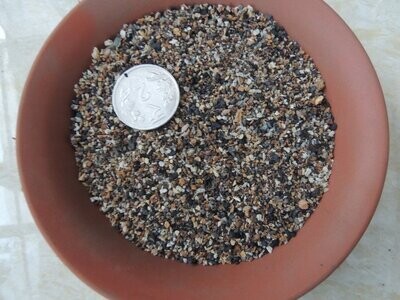
Cactus Seed Planting Mix
Cactus Seed Planting Mix
Sterile, Fine-Grain Media for Cactus & Succulent Seeds
SKU MNS005
₹66.35
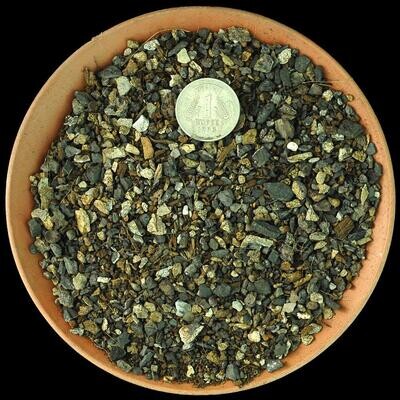
Cactus & Succulent Planting Mix COARSE (aka Cactus Soil Mix or Succulent Soil Mix)
Cactus & Succulent Planting Mix COARSE (aka Cactus Soil Mix or Succulent Soil Mix)
Washed, Free-Draining Mineral Mix for Cactus & Succulents
SKU MNS003
₹38.74
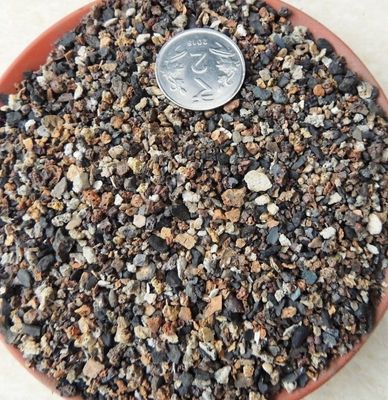
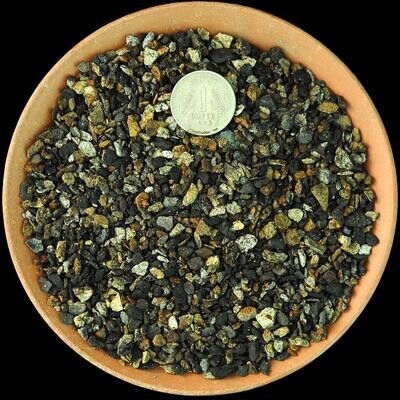
Cactus & Succulent Planting Mix FINE (aka Cactus Soil Mix or Succulent Soil Mix)
Cactus & Succulent Planting Mix FINE (aka Cactus Soil Mix or Succulent Soil Mix)
Fine-Grain Potting Mix for Cactus & Succulent Roots
SKU MNS001
₹33.74