

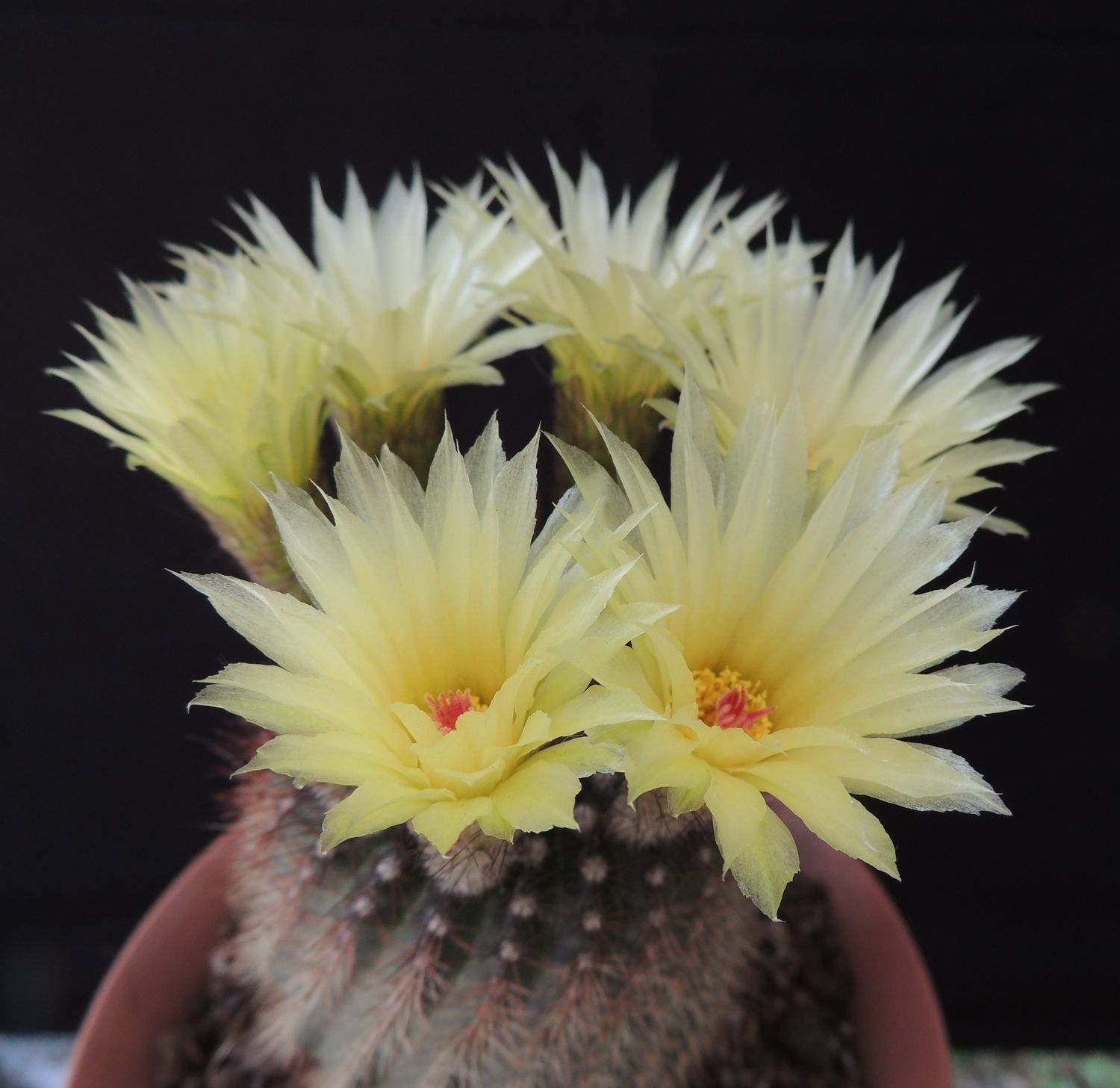
Notocactus Eugeniae Van Vliet
Product Details
The Golden Spined Rarity: Notocactus eugeniae Van Vliet
A prized collector’s gem, this Uruguayan native is celebrated for its symmetrical perfection and dense, glowing golden spination.
- Origin & History of Name: The genus name Notocactus is derived from the Greek notos (south), referencing its Southern Hemisphere origin.
This specific species was described in 1976 by the Dutch botanist Dirk van Vliet. He named it eugeniae to honor his wife, Eugenia, following a common botanical tradition of naming significant discoveries after loved ones or colleagues. - Morphology: This cactus features a solitary, globose to short-cylindrical epidermis (outer skin) of bluish-green. It is characterized by 16–20 well-defined costae (ribs) adorned with woolly white areoles. The plant is most notable for its dense, needle-like radial spines that create a golden "halo" effect, contrasting sharply with its large, silky yellow flowers.
- Habitat & Origin: Notocactus eugeniae is a wild species native to the rocky outcrops of Uruguay. In its natural habitat, it is often found growing among grasses and stones. Our specimens are nursery-grown from seed to ensure the protection of wild populations and promote sustainable trade within the hobby.
- Cultivation Profile:
- Substrate: Use a strictly mineral-based mix (60% cinder or grit, 40% organic matter) to ensure rapid drainage.
- Light: Bright, filtered sunlight is ideal. In the intense Indian summer, provide 30-50% green shade netting to prevent epidermal scorching.
- Water/Dormancy: Water thoroughly when the medium is completely dry during the growing season (March–October). Enter a dry dormancy period during the monsoon and winter months to prevent root rot in high humidity.
- Scientific/Historical Anecdote: While often sold under Notocactus, many modern taxonomists have merged this genus into Parodia. However, collectors and enthusiasts—particularly in Europe and Asia—maintain the Notocactus designation because of the distinct floral tube characteristics and seed morphology that set these "Southern Cacti" apart from the broader Parodia group.
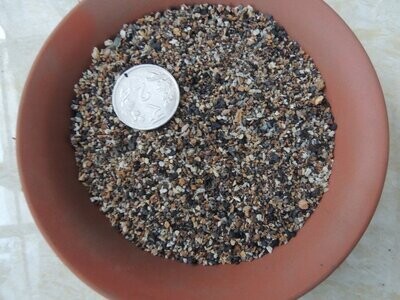
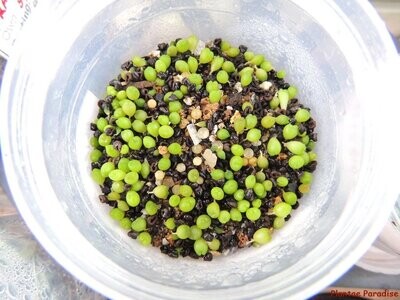
Cactus Seed Planting Mix
Cactus Seed Planting Mix
Sterile, Fine-Grain Media for Cactus & Succulent Seeds
SKU MNS005
₹74.85
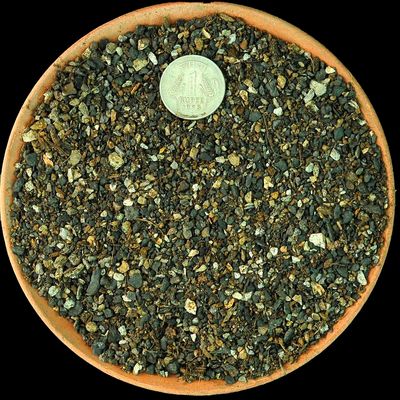
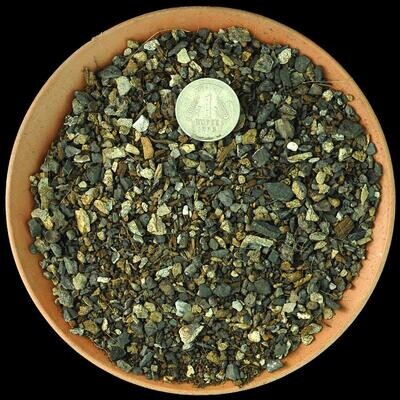
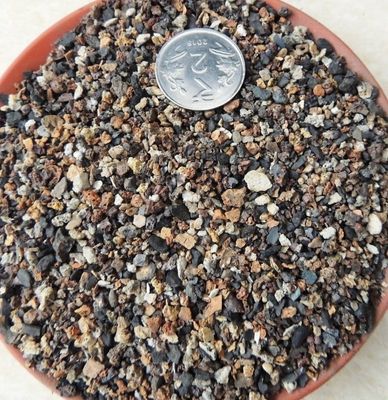
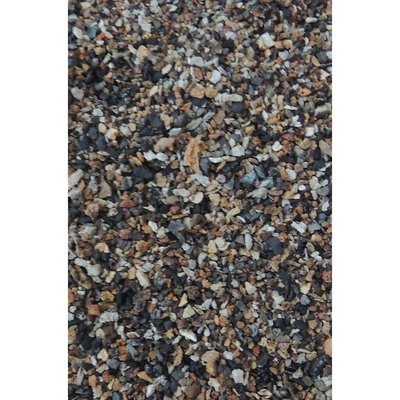
Cactus & Succulent Planting Mix FINE (aka Cactus Soil Mix or Succulent Soil Mix)
Cactus & Succulent Planting Mix FINE (aka Cactus Soil Mix or Succulent Soil Mix)
Fine-Grain Potting Mix for Cactus & Succulent Roots
SKU MNS001
₹39.85