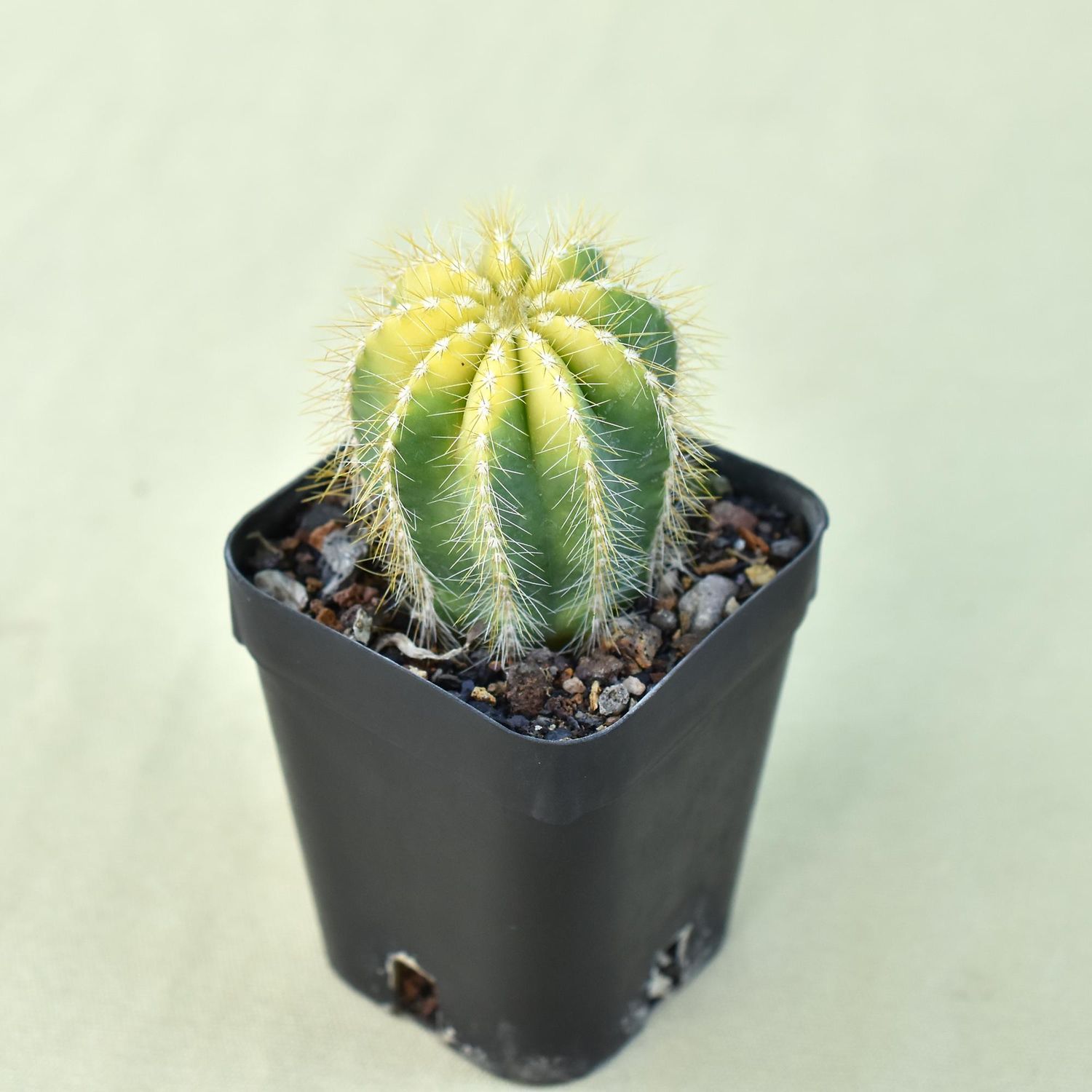
The Golden Balloon: Notocactus magnificus Variegated
A striking collector’s specimen characterized by rare yellow variegation contrasting against a blue-green epidermis, offering high architectural value.
1. Origin & History of Name The genus name Notocactus is derived from the Greek notos (south) and kaktos, explicitly designating its origin in the Southern Hemisphere. The specific epithet magnificus is Latin for "magnificent" or "splendid," chosen to reflect the species' impressive size and symmetry.
2. Morphology This globular cactus is defined by deeply cut, acute ribs (costae) and a blue-green epidermis.
3. Habitat & Origin The standard species is endemic to the Rio Grande do Sul region of Southern Brazil, where it grows in rocky outcrops. This variegated variety, however, is a nursery-produced cultivar. It does not occur naturally in the wild but is propagated vegetatively (via offsets or tissue culture) to maintain the unique coloration, making it a sustainable choice that does not deplete wild populations.
4. Cultivation Profile (Indian Context)
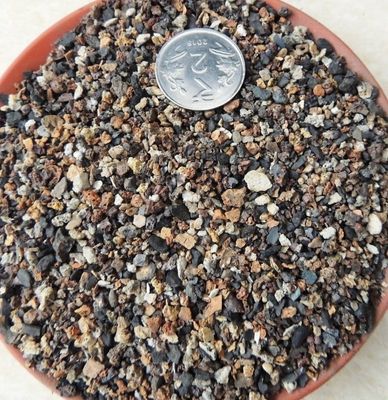
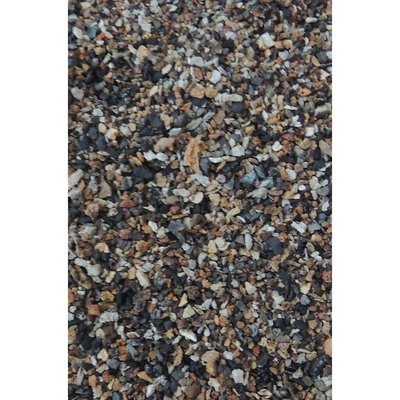
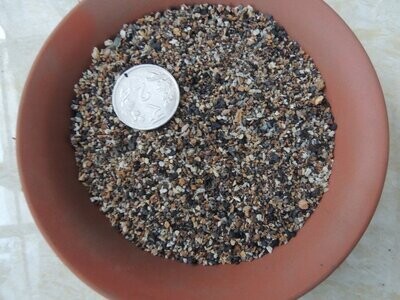
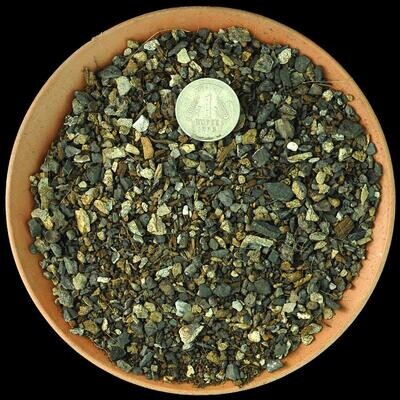
- Substrate: Requires a highly porous, mineral-based mix (70% grit/pumice/cinder, 30% organic) to ensure rapid drainage. This is critical to prevent root rot during the high humidity of the Indian monsoon.
- Light: Thrives in bright, filtered light. Unlike the non-variegated form, the yellow sectors lack protective chlorophyll and are prone to scorching; avoid direct exposure to the harsh midday sun common in Indian summers (May–June).
- Water/Dormancy: Water thoroughly only when the substrate is completely dry during the active growing season (Spring/Summer). Reduce watering significantly during winter dormancy to induce hardiness.
5. Scientific/Historical Anecdote Notocactus magnificus is evolutionarily adapted to survive on steep, rocky cliffs in Brazil's Serra Geral formation. Its dense covering of golden spines is not merely ornamental; in its native habitat, these spines serve a critical physiological function by trapping moisture from mountain mists and directing dew down toward the root system, allowing survival in environments where ground water is scarce.