

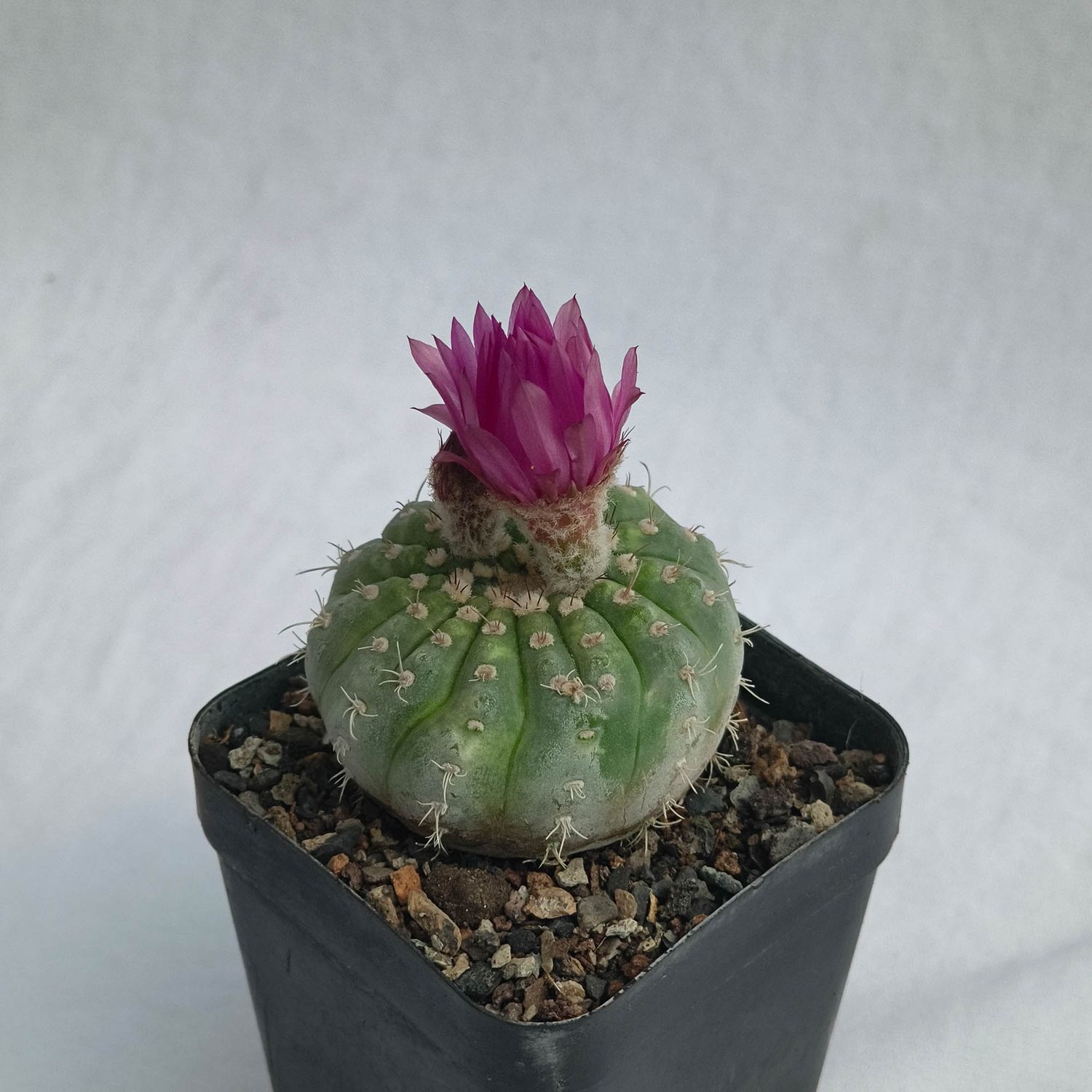
Notocactus Uebelmannianus F. Inermis (Parodia werneri f. inermis)
Product Details
The Spineless Emerald: Notocactus uebelmannianus f. inermis
A minimalist masterpiece sought by collectors for its rare, touch-friendly epidermis and striking geometric precision.
- Origin & History of Name: The genus name Notocactus stems from the Greek notos (south), denoting its South American roots, while the specific epithet uebelmannianus honors Swiss cactus enthusiast Werner Uebelmann. The botanical form inermis is Latin for "unarmed," specifically referencing the genetic mutation that leaves this variety devoid of the sharp spines typical of the species.
- Morphology: This specimen features a globose, depressed-apical stem with a rich, glossy green epidermis. It is defined by 12 to 16 broad, rounded costae (ribs) that create a sculptural, star-like symmetry. Unlike the standard form, the areoles are mostly naked or bear only minute, soft wool, making the plant's smooth texture its primary aesthetic draw.
- Habitat & Origin: This is a naturally occurring botanical form (f.) of the species native to the Rio Grande do Sul region of Brazil. While the spiny type is found in rocky grasslands, the inermis form is highly prized in cultivation. Our specimens are nursery-propagated to ensure the protection of wild South American populations.
- Cultivation Profile:
- Substrate: Use a strictly mineral-based mix (60% inorganic material like pumice, perlite, or crushed brick) to prevent root rot in high-humidity zones.
- Light: Thrives in bright, filtered sunlight; in the Indian summer, provide 50% shade cloth protection to prevent scorching the unprotected epidermis.
- Water/Dormancy: Deep soak only when the medium is completely dry. During the Indian monsoon and winter, significantly reduce watering to respect its semi-dormant state and prevent fungal issues.
- Scientific/Historical Anecdote: For decades, a heated botanical debate existed regarding whether these plants belonged to Notocactus or Parodia. While many taxonomists merged them into Parodia (renaming this Parodia werneri), collectors and traditionalists often retain the name Notocactus to distinguish these South American "ball cacti" by their unique floral tubes and seed structures.
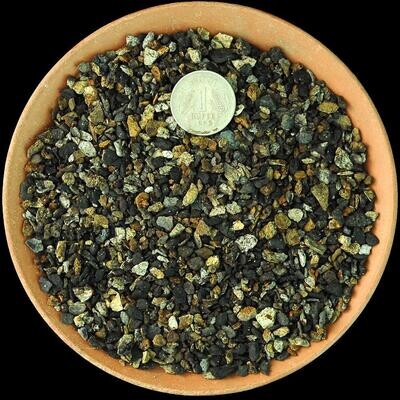
Cactus & Succulent Planting Mix COARSE (aka Cactus Soil Mix or Succulent Soil Mix)
Cactus & Succulent Planting Mix COARSE (aka Cactus Soil Mix or Succulent Soil Mix)
Washed, Free-Draining Mineral Mix for Cactus & Succulents
SKU MNS003
₹40.51
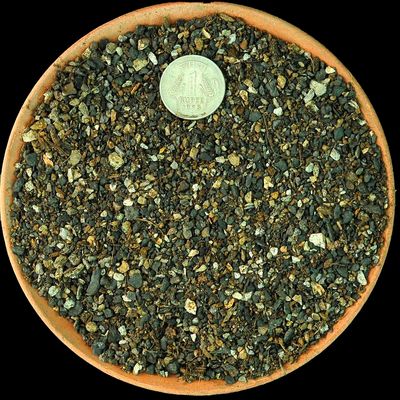
Cactus Seed Planting Mix
Cactus Seed Planting Mix
Sterile, Fine-Grain Media for Cactus & Succulent Seeds
SKU MNS005
₹70.51
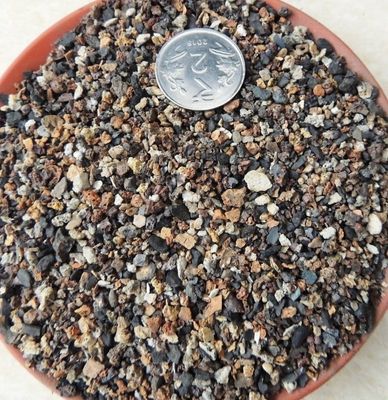
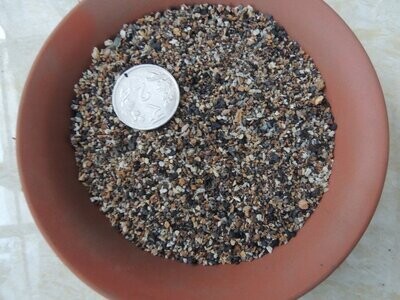
Cactus & Succulent Planting Mix FINE (aka Cactus Soil Mix or Succulent Soil Mix)
Cactus & Succulent Planting Mix FINE (aka Cactus Soil Mix or Succulent Soil Mix)
Fine-Grain Potting Mix for Cactus & Succulent Roots
SKU MNS001
₹35.51