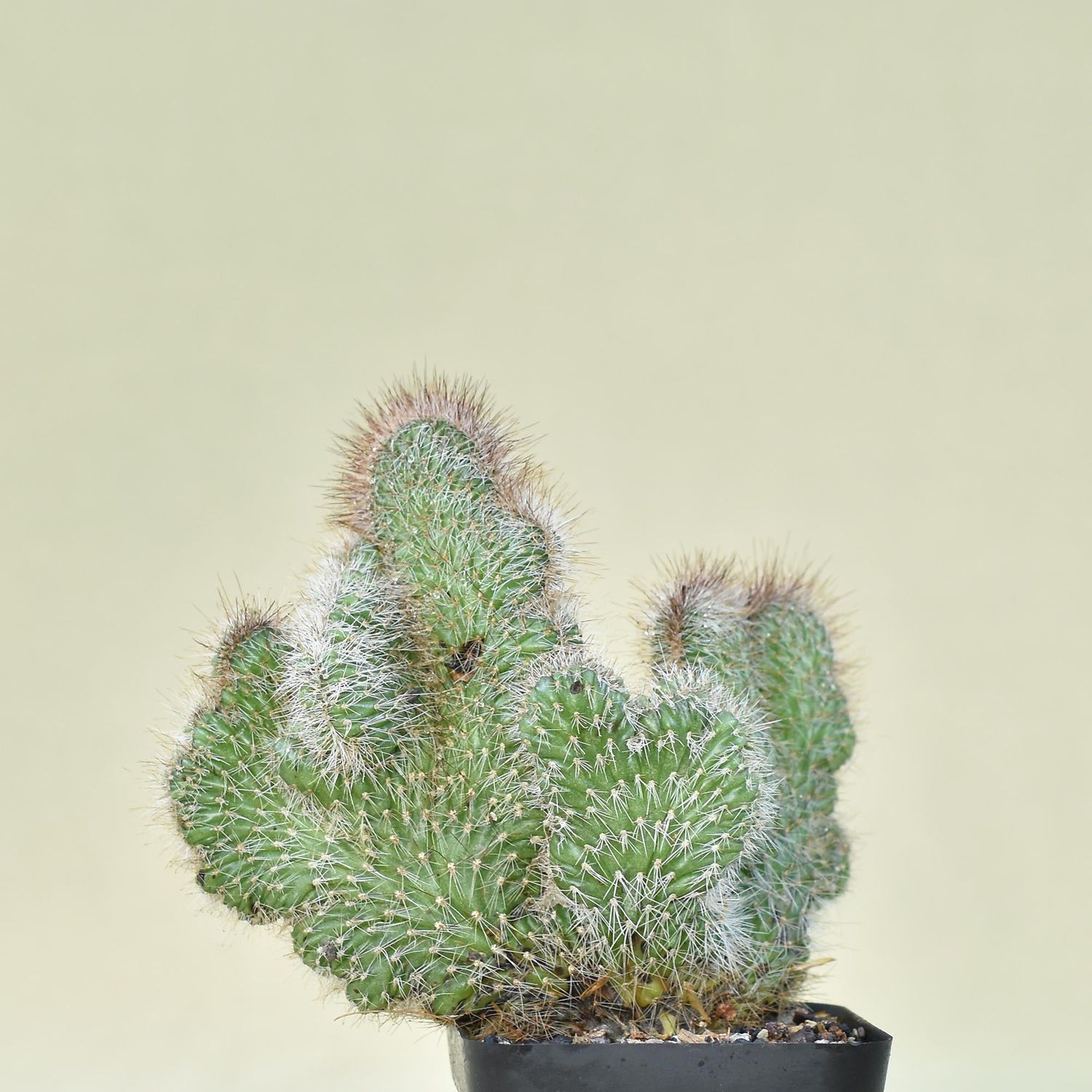
Nyctocereus Serpentinus f. Crest
Product Details
Sculptural Elegance: Nyctocereus serpentinus f. cristatus
A rare, crested architectural masterpiece, this serpentine succulent transforms any collection into a living gallery of botanical art.
- Origin & History of Name The genus name Nyctocereus is derived from the Greek nyktos (night) and the Latin cereus (wax/candle), referring to its nocturnal flowering habit.
The specific epithet serpentinus translates to "snake-like," describing the plant’s typical sprawling growth. The "f. crest" (forma cristata) designation indicates a stable genetic mutation where the apical meristem grows in a flattened, fan-like ribbon rather than a cylinder. - Morphology This specimen exhibits fasciation, a mutation that compresses the standard columnar stem into undulating, brain-like folds. The epidermis is a vibrant light green, densely populated by short, white-to-brownish areoles and fine acicular spines. Unlike the straight costae (ribs) of the parent species, the crested form creates a dense, convoluted mass of ridges that increase in complexity as the plant matures.
- Habitat & Origin While the base species Nyctocereus serpentinus is native to the dry forests of Mexico (specifically Morelos and Michoacán), the crested form is a cultivar maintained through vegetative propagation in nurseries.
Our specimens are sustainably greenhouse-grown via cuttings, ensuring no impact on wild Mexican populations. - Cultivation Profile
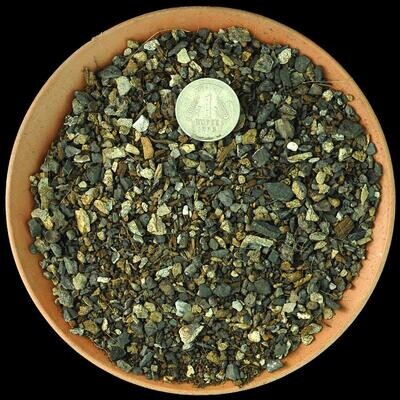
- Substrate: Requires a gritty, mineral-based mix (50% crushed lava rock or pumice, 20% coarse sand, 30% organic compost). Avoid standard garden soil which retains excessive moisture.
- Light: Thrives in bright, indirect sunlight.
In the Indian subcontinent, protect from harsh afternoon sun (12 PM – 4 PM) to prevent epidermal scorching, especially during peak summer. - Water/Dormancy: Follow a "soak and dry" method. Water deeply, then allow the substrate to dry completely. During the monsoon and winter dormancy, significantly reduce watering to prevent root rot in high humidity.
- Scientific/Historical Anecdote The parent species was originally described by the Swiss botanist Augustin Pyramus de Candolle in 1828. Interestingly, while the "Snake Cactus" is famous for its massive, white nocturnal blooms, the crested mutation focuses its energy on vegetative growth, making it a rare event to see this specific form flower—further increasing its value among specialized collectors.
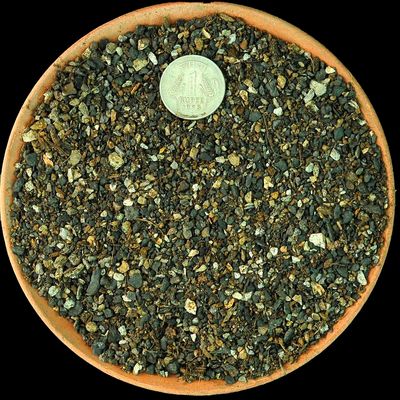
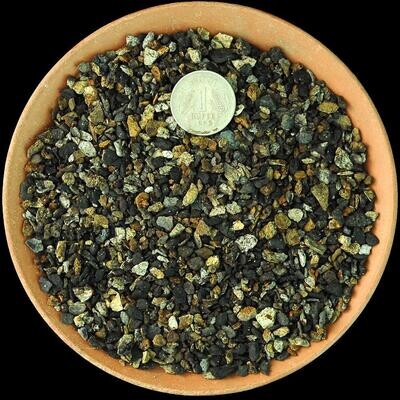
Cactus & Succulent Planting Mix COARSE (aka Cactus Soil Mix or Succulent Soil Mix)
Cactus & Succulent Planting Mix COARSE (aka Cactus Soil Mix or Succulent Soil Mix)
Washed, Free-Draining Mineral Mix for Cactus & Succulents
SKU MNS003
₹44.85
New


Monsoon Guardian Kit (5 in 1)
Monsoon Guardian Kit (5 in 1)
Complete 5-in-1 biological protection kit for cacti & succulents
SKU MNS024
₹850.00