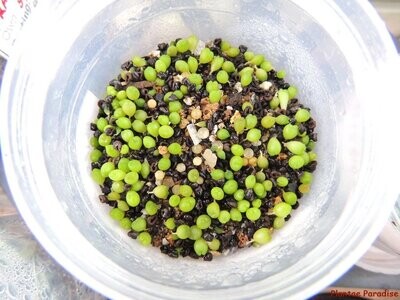
Plant only will be shipped
The Living Sculpture: Operculicarya decaryi
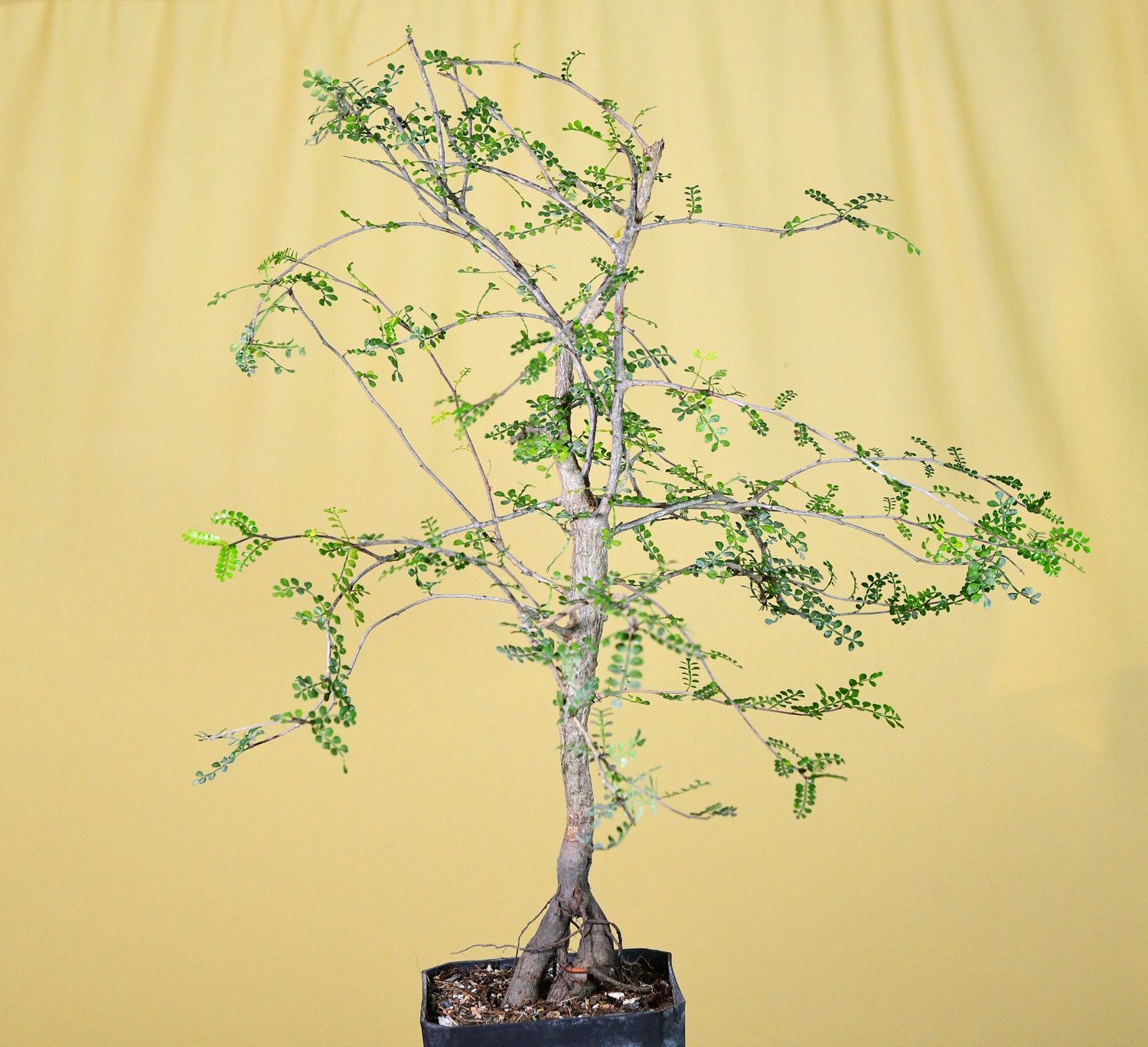
A highly coveted Madagascan pachycaul that delivers an instant, natural bonsai aesthetic through its rugged, knobby trunk and intricate branching.
1. Origin & History of Name
The genus name Operculicarya is a compound of the Latin operculum (lid) and the Greek karyon (nut), describing the unique lid-like structure found on the fruit’s endocarp. The specific epithet decaryi honors Raymond Decary, a prominent 20th-century French botanist and administrator who extensively documented the flora and ethnology of Madagascar.
2. Morphology
This dioecious pachycaul (thick-stemmed) tree is prized for its naturally swollen, warty trunk, which features a heavily tuberculate (bumpy) texture resembling elephant skin.
3. Habitat & Origin
This is a wild species endemic to the semi-arid, xerophytic spiny forests of Toliara in southwestern Madagascar. While endangered in its native habitat due to charcoal production and collection, commercially available specimens are ethically seed-grown in cultivation to ensure sustainability.
4. Cultivation Profile
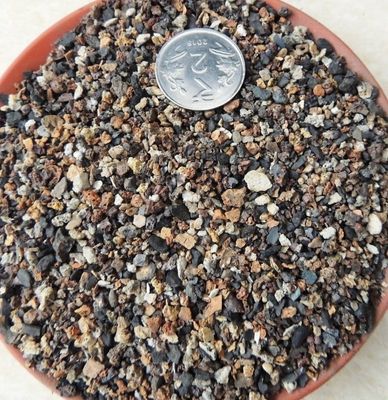
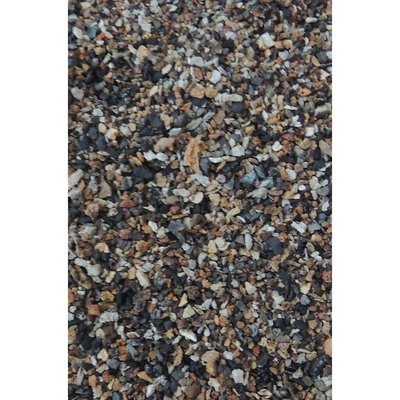
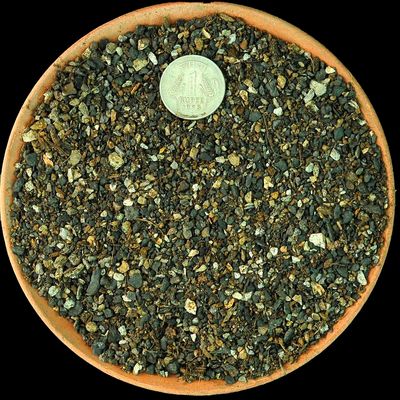
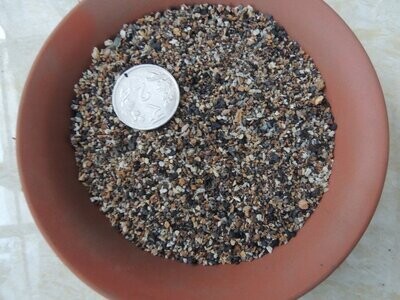
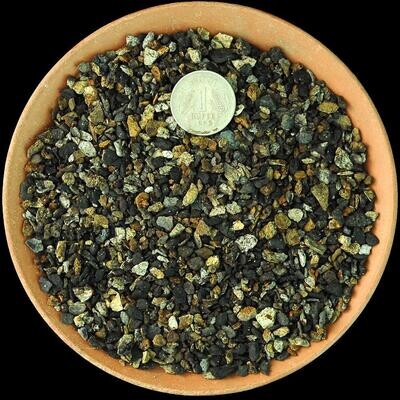
- Substrate: Requires a highly porous, mineral-heavy mix to prevent root rot in humid conditions. Use 70% inorganic grit (pumice, perlite, or coarse river sand) mixed with 30% sterile potting soil or cocopeat.
- Light: Thrives in full, direct sunlight. In the Indian climate, exposure to maximum sun encourages a thicker trunk and tighter leaf internodes; shade results in etiolated, leggy growth.
- Water & Dormancy: Water thoroughly when the soil is completely dry during the active growing season (summer). Reduce watering significantly during the winter dormancy period. Ensure protection from excess moisture during the heavy Indian monsoon season.
5. Scientific/Historical Anecdote
Despite its rugged, desert-like appearance, Operculicarya decaryi belongs to the Anacardiaceae family, making it a distant botanical relative of the Mango (Mangifera indica) and Cashew.