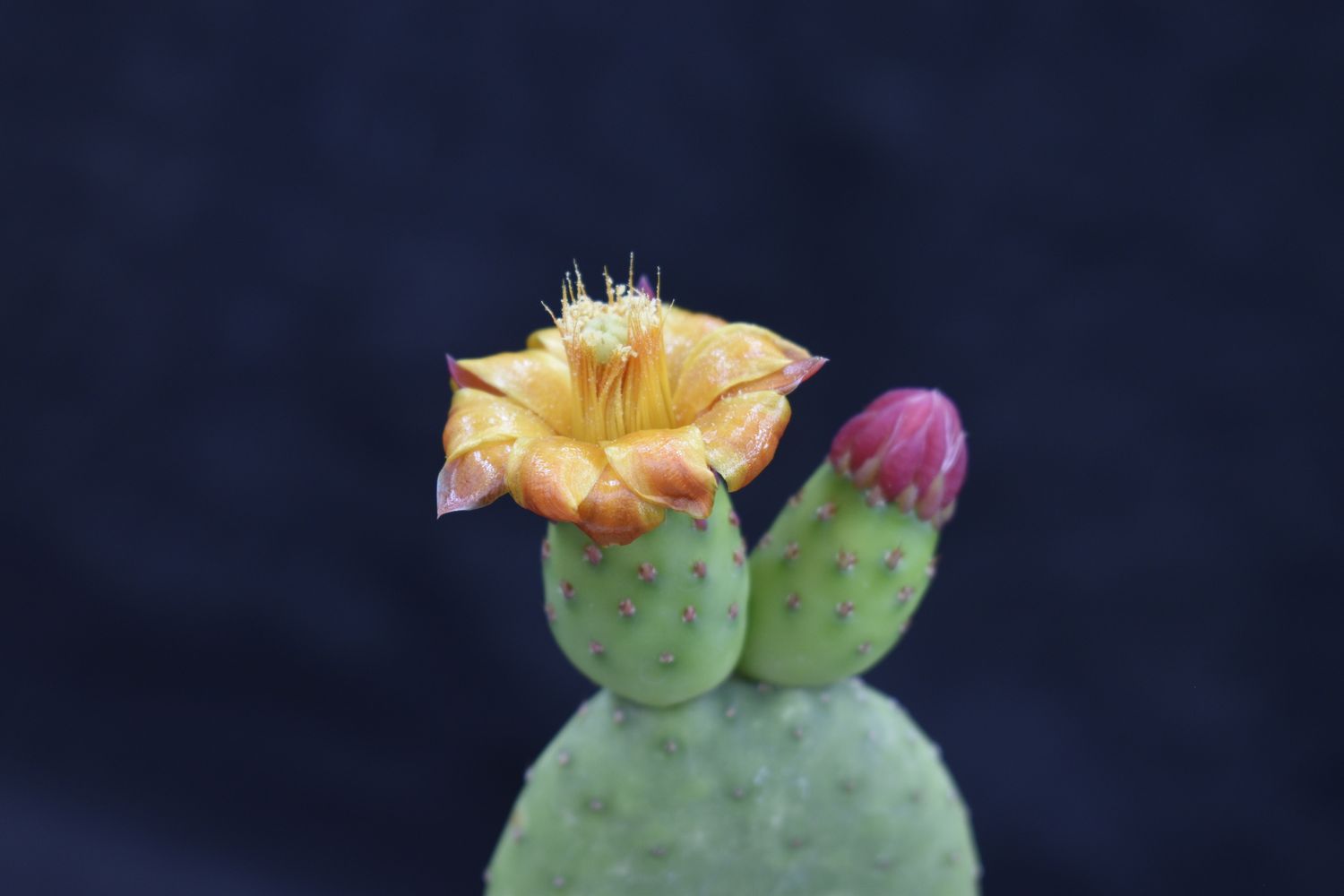
Opuntia inamoena (Tacinga inamoena)
Discover a true gem from the sun-drenched landscapes of Brazil – the Opuntia inamoena, also known by its newer classification, Tacinga inamoena. This distinctive cactus breaks the mold of typical prickly pears, offering a unique blend of elegance, vibrant coloration, and a fascinating botanical story. With its striking appearance and surprisingly delicate nature, this plant is a captivating addition for collectors seeking something truly special and a touch of the extraordinary.
1. Origin of Name
The genus name Opuntia traces its roots to "Opus," an ancient Greek city where a spiny plant, possibly a fig, was said to grow. It was adopted by Carl Linnaeus for this group of cacti with flattened stems. The alternative genus name, Tacinga, originates from a Brazilian indigenous vernacular name for certain cacti. The taxonomic reclassification of this species from Opuntia to Tacinga reflects ongoing botanical research and genetic studies that refine our understanding of plant relationships, placing this species into a genus known for its often more cylindrical or less flattened stem segments and distinct floral characteristics. The specific epithet, inamoena, is Latin for "unattractive," "unpleasant," or "unlovely." This name, likely bestowed by an early botanist who perhaps saw the plant out of bloom or failed to appreciate its subtle charms, stands in amusing contrast to the plant's often beautiful and highly sought-after ornamental qualities.
2. Origin of Plant
Opuntia inamoena (or Tacinga inamoena) is indigenous to the Caatinga biome of northeastern Brazil. This semi-arid region is characterized by thorny scrubland, dry forests, and a unique array of biodiversity adapted to periodic droughts and intense heat. It thrives in various well-draining soils, often found growing among rocks or in sandy patches. The plant's discovery is part of the extensive botanical exploration of South America's diverse ecosystems, where European naturalists and local botanists meticulously documented the continent's flora. Its unique adaptations to the harsh Caatinga environment, including its water-storing pads and protective spines, allowed it to flourish in one of Brazil's most challenging landscapes.
3. Description
The Opuntia inamoena is a truly ornamental cactus, distinguished by its flattened to somewhat cylindrical stem segments or "pads," which are often elliptic or oblong. These pads are typically a light green to bluish-green, but under stress or intense sunlight, they can develop stunning reddish, purplish, or bronze hues, particularly along the edges or tips, adding a dramatic splash of color. Unlike many Opuntia species, it is virtually spineless, or at least lacks the large, formidable spines. However, it still possesses small, hair-like, barbed glochids in its areoles, which can be irritating, so handling with care is advised. The plant forms compact, branched shrubs, typically growing to a height of 30-60 cm (1-2 feet) and spreading outwards. Its flowers are a sight to behold: bright yellow to orange-yellow, appearing in clusters from the upper edges of the pads, adding cheerful pops of color. These are followed by edible, often reddish fruits, which are a further ornamental attraction.
4. Conservation Status
As of recent assessments, Opuntia inamoena (under its former classification) is often listed as Least Concern on the IUCN Red List of Threatened Species, indicating that its wild populations are currently stable and widespread enough not to be considered immediately threatened. However, its natural habitat, the Caatinga biome, faces ongoing threats from deforestation, agricultural expansion, and climate change. While the species as a whole may not be critically endangered, localized populations can still be vulnerable. Responsible cultivation and sourcing from reputable nurseries help to reduce pressure on wild plants and support the conservation of this unique Brazilian cactus.
5. Care
Caring for Opuntia inamoena is relatively straightforward, making it an accessible and rewarding cactus for many enthusiasts.
- Watering: Water thoroughly during the growing season (spring and summer) when the soil is completely dry to the touch. It appreciates slightly more consistent moisture than some desert cacti but cannot tolerate wet feet. Reduce watering significantly in autumn and keep it largely dry during its winter dormancy.
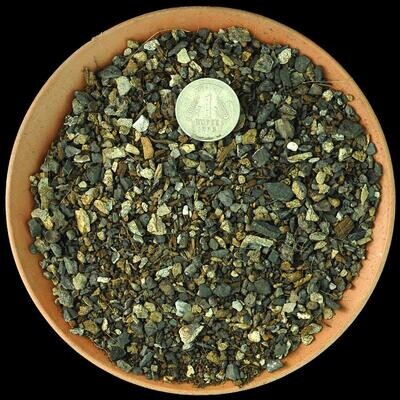
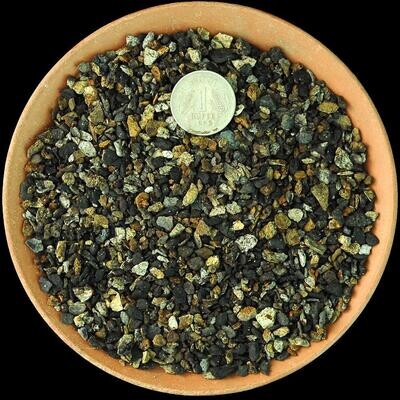
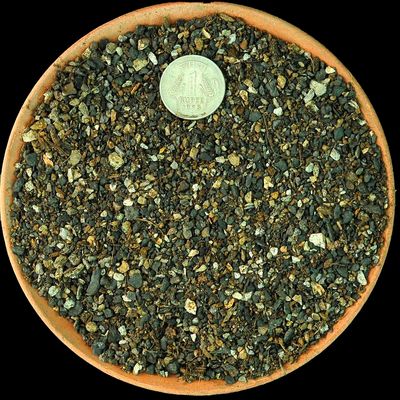
- Soil: Requires an extremely well-draining, gritty cactus and succulent mix. A blend high in inorganic materials like pumice, perlite, and coarse sand (e.g., 70-80% inorganic) is crucial to prevent root rot.
- Light: Provide full sun to bright light. It thrives in several hours of direct sunlight daily, which is essential for compact growth and to bring out its beautiful stress colors. In very hot climates, some afternoon shade can prevent scorching.
- Temperature: Prefers warm to hot temperatures during its active growth. It is not frost-tolerant and must be protected from temperatures below 5°C (41°F).
- Tips: Handle with care to avoid glochids. Provide good air circulation. Fertilize sparingly with a low-nitrogen cactus fertilizer during the growing season. Repotting is generally needed every 2-3 years, or when the plant outgrows its container.
6. Engaging Anecdote
The most intriguing aspect of Opuntia inamoena is arguably its Latin name, "inamoena," meaning "unattractive." It's a botanical misnomer that speaks volumes about the subjective nature of beauty and the differing perspectives of early naturalists. For anyone who has seen this cactus in full, colorful splendor – its pads blushing deep red or purple under the sun, adorned with cheerful yellow blooms – the name is ironically amusing. Perhaps the botanist who named it encountered a sad, dormant specimen, or simply didn't possess the aesthetic appreciation for the subtle, rugged beauty of the Caatinga's flora. This little plant, defying its "unlovely" label, is a testament to the fact that true beauty often lies in unique forms, vibrant resilience, and the fascinating stories behind them. It serves as a humorous reminder that even in scientific classification, there can be a touch of human oversight, making its charm all the more endearing to those who appreciate its exquisite qualities.