Origin of Name
The genus name "Opuntia" originates from the Ancient Greek city of Opus, where, according to Theophrastus, an edible plant grew which could be propagated from cuttings. The species name "leptocaulis" derives from Greek, with 'lepto' meaning slender and 'caulis' meaning stem, referring to the plant's thin, stick-like appearance. Together, the name describes a key characteristic of this cactus: its slender, twiggy stems.
Technical Description of Plant
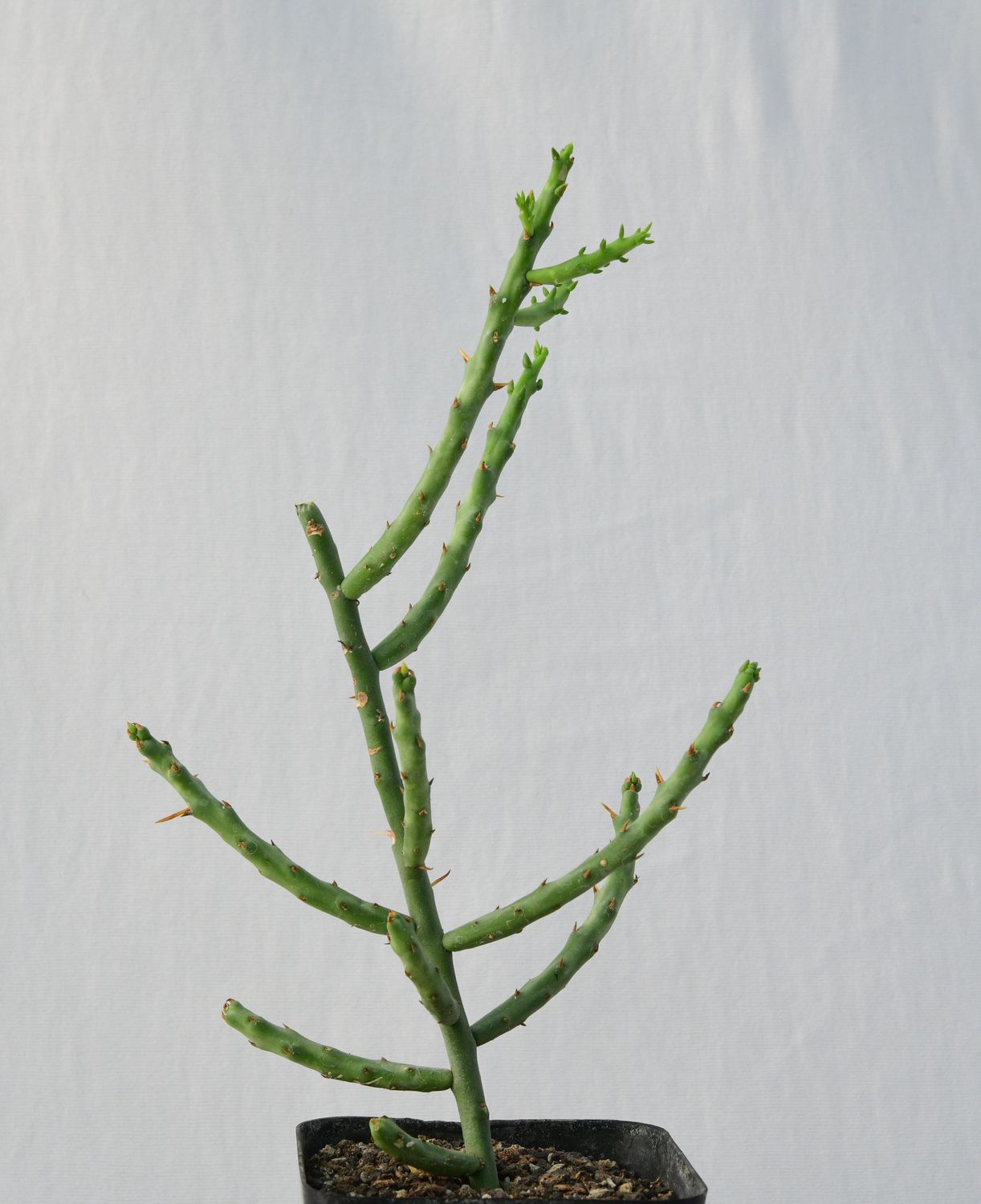
Opuntia leptocaulis is characterized by its thin, green, cylindrical stems that grow in a dense, tangled mass, reaching up to 3 feet in height. Unlike many other cacti, its segments are not flattened but are instead round and pencil-like, giving rise to the common name Pencil Cholla. Small, inconspicuous spines and areoles dot the stems, and it produces tiny, yellow flowers that bloom in late spring to early summer, followed by small, red berries that resemble little Christmas decorations, hence the name "Desert Christmas Cactus." The berries remain on the plant well into the winter, providing a festive splash of color.
Origin of Plant
Native to the southwestern United States and northern Mexico, Opuntia leptocaulis thrives in desert and arid environments. It is adapted to survive in harsh conditions, making it a symbol of endurance and resilience in the face of adversity.
Conservation Status
Opuntia leptocaulis is considered to be of least concern regarding conservation status. It is widespread and abundant in its native range, facing no significant threats. However, habitat destruction and the illegal collection of plants can pose risks to local populations.
Care Instructions
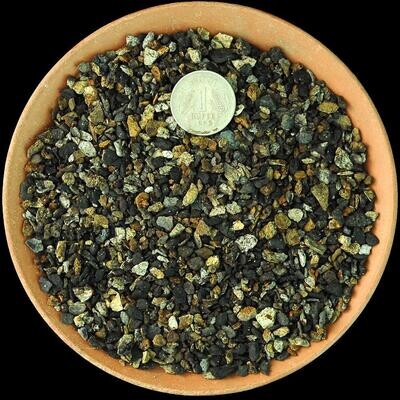
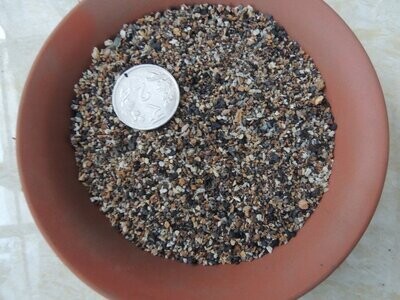
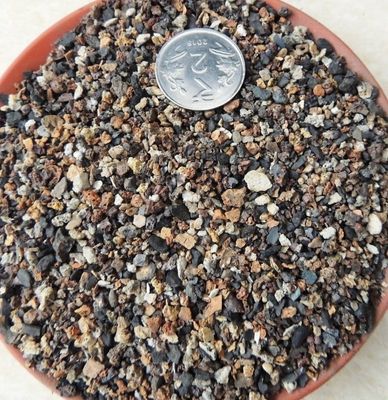
Opuntia leptocaulis is well-suited for xeriscaping and requires minimal care once established. It prefers full sun exposure and well-draining soil to prevent root rot. Water sparingly, allowing the soil to dry completely between watering sessions, and reduce watering in the winter. This cactus is cold-hardy to a point but should be protected from extreme cold and frost. It can be propagated easily from stem cuttings, making it simple to expand your collection or share with fellow enthusiasts.