Origin of Name
Opuntia microdasys, commonly known as the Bunny Ear Cactus or Polka-Dot Cactus, derives its name from its distinctive appearance. The genus name 'Opuntia' is a reference to the Ancient Greek city of Opus, where a similar-looking plant was said to grow, while 'microdasys' translates to 'small and hairy' in Greek, describing the cactus's small, hair-like glochids. The variety 'Red/Brown glochids' specifically refers to the coloration of these tiny spines.
Technical Description of Plant
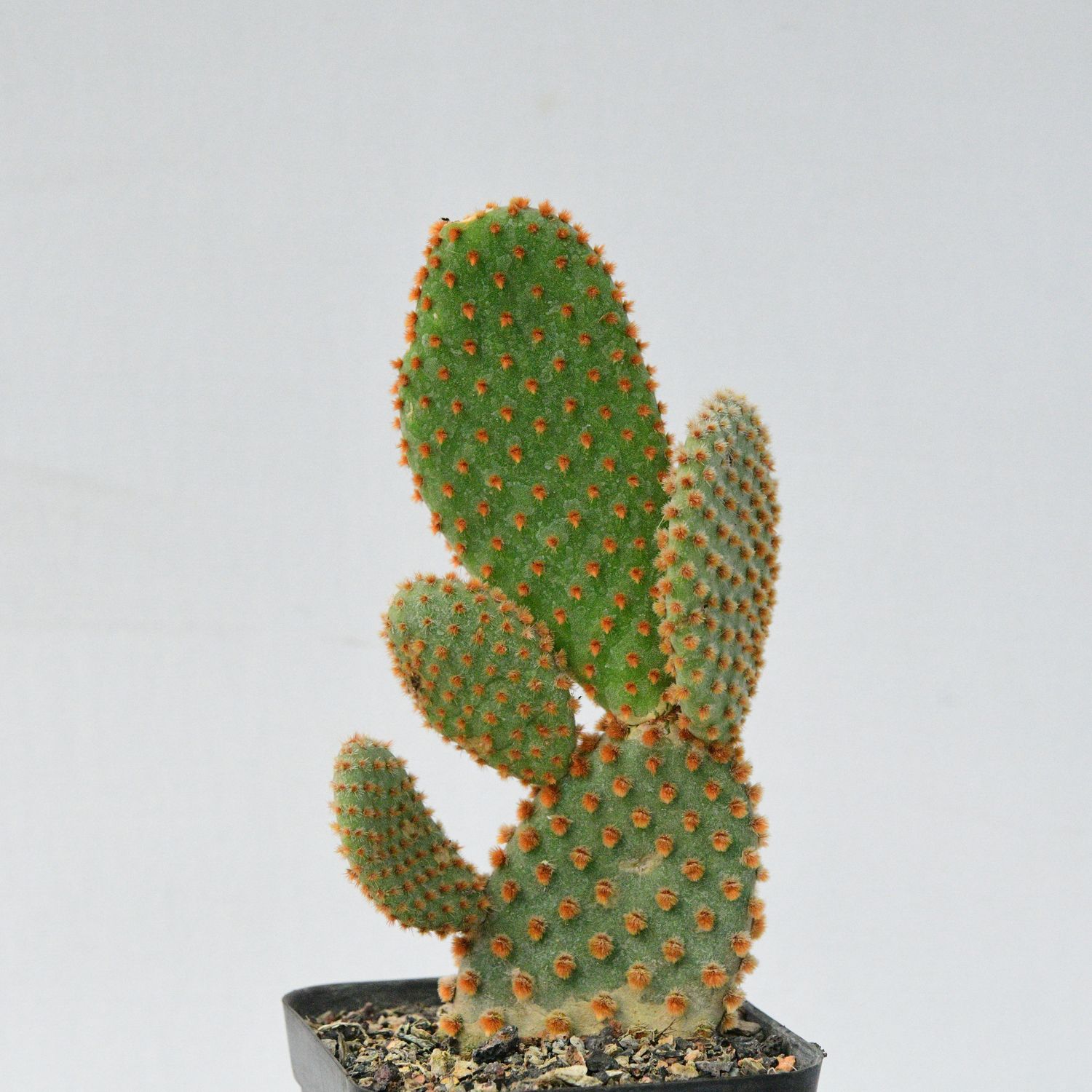
Opuntia microdasys 'Red/Brown glochids' is a branching cactus, typically forming a clump of pad-like segments. These segments are green and oval-shaped, resembling rabbit ears, hence the common name. The cactus is covered in small, dot-like glochids, which are tiny, barbed spines that can easily detach and irritate the skin. The unique feature of this variety is the red or brown coloration of the glochids, providing a striking contrast against the green pads. This variety rarely blooms and is primarily grown for its distinctive foliage.
Origin of Plant
Native to Mexico, Opuntia microdasys thrives in desert climates and arid environments. Its natural habitat has influenced its adaptations, such as water storage in fleshy pads and a prickly exterior for deterrence against herbivores.
Conservation Status
As of the latest update, Opuntia microdasys does not have a specific conservation status and is not listed as endangered or vulnerable. However, all cactus species are subject to regulation under CITES.
Care instructions
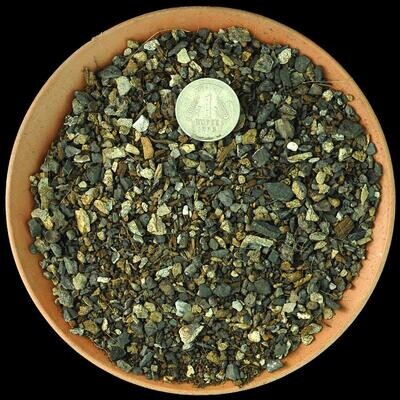
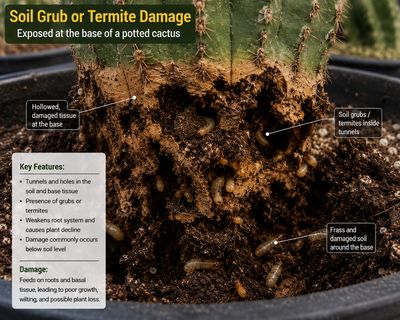
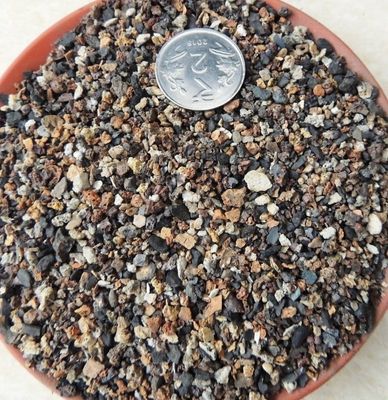
Opuntia microdasys 'Red/Brown glochids' requires well-draining soil and a sunny location to thrive. It prefers bright light but should be acclimated gradually to full sun to avoid sunburn. Water moderately during the growing season and allow the soil to dry out completely between waterings. In winter, reduce watering significantly. The cactus is not frost-tolerant and should be protected from freezing temperatures. Handle with care to avoid contact with the glochids, which can cause skin irritation. Regular inspection for pests and diseases, along with proper watering, will ensure the health and vibrancy of this unique cactus.