

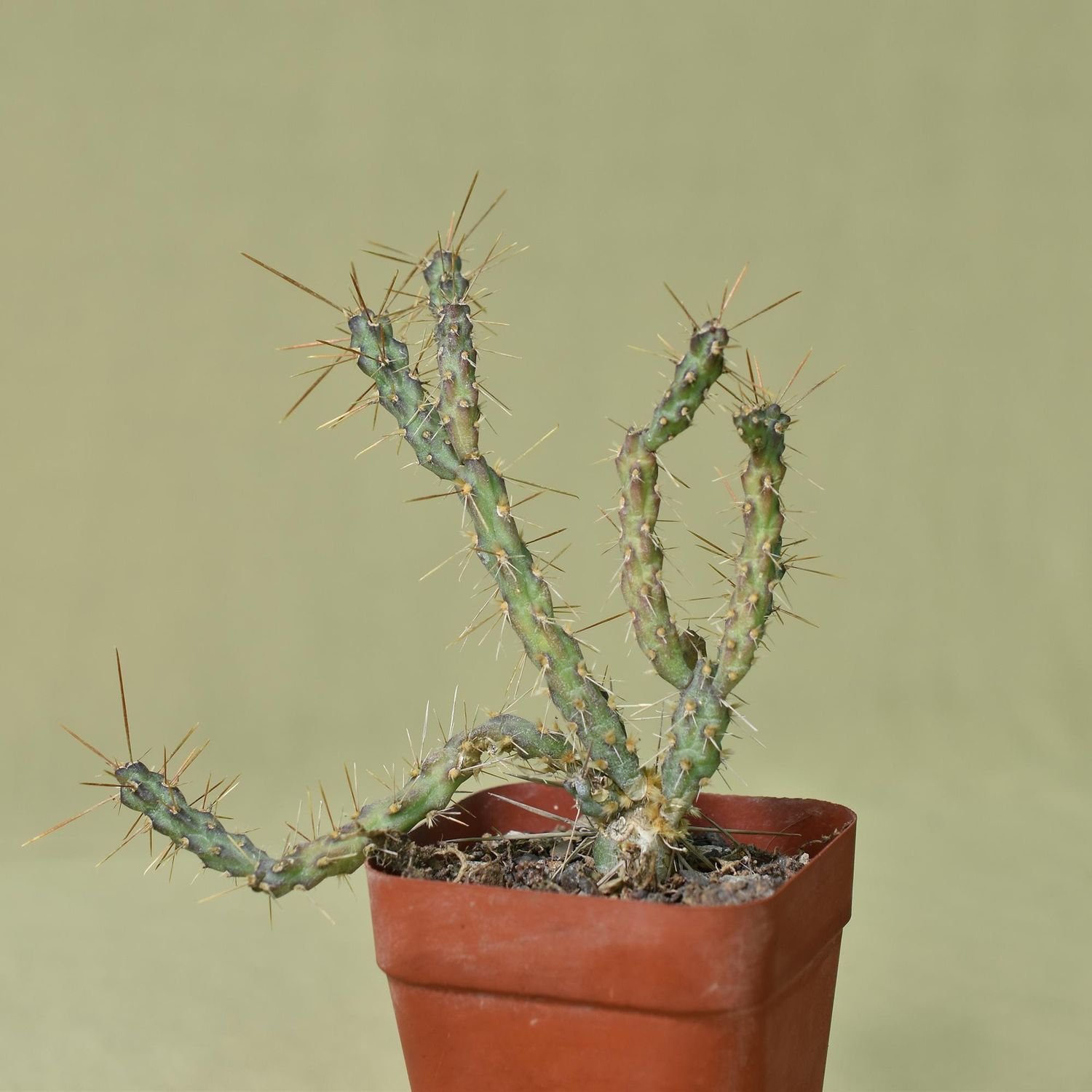
Opuntia molesta
Product Details
Fierce Elegance: Opuntia molesta
A formidable architectural rarity, this cactus is a prized acquisition for collectors who appreciate the bold, structural intensity of the Baja wilderness.
- Origin & History of Name: The name Opuntia is derived from the ancient Greek city of Opus, where succulent plants were said to grow.
- Morphology: This species is characterized by its cylindrical, elongated stem segments (cladodes) rather than flat pads. The epidermis is a muted grey-green, featuring prominent tubercles (bumps) arranged in a loose spiral. Its most striking feature is the areoles which produce long, sheathed spines that glisten in the sun, creating a silver-white halo effect around the plant’s structural frame.
- Habitat & Origin: Opuntia molesta is a wild species endemic to the Baja California peninsula in Mexico.
- Cultivation Profile:
- Substrate: Requires a strictly mineral-based mix. Use a ratio of 70% inorganic grit (crushed brick, pumice, or perlite) and 30% organic compost.
- Light: Needs Full Sun. In the Indian subcontinent, it thrives in direct outdoor light; however, provide 20% shade cloth during extreme May-June heatwaves to prevent epidermal scorching.
- Water/Dormancy: Follow a "soak and dry" method. Water deeply during the monsoon and summer growth phases, but maintain a strict dry dormancy from November to February to mimic the Baja cool season.
- Scientific/Historical Anecdote: While most Opuntia are known for the "Prickly Pear" fruit, O. molesta belongs to a group of cacti that evolved "jumping" tendencies. The spines are equipped with microscopic, backward-facing barbs. These are so effective at anchoring into passing animals that the plant uses "hitchhiking" as its primary method of asexual reproduction—broken segments travel miles away before dropping off to root in new soil.
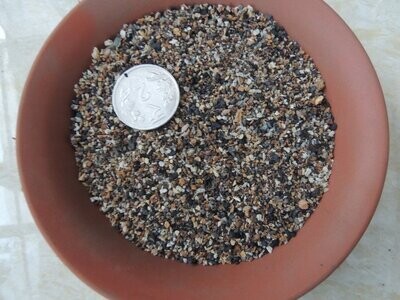
Cactus Seed Planting Mix
Cactus Seed Planting Mix
Sterile, Fine-Grain Media for Cactus & Succulent Seeds
SKU MNS005
₹66.35
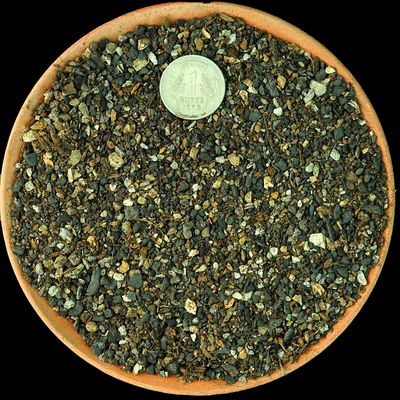
New
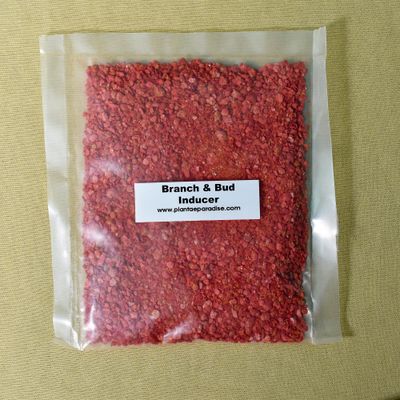
Branch & Bud Inducer 200gm
Branch & Bud Inducer 200gm
Flowering Booster for Plants | Branch & Bud Inducer
SKU MNS018
₹355.00
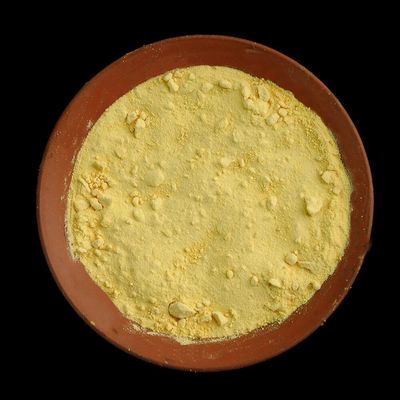
Soya Power Pack Amino acid Soya based 80% purity 800gm
Soya Power Pack Amino acid Soya based 80% purity 800gm
Premium Soya-Based Amino Acid Plant Booster for Stronger Roots, Greener Growth & Stress-Resistant Plants
SKU MNS009
₹315.00