Origin of Name
The genus name "Opuntia" is derived from the Ancient Greek city of Opus, where, according to Theophrastus, an edible plant grew that could be propagated by rooting its leaves. "Monacantha" comes from the Greek words 'mono,' meaning single, and 'akantha,' meaning spine, referring to the plant's tendency to have solitary spines. The 'f. variegata' indicates a form (forma) with variegation in its foliage.
Technical Description of Plant
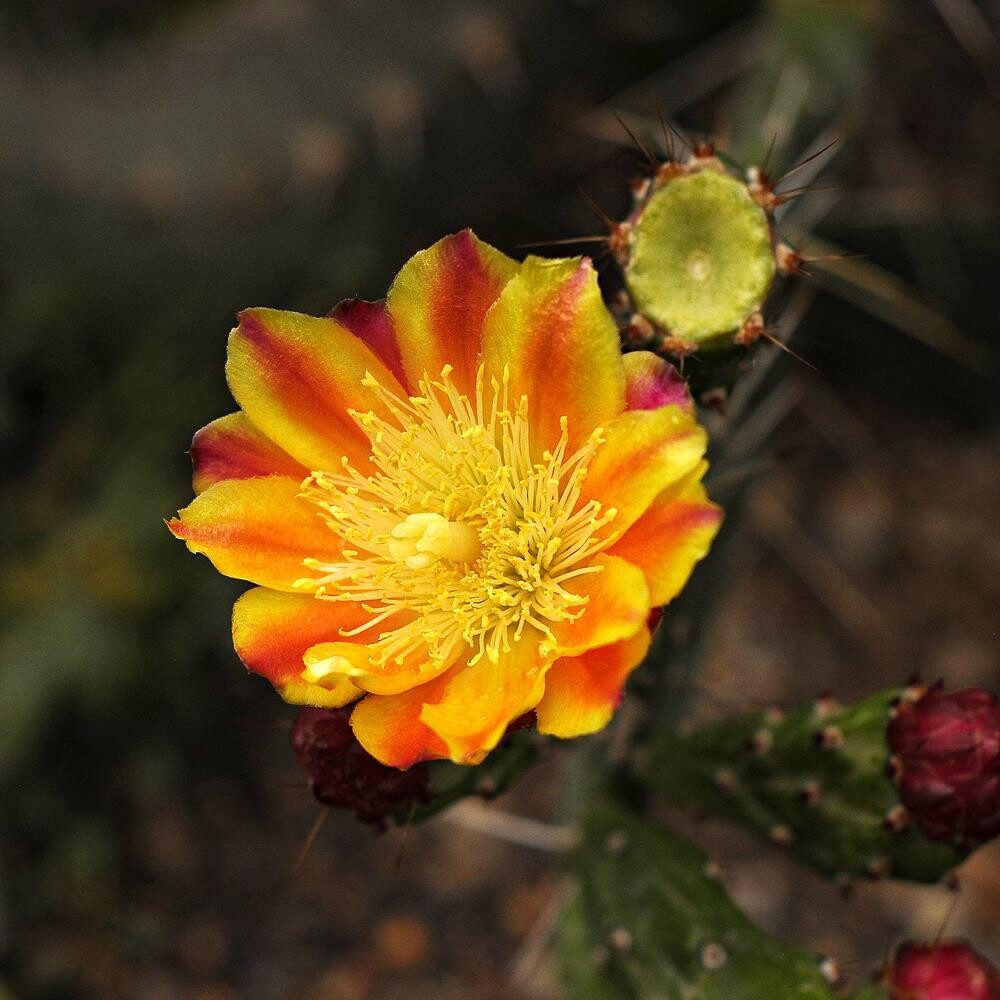
Opuntia monacantha f. variegata is characterized by its striking variegated pads that display a mix of green, yellow, and sometimes pink colors. The pads are flat and broad, typical of prickly pears, and are covered with areoles from which emerge single or few spines. The variegation in each pad can vary, making every segment unique. This cactus can grow upright and branch out, reaching heights of up to several feet. It blooms with yellow flowers in spring or early summer, adding to its ornamental appeal.
Origin of Plant
This variegated form of Opuntia monacantha is a cultivated variety and does not occur naturally in the wild. The species itself, Opuntia monacantha, is native to South America, specifically Brazil, Uruguay, and Argentina, where it thrives in subtropical environments.
Conservation Status
Opuntia monacantha is not listed as a threatened species. The variegated form is primarily grown for ornamental purposes and is propagated in cultivation. However, the widespread cultivation and popularity of this plant do not directly influence the conservation status of the species in the wild.
Care Instructions
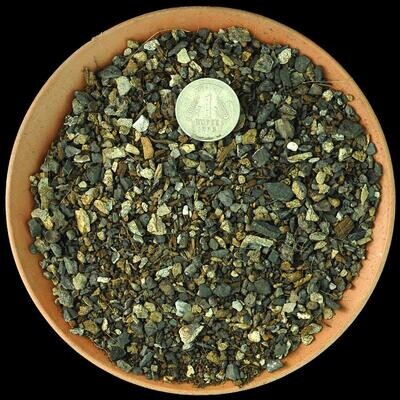
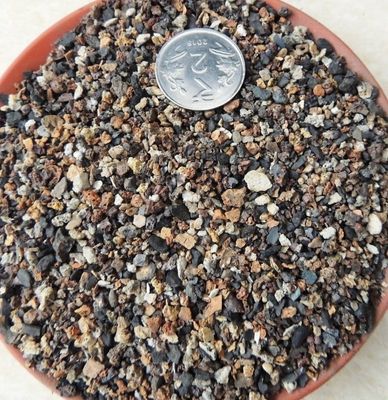
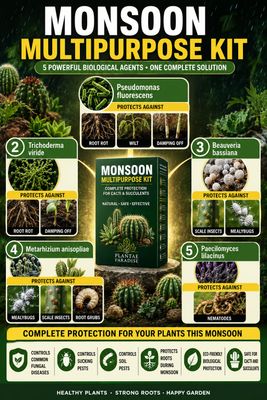
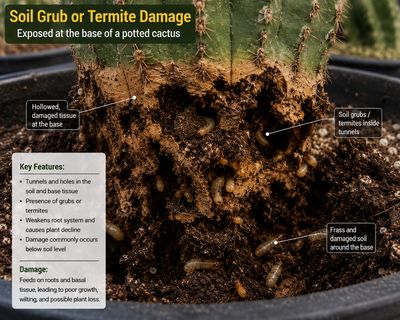
Opuntia monacantha f. variegata requires a sunny location to maintain its vibrant variegation. It prefers well-draining soil and can tolerate drought, making it a low-maintenance choice for cactus enthusiasts. Water moderately during the growing season and reduce watering in the winter. Being frost-sensitive, it should be protected from freezing temperatures. The plant can be prone to cochineal scale insects, so regular inspections are recommended. Fertilize lightly during the growing season for optimal growth.