Opuntia polycantha var erinacea ursina
Product Details
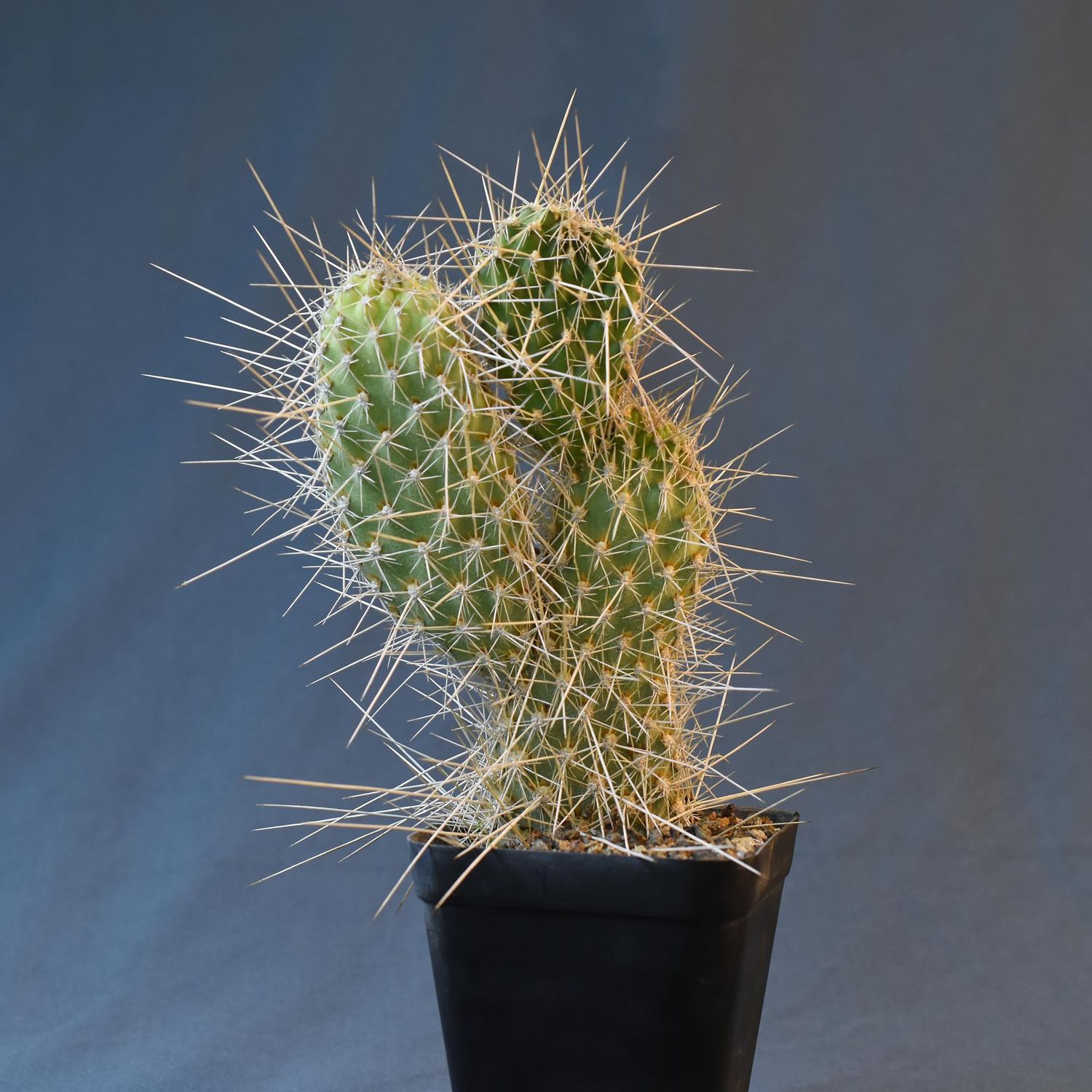
The "Grizzly Bear" Cactus: Opuntia polyacantha var. erinacea ursina
Own a piece of botanical history with the most densely spined, white-furred marvel of the high desert.
- Origin & History of Name: The name is derived from the Greek poly (many) and akantha (spine), referencing its armor. The varietal name erinacea means "hedgehog-like," while the sub-varietal ursina translates to "bear-like." It was famously dubbed the "Grizzly Bear Cactus" in the early 20th century by collectors captivated by its long, flexible, hair-like spines that resemble animal fur.
- Morphology: This variety is distinguished by its flattened, obovate cladodes (pads) which are entirely obscured by an exceptionally dense epidermis of flexible, white radials. Unlike typical rigid spines, the ursina variant produces hair-like bristles that can reach up to 10cm in length. In spring, it produces vibrant flowers, typically in shades of yellow or magenta, providing a stark contrast to the white "fur."
- Habitat & Origin: This is a naturally occurring wild variety native to the high-altitude Mojave Desert and Great Basin regions of the Southwestern United States. It is a cold-hardy species adapted to extreme temperature fluctuations. Our specimens are nursery-propagated to ensure the protection of wild populations and environmental sustainability.
- Cultivation Profile:
- Substrate: Requires a strictly mineral-based mix (70% grit/pumice, 30% organic matter). Avoid standard garden soil which retains excessive moisture in Indian humidity.
- Light: Full, direct sun is mandatory to maintain the density and whiteness of the spines. In tropical Indian summers, provide slight overhead shading only during peak afternoon heat to prevent scorching.
- Water/Dormancy: Highly drought-tolerant. Water thoroughly only when pads show slight shriveling. In India, maintain a strict dry dormancy during the monsoon and winter months to prevent root rot.
- Scientific/Historical Anecdote: The "Grizzly Bear" was once a centerpiece of early California "cactus gardens" in the 1920s. Scientifically, its long, white spines are an evolutionary marvel of thermoregulation; they create a dead-air space around the pad's surface, acting as a natural "sweater" that protects the plant from both freezing alpine nights and intense desert UV radiation.
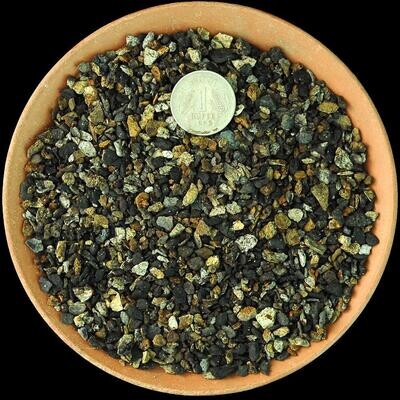
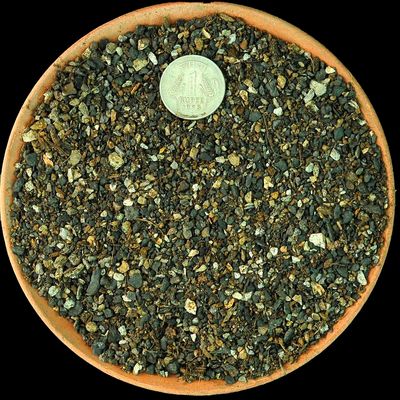
Cactus & Succulent Planting Mix COARSE (aka Cactus Soil Mix or Succulent Soil Mix)
Cactus & Succulent Planting Mix COARSE (aka Cactus Soil Mix or Succulent Soil Mix)
Washed, Free-Draining Mineral Mix for Cactus & Succulents
SKU MNS003
₹44.85
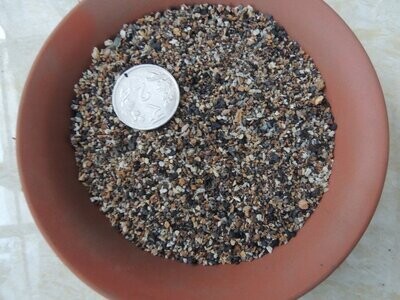
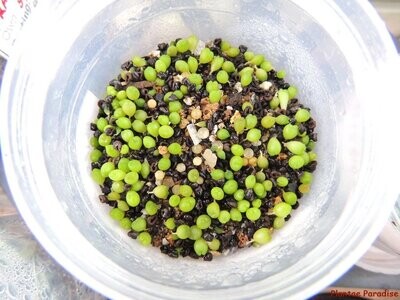
Cactus Seed Planting Mix
Cactus Seed Planting Mix
Sterile, Fine-Grain Media for Cactus & Succulent Seeds
SKU MNS005
₹74.85
New
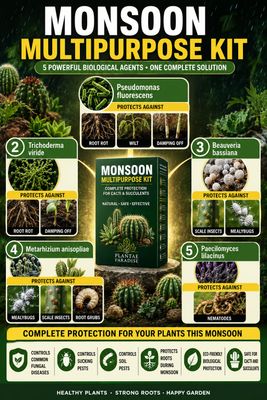
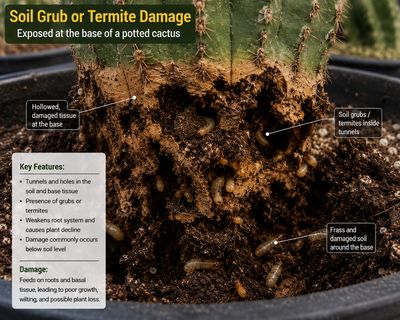
Monsoon Guardian Kit (5 in 1)
Monsoon Guardian Kit (5 in 1)
Complete 5-in-1 biological protection kit for cacti & succulents
SKU MNS024
₹850.00