

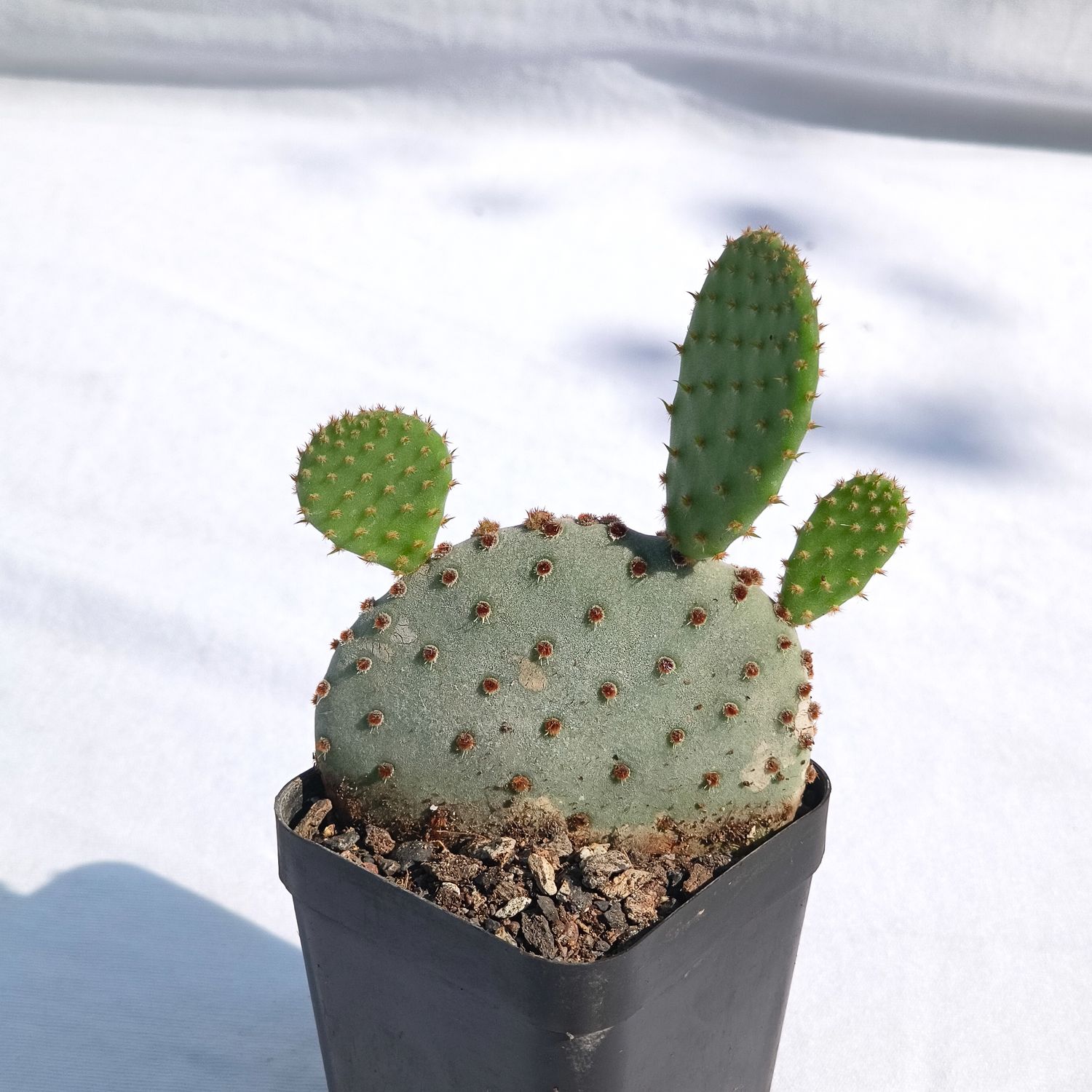
Opuntia rufida
Product Details
Velvet Geometric Texture: Opuntia rufida
A sophisticated desert specimen prized for its uniform, cinnamon-colored glochids and striking blue-green cladodes.
- Origin & History of Name: The genus name Opuntia is derived from the Ancient Greek name used by Theophrastus for a succulent plant found near the city of Opus.
- Morphology: This cactus is characterized by its cladodes—flattened, succulent stem segments that perform photosynthesis.
- Habitat & Origin: Opuntia rufida is a wild species native to the Chihuahuan Desert, spanning the Rio Grande region of Texas and Northern Mexico.
- Cultivation Profile:
- Substrate: Requires a coarse, mineral-based mix with high porosity. Use a blend of coarse river sand, grit, and volcanic rock to ensure rapid drainage, especially during the Indian monsoon.
- Light: Thrives in direct, unfiltered sunlight.
- Water/Dormancy: Water deeply only when the substrate is completely dry. In winter, the plant undergoes a period of quiescence; reduce watering to once a month or less to prevent root rot, as the plant’s metabolism slows significantly in cooler temperatures.
- Scientific/Historical Anecdote: Opuntia rufida is famously known as the "Blind Prickly Pear."
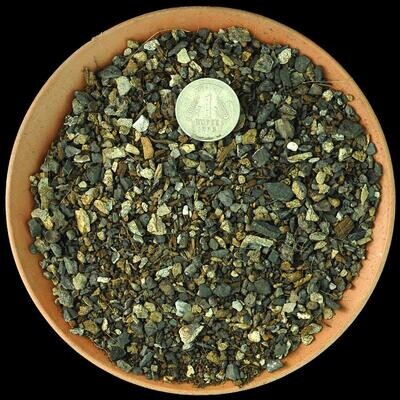
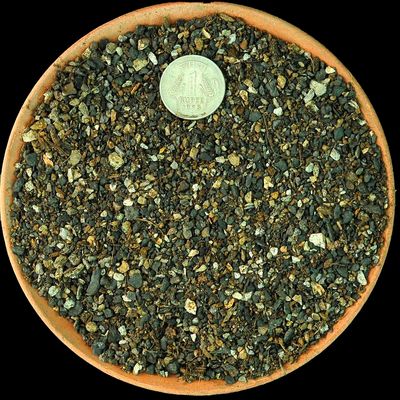
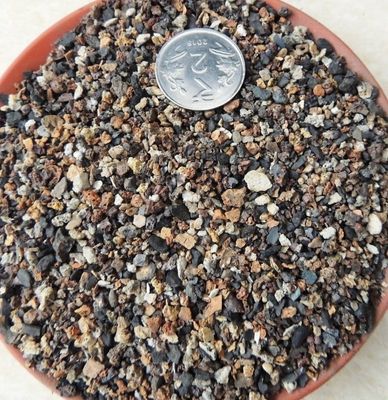
Cactus & Succulent Planting Mix FINE (aka Cactus Soil Mix or Succulent Soil Mix)
Cactus & Succulent Planting Mix FINE (aka Cactus Soil Mix or Succulent Soil Mix)
Fine-Grain Potting Mix for Cactus & Succulent Roots
SKU MNS001
₹35.51
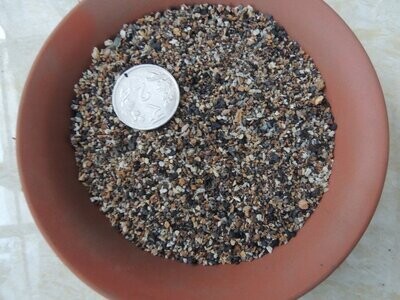
Cactus Seed Planting Mix
Cactus Seed Planting Mix
Sterile, Fine-Grain Media for Cactus & Succulent Seeds
SKU MNS005
₹70.51