Orbea carnosa subsp. keithii
Unveil a plant that masterfully blurs the lines between flora and fascinating mimicry – the Orbea carnosa subsp. keithii. This remarkable succulent, a true jewel of Southern Africa, captivates with its uniquely textured stems and, most notably, its exquisitely patterned, often alluringly scented flowers. A rare find that embodies both rugged beauty and intricate detail, this Orbea promises to be a conversation starter and a prized specimen in any collection.
1. Origin of Name
The genus name, Orbea, is derived from the Latin word "orbis," meaning "circle" or "sphere." This likely refers to the distinctive circular annulus (a raised ring or disc) found in the center of the flowers of many species within this genus, or perhaps the overall rounded, clumping growth habit of the plants. The genus Orbea was segregated from the larger and more diverse genus Stapelia as botanical research refined classification based on genetic and morphological distinctions. The specific epithet, carnosa, is Latin for "fleshy" or "flesh-colored," aptly describing the succulent stems and the often reddish-brown or purplish hues found in its flowers, which sometimes resemble raw meat – a characteristic shared by many of its relatives in the "carrion flower" group. The subspecific epithet, keithii, honors Douglas Keith, a notable South African botanist and plant collector who made significant contributions to the understanding of the region's flora. His dedicated work led to the discovery or significant study of this particular variant, solidifying its place in botanical nomenclature.
2. Origin of Plant
Orbea carnosa subsp. keithii is native to the dry, warm regions of Southern Africa, specifically found in parts of South Africa (e.g., Limpopo and Mpumalanga provinces) and Eswatini (formerly Swaziland). Its natural habitat includes rocky outcrops, savanna bushveld, and grasslands, where it typically grows in partial shade, often nestled under shrubs, grasses, or within rock crevices. This protective positioning helps shield it from the harshest sun and allows it to thrive in well-drained, often gritty soils. The discovery and documentation of this subspecies are linked to the extensive botanical explorations of Southern Africa, a region renowned for its incredible diversity of succulent plants. Collectors and botanists like Douglas Keith played a crucial role in bringing these unique species to scientific attention, mapping their distribution, and understanding their ecological adaptations to their specific, often challenging, environments.
3. Description
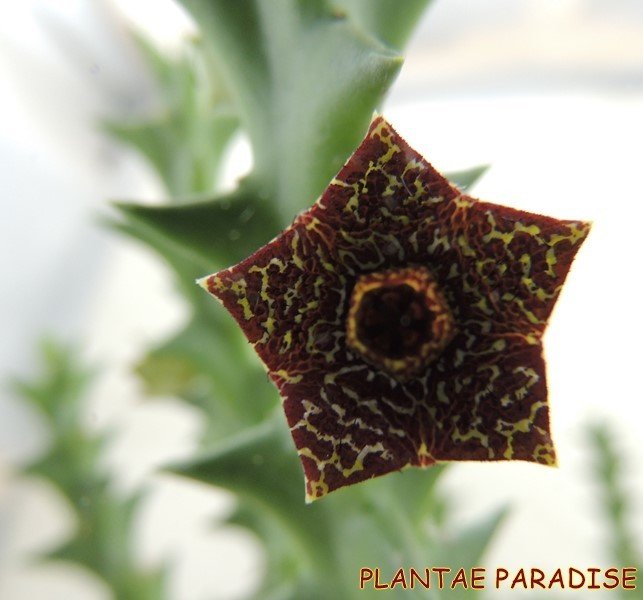
The Orbea carnosa subsp. keithii is a charmingly compact and sprawling succulent, forming dense mats or low clumps of fascinating, four-angled stems. These fleshy stems are typically a grayish-green to purplish-green, often adorned with small, soft, tooth-like projections along their ridges. Each stem usually measures between 5-15 cm (2-6 inches) in length, creating an intricate texture even without flowers. However, the true spectacle of this plant unfolds with its extraordinary flowers. Emerging from the base of the stems, these star-shaped, five-lobed blooms are a complex blend of fleshy colors. They often feature a base color of deep reddish-brown to maroon, richly mottled or patterned with creamy yellow, pale green, or even intricate dark lines. The central annulus (raised ring) is typically prominent and beautifully patterned, adding depth to the flower's appearance. While visually stunning, be aware that, like many Stapeliads, the flowers produce a faint carrion-like scent (especially on warmer days or up close) to attract their natural pollinators: flies.
4. Conservation Status
As a species, Orbea carnosa is generally considered to be of Least Concern on the IUCN Red List of Threatened Species, indicating that its wild populations are currently stable and widespread enough not to be immediately threatened. However, subspecies like Orbea carnosa subsp. keithii, with potentially more restricted geographical ranges or specific habitat requirements, can be more vulnerable to localized threats. These threats include habitat degradation due to agricultural expansion, urbanization, and illegal collection for the horticultural trade. Responsible sourcing from cultivated specimens helps to reduce pressure on wild populations and supports the conservation of this unique succulent and its fragile ecosystem.
5. Care
Caring for Orbea carnosa subsp. keithii is straightforward, making it a rewarding plant for succulent enthusiasts.
- Watering: Water thoroughly during the growing season (spring and summer), allowing the soil to dry out completely between waterings. Reduce watering significantly in autumn and keep it almost entirely dry during its winter dormancy. Overwatering is the most common cause of rot.
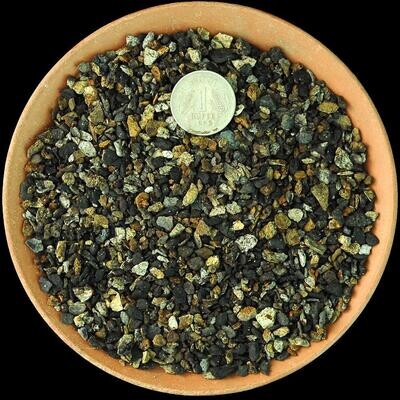
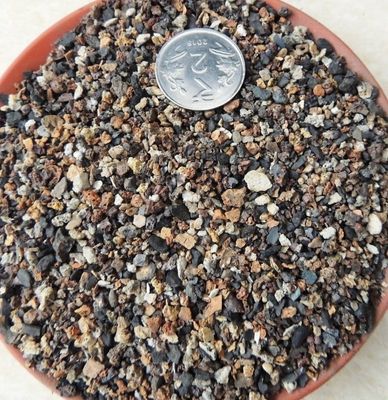
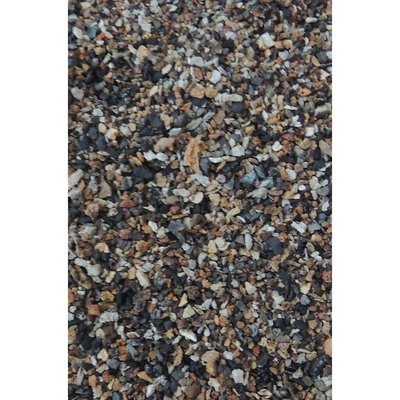
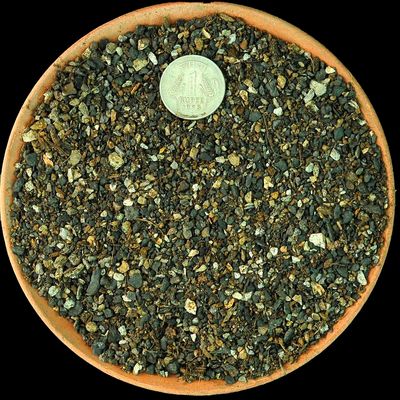
- Soil: Requires an extremely well-draining, gritty cactus and succulent mix. A blend with a high proportion of inorganic materials like pumice, perlite, and coarse sand (e.g., 70-80% inorganic) is ideal to prevent waterlogging.
- Light: Provide bright indirect light to partial sun. While it can tolerate some direct morning sun, intense afternoon sun, especially in hot climates, can cause the stems to redden or scorch. Good light is crucial for abundant flowering.
- Temperature: Prefers warm temperatures during its active growth. It is not frost-tolerant and must be protected from temperatures below 5°C (41°F).
- Tips: Ensure excellent air circulation to prevent fungal issues. Fertilize sparingly with a balanced, low-nitrogen cactus fertilizer during the peak growing season. It thrives in shallow pots, which mimic its natural growth habit among rocks.
6. Engaging Anecdote
The genus Orbea, and its relatives in the Stapeliad group, are masters of a bizarre yet brilliant evolutionary strategy: pollination by deception. While many flowers lure insects with sweet nectar, Orbea carnosa subsp. keithii and its kin employ a far more unconventional approach. Their fleshy, often mottled flowers are not only designed to visually mimic decaying flesh (often complete with fine hairs resembling mold or insect larvae), but they also emit a subtle, yet distinct, carrion-like odor. This powerful olfactory illusion attracts flies, particularly blowflies, which are searching for rotting organic matter to lay their eggs. The flies are tricked into visiting the flower, inadvertently picking up pollen or depositing it as they investigate, thus ensuring the plant's reproduction. This ingenious and somewhat grotesque strategy is a fascinating testament to nature's boundless creativity and the intricate co-evolutionary dance between plants and their specialized pollinators. Owning an Orbea carnosa subsp. keithii is like having a living science experiment, a beautiful and slightly mischievous reminder of the wild and wonderful ways life finds to thrive.