

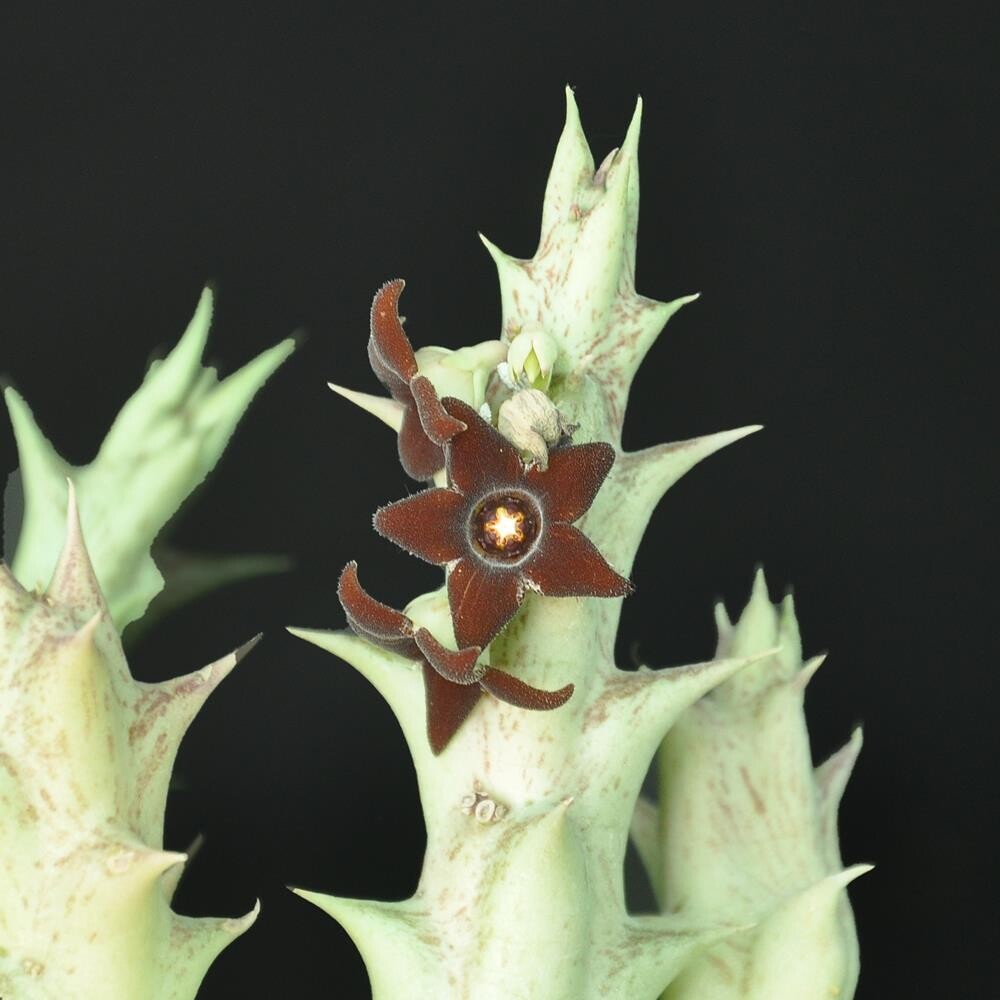
Orbea decaisneana ssp. hesperidum
Product Details
Dark Jewel of Morocco: Orbea decaisneana ssp. hesperidum
A rare, succulent treasure featuring midnight-purple, star-shaped blooms that command attention in any collection.
- Origin & History of Name: The genus name Orbea is derived from the Latin orbis, referring to the prominent raised ring (annulus) at the center of the flowers.
The subspecies name hesperidum translates to "of the Hesperides," referencing the mythical "Islands of the Blest" or the "Garden of the Hesperides," which ancient Greeks associated with the Atlantic coast of Morocco where this plant was discovered. It was formally described in the early 20th century as part of the diverse Stapeliad group. - Morphology: This succulent features decumbent, four-angled stems with a matte, grey-green epidermis often mottled with purple spots under high light. Unlike many succulents, it lacks true leaves; instead, it possesses prominent tubercle teeth along the costae (ribs). Its most striking feature is the rugose, five-lobed corolla, which is a deep maroon to near-black color, textured with fine papillae.
- Habitat & Origin: This is a wild subspecies native to the coastal regions of Western Morocco, particularly the Sous-Massa plain and the Atlas Mountains. It grows in rocky crevices and under the shade of shrubs. Our specimens are nursery-propagated via sustainable cuttings to ensure no impact on wild Moroccan populations.
- Cultivation Profile:
- Substrate: A strictly mineral-based mix (60% grit/pumice, 20% coarse sand, 20% organic matter) to prevent root rot.
- Light: Bright, indirect light. In the Indian subcontinent, provide 50% shade during harsh summer afternoons to avoid scorching the epidermis.
- Water/Dormancy: Water thoroughly when the substrate is completely dry during the growing season (March–October). During the Indian monsoon and winter, significantly reduce watering to respect its obligate dormancy and prevent fungal issues in high humidity.
- Scientific/Historical Anecdote: Members of the Orbea genus are colloquially known as "Carrion Flowers."
They have evolved a fascinating "deceptive pollination" strategy where the flower emits a faint scent of decaying organic matter to attract blowflies. The flies, deceived by the fleshy texture and smell, act as pollinators, ensuring the plant's survival in its arid, insect-scarce native habitat.



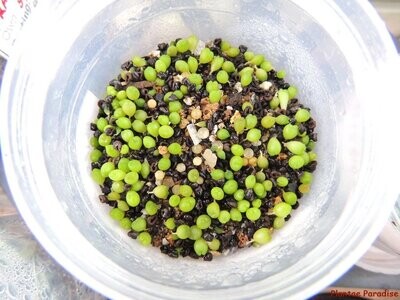
Cactus Seed Planting Mix
Cactus Seed Planting Mix
Sterile, Fine-Grain Media for Cactus & Succulent Seeds
SKU MNS005
₹74.85
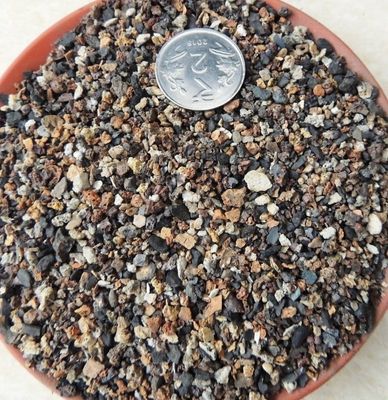
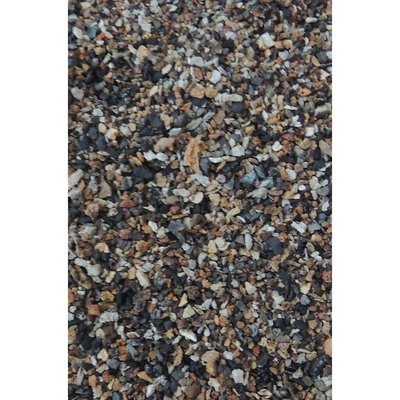
Cactus & Succulent Planting Mix FINE (aka Cactus Soil Mix or Succulent Soil Mix)
Cactus & Succulent Planting Mix FINE (aka Cactus Soil Mix or Succulent Soil Mix)
Fine-Grain Potting Mix for Cactus & Succulent Roots
SKU MNS001
₹39.85