

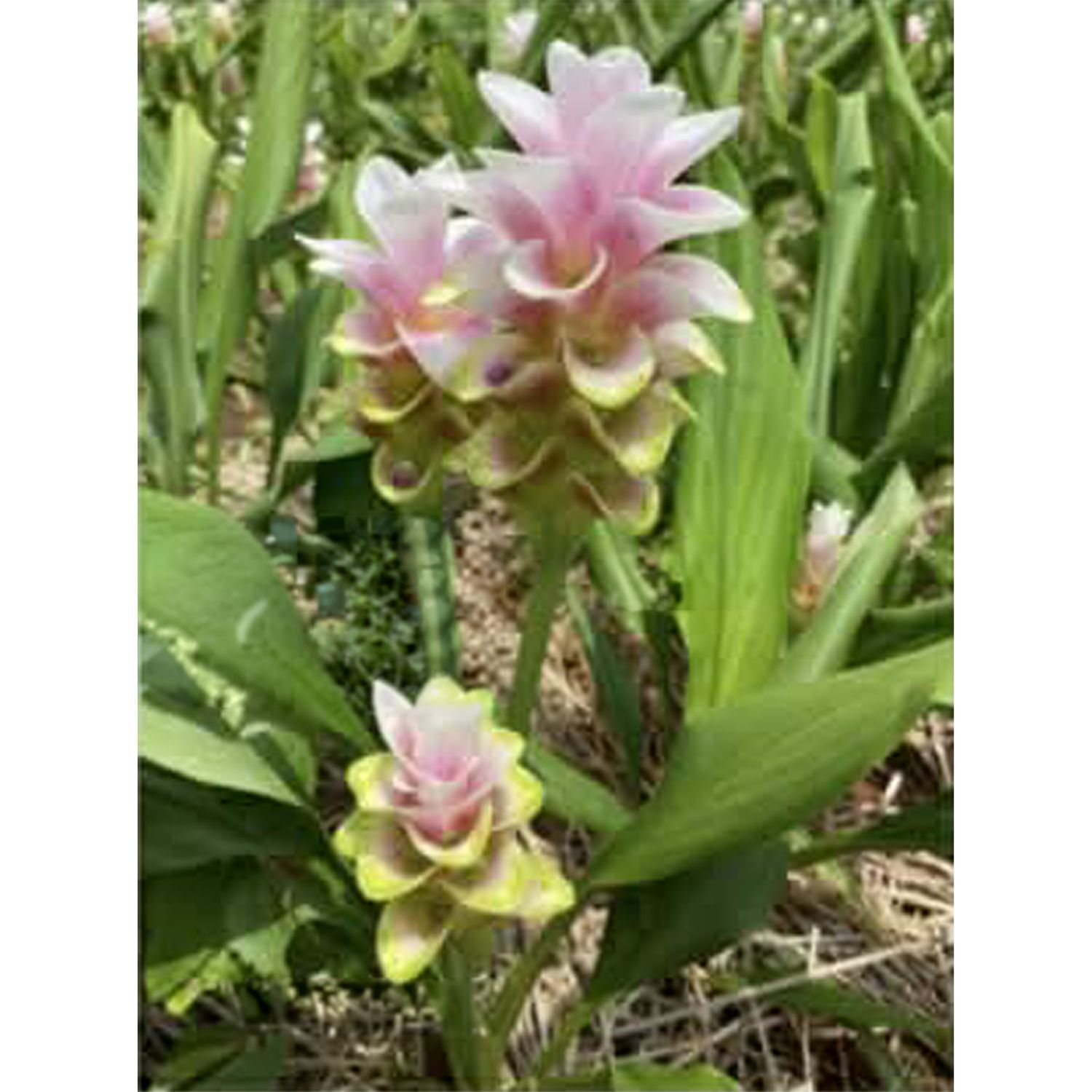
Ornamental Ginger Red Cherry Curucuma hybrid
Product Details
Radiant Red Cherry Curcuma: The Architectural Jewel
Elevate your collection with this rare hybrid, prized for its sophisticated gradient bracts and effortless tropical elegance.
- Origin & History of Name: The genus name Curcuma is derived from the Arabic word kurkum, meaning saffron, referencing the yellow-orange rhizomes of its cousin, turmeric. The cultivar name "Red Cherry" was selected by breeders to evoke the specific satiny, deep-pink to cherry-red hue of the upper bracts, distinguishing it from the more common pastel varieties.
- Morphology: This hybrid features a dense rhizomatous root system that supports upright, lanceolate leaves with a prominent midrib or costa. Its crowning glory is the inflorescence, composed of waxy, overlapping bracts (modified leaves). The lower bracts are a functional pale green, while the upper "coma" bracts display a soft pink-to-cherry gradient, protecting the tiny, inconspicuous true flowers tucked within.
- Habitat & Origin: The Red Cherry is a man-made cultivar, specifically bred from wild species native to the monsoon forests of Southeast Asia. It was developed to prioritize compact growth and longer-lasting blooms. Modern breeding programs focus on sustainability by selecting for high vigor, reducing the need for chemical fertilizers.
- Cultivation Profile:
- Substrate: A well-draining, porous mix of coco-peat, coarse river sand, and compost (3:1:1 ratio) to prevent rhizome rot during monsoons.
- Light: Thrives in bright, indirect sunlight; in India, morning sun is ideal, but provide 50% shade during harsh afternoon peaks to prevent leaf scorch.
- Water/Dormancy: Keep consistently moist during the summer growing season. As a deciduous ginger, it will enter winter dormancy in India (Nov–Feb); stop watering entirely once foliage yellows to allow the rhizome to rest.
- Scientific/Historical Anecdote: While known today as "Siam Tulips," these plants are not tulips at all. They belong to the family Zingiberaceae, making them closer relatives to ginger and cardamom. Historically, various Curcuma species were so vital for their medicinal and dyeing properties that they were traded along the ancient "Incense Route" alongside frankincense and myrrh.
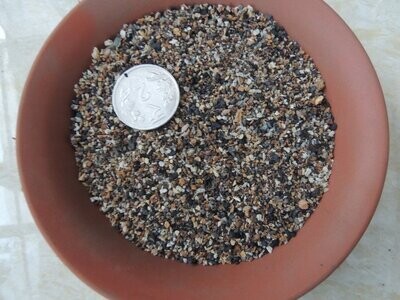
Cactus Seed Planting Mix
Cactus Seed Planting Mix
Sterile, Fine-Grain Media for Cactus & Succulent Seeds
SKU MNS005
₹66.35
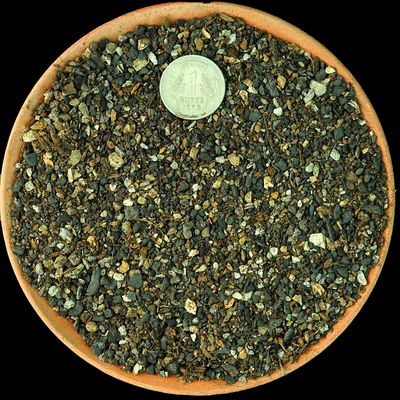
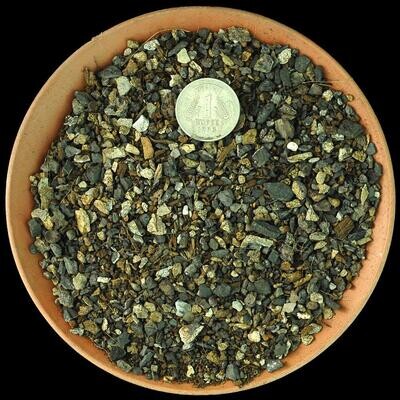
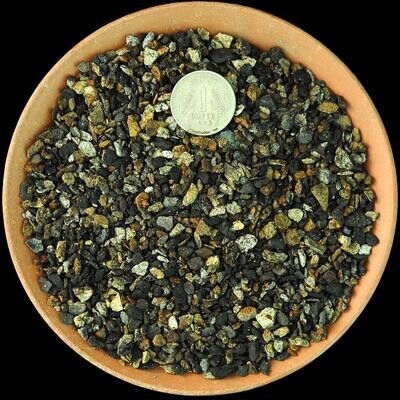
Cactus & Succulent Planting Mix COARSE (aka Cactus Soil Mix or Succulent Soil Mix)
Cactus & Succulent Planting Mix COARSE (aka Cactus Soil Mix or Succulent Soil Mix)
Washed, Free-Draining Mineral Mix for Cactus & Succulents
SKU MNS003
₹38.74