Off shoot of cresting plant - may or may not develop into a crest .
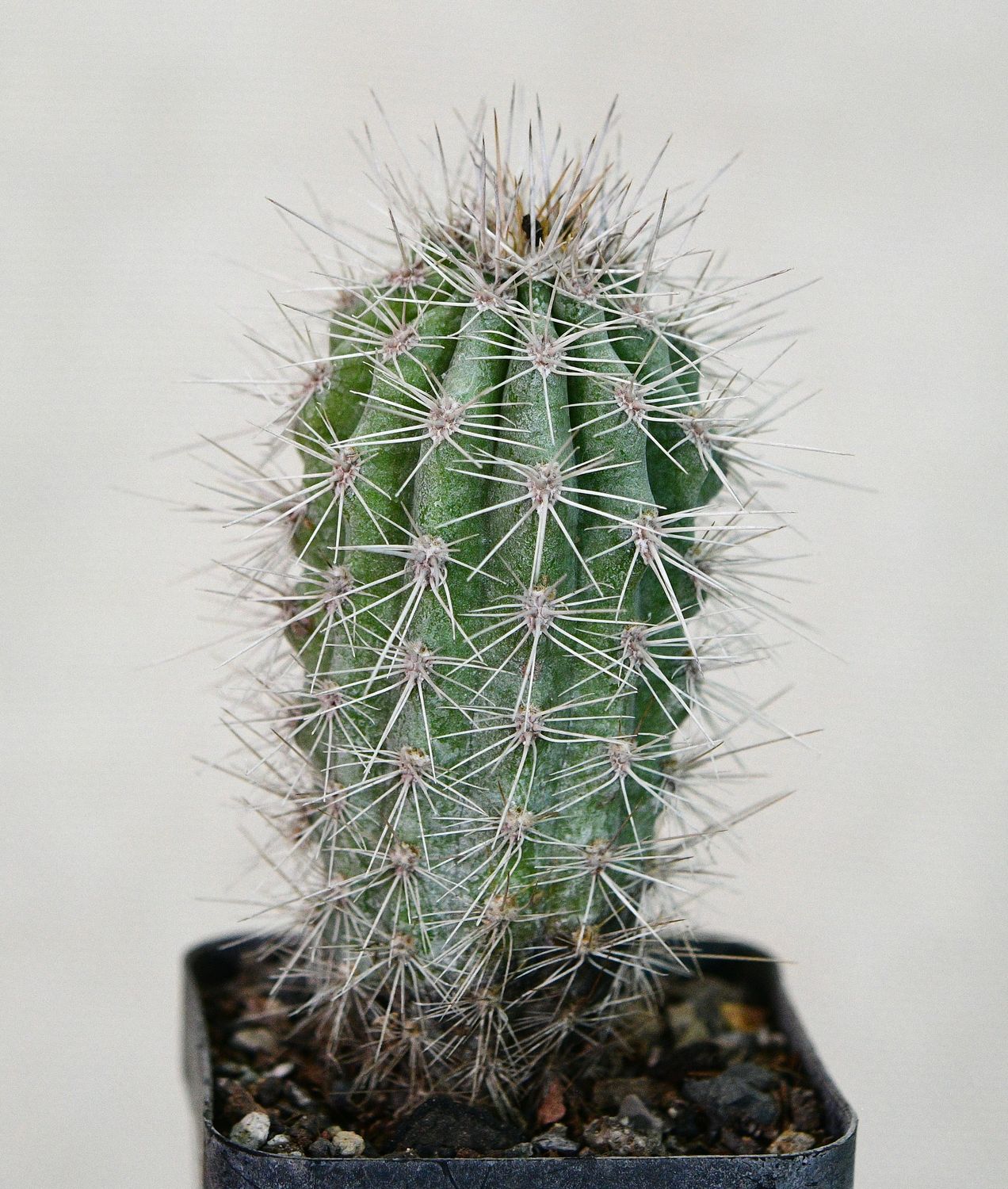
A young Mexican giant cactus caught at a genuine fork in the road — sold as the crested (cristate) form of the world's tallest cactus species, but still growing as an ordinary, densely spined column at this stage. It may yet fan out into the wavy, brain-like crest the form is prized for, or it may simply keep climbing straight and tall. Either outcome is a plant worth having: this is, after all, the species that grows taller than any other cactus on Earth.
Origin of Name
The genus name Pachycereus comes from the Greek pachys ("thick") and cereus ("waxy" or "candle-like," the same root shared by many columnar cactus genera), describing the massive, candle-thick stems typical of the group. The species epithet pringlei honors Cyrus Guernsey Pringle (1838–1911), a Vermont-born Quaker botanist and plant collector who spent roughly three decades cataloguing the flora of North America, including extensive fieldwork across Mexico between 1880 and 1909. American botanist Sereno Watson formally described the species in 1885 as Cereus pringlei; it was later reclassified into the newly erected genus Pachycereus by Nathaniel Lord Britton and Joseph Nelson Rose in 1909. The common name "cardón" comes from the Spanish cardo ("thistle"), a name early Spanish colonists applied broadly to spiny desert plants.
The crested form offered here, forma cristatus, was formally published by British botanist Peter V. Heath in 1992. "Cristatus" is simply Latin for "crested," describing fasciation — a growth mutation in which the plant's normal single growing point widens and flattens into a ridge, producing the folded, fan-like or brain-like form collectors seek out, in place of the species' usual straight column.
Origin of Plant
Native to the Sonoran Desert of northwestern Mexico, spanning Baja California, Baja California Sur, and Sonora, where it grows from sea level up to around 700 metres, often in open coastal stands or scattered as isolated individuals alongside other iconic Sonoran columnar cacti like the saguaro. It has long been ecologically and culturally important to the region's Seri people, who traditionally harvested its fruit as a food source and used the dried stems for construction and fuel. The crested form has no wild population of its own — fasciation is a spontaneous mutation that growers spot on individual plants and propagate onward, whether from seed or by cutting, rather than a trait tied to any particular habitat.
Description
In its standard form, Pachycereus pringlei is the tallest cactus species in the world, capable of reaching around 19–20 metres in the wild over a lifespan of well over 200 years, with a thick, elephant-leg trunk up to a metre or more across and 10–16 pronounced ribs lined with clusters of stout, reddish-brown spines that fade to grey with age. This young plant, still at the single-stemmed seedling stage, shows exactly that classic architecture: a dense, symmetrical column of ribs bristling with long, needle-sharp spines in white, tan, and reddish-brown tones.
Because it's sold as the cristatus form, there's real anticipation built into this plant: fasciated growth doesn't always announce itself early or predictably, and a young specimen like this one may go on to develop the wide, undulating, fan-shaped crest the form is known for, or it may continue growing as a normal, arrow-straight column. Either way, given time and good growing conditions, it will become an imposing, architectural specimen — the standard form alone is one of the great giants of the cactus world.
Conservation Status
Assessed as Least Concern on the IUCN Red List, and still forming large stands across parts of its native range, though local populations have been lost to land clearance for agriculture in Sonora. It is listed under CITES Appendix II, regulating international trade in wild specimens. This plant is nursery-propagated, making it a responsible choice regardless of the species' currently stable wild status.
Care
- Light: Full sun to very bright light — this is a true desert giant that colours and grows best with as much direct sun as it can get, gradually acclimated if moving it outdoors.
- Watering: Water thoroughly during the active spring-to-summer growing season, letting the soil dry out completely between waterings. Reduce sharply in winter, keeping it nearly dry while dormant.
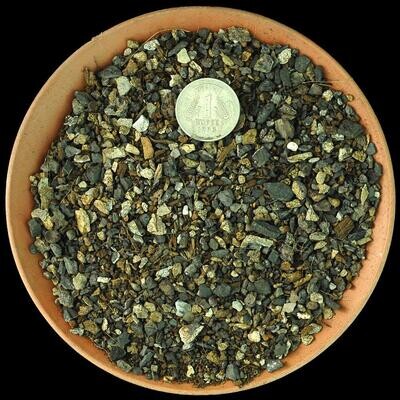
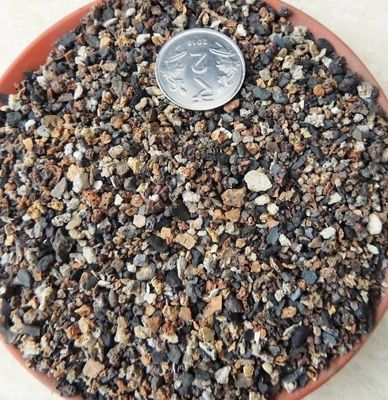
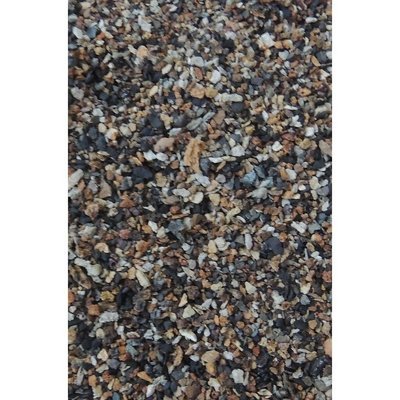
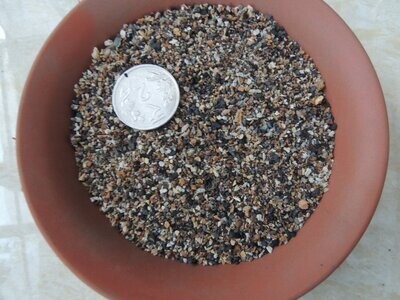
- Soil: A very free-draining, mineral cactus mix — standard cactus soil cut generously with pumice, perlite, or coarse sand — reflecting its rocky, often nutrient-poor native habitat.
- Pot: Terracotta suits it better than plastic long-term, since it dries faster and better matches this species' preference for minimal residual moisture around the roots.
- Temperature: Tolerates brief dips to around -4°C (25°F) if kept completely dry, but performs best in warm, frost-free conditions; protect from prolonged cold.
- General tips: A slow grower in its early years — patience is part of owning this species, whether or not the crest ultimately develops. Handle with care given the long, sharp spines, and expect steady rather than fast growth; this is a plant grown for decades of reward, not a quick display.
A Story Worth Telling
Few cacti have a more remarkable survival trick than this species. Pachycereus pringlei can colonize completely bare rock with no soil at all, thanks to a biofilm of bacteria and fungi living on its roots that fix nitrogen from the air and chemically break down stone to release nutrients the plant can use — and remarkably, the cactus packages a starter culture of these symbiotic bacteria inside its own seeds, so every new seedling arrives pre-equipped with the microbial partners it needs to take root on rock. It's one of the more striking known examples of a plant carrying its own symbionts forward into the next generation, and it's a large part of how this species came to dominate some of the starkest terrain in the Sonoran Desert. Whether the specimen offered here ends up growing as a towering, ordinary column or a wide, sculptural crest, it carries that same extraordinary biology underground.