

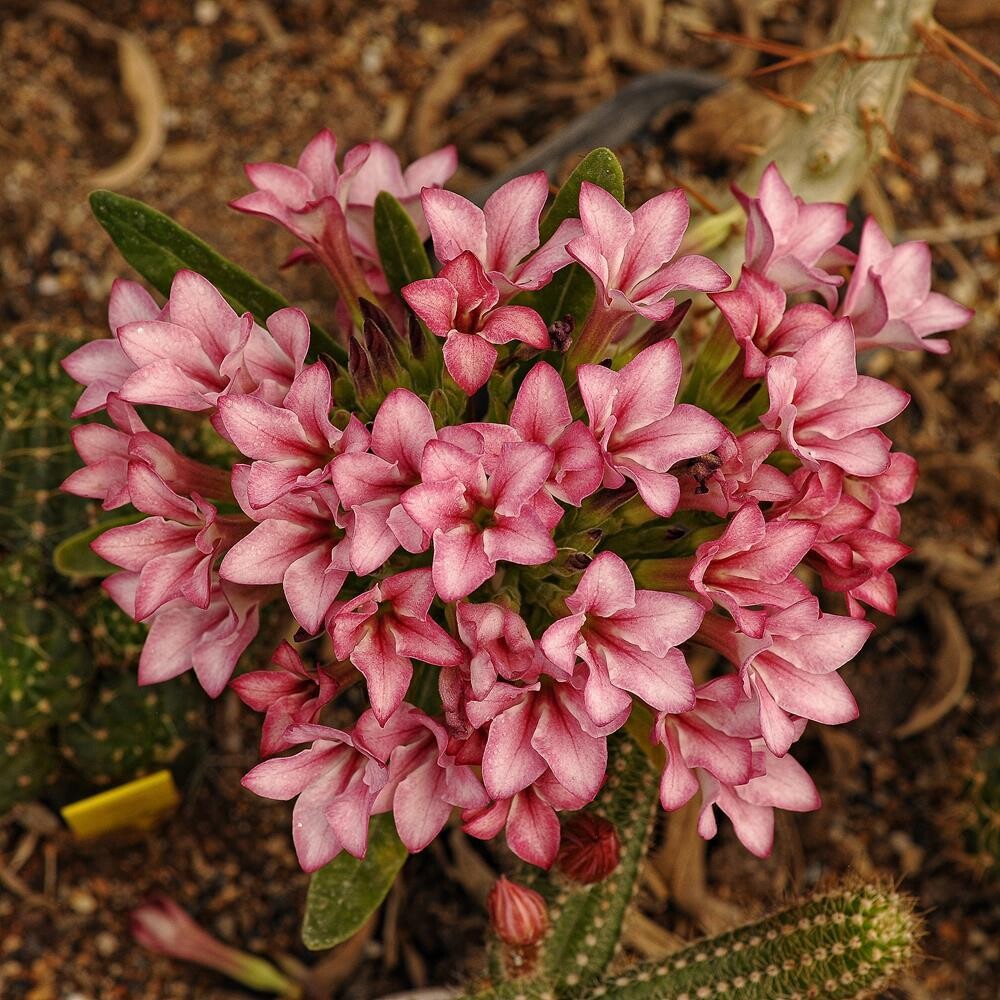
Pachypodium Arid Lands
Product Details
Thick-Stemmed Treasure: Pachypodium 'Arid Lands'
A robust, architectural centerpiece featuring a swollen caudex designed for the true succulent connoisseur.
- Origin & History of Name: The genus name Pachypodium originates from the Greek pachys (thick) and podos (foot), describing the plant’s characteristic swollen base.
'Arid Lands' is a cultivar name associated with specialized nurseries—specifically Arid Lands Greenhouse—that have focused on selecting and breeding robust, aesthetically balanced specimens from various Madagascan and African lineages. - Morphology: This plant is a caudiciform, meaning it develops a thick, water-storing trunk or caudex. The epidermis is silvery-grey and armored with sharp stipular spines. Unlike many succulents, it produces a crown of lush green leaves at the apex. As it matures, the stem thickens significantly, creating a sculptural, bottle-shaped silhouette that serves as a primary moisture reservoir.
- Habitat & Origin: This is a nursery-selected cultivar bred from species native to the arid regions of Madagascar and Southern Africa. It is produced through sustainable horticultural practices, ensuring that no wild plants are poached. These cultivated varieties are specifically adapted for container growth and domestic environments compared to their wild counterparts.
- Cultivation Profile:
- Substrate: Use a highly porous, mineral-based mix (60% coarse sand/perlite and 40% compost). In the Indian subcontinent, excellent drainage is vital to survive the monsoon saturation.
- Light: Requires full sun to very bright light.
In Northern India, it thrives in direct sun, but in extreme heat zones (like Rajasthan or Central India), slight afternoon shade prevents leaf tip burn. - Water/Dormancy: Water regularly during the hot growing season (March–September). It enters deciduous dormancy in winter, dropping its leaves; water must be strictly withheld during this time to prevent the caudex from rotting in the cool, damp soil.
- Scientific/Historical Anecdote: Members of the Pachypodium genus are often called "Madagascar Palms," though they are actually more closely related to Oleanders than palms.
Historically, these plants were so prized by 19th-century explorers that they were often documented in botanical sketches as "grotesque monsters" due to their bizarre, swollen shapes and spiny armor, which evolved to deter thirsty animals in water-scarce environments.
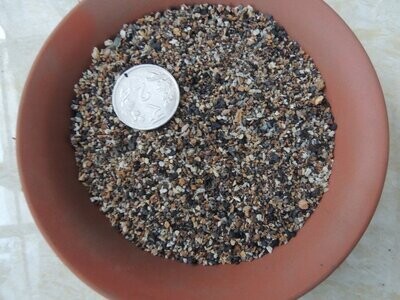
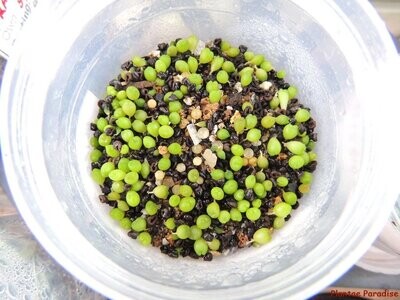
Cactus Seed Planting Mix
Cactus Seed Planting Mix
Sterile, Fine-Grain Media for Cactus & Succulent Seeds
SKU MNS005
₹74.85
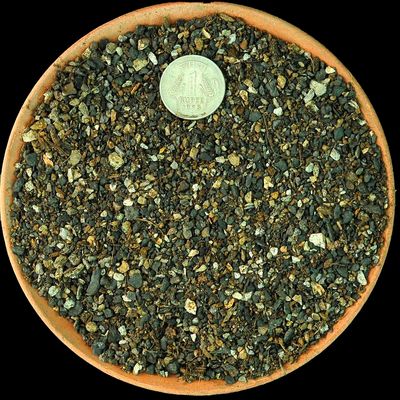
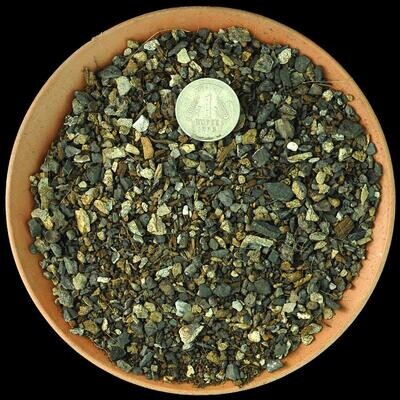
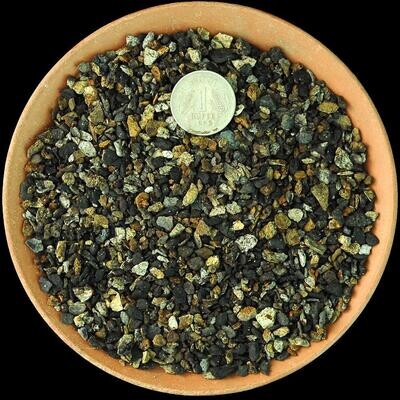
Cactus & Succulent Planting Mix COARSE (aka Cactus Soil Mix or Succulent Soil Mix)
Cactus & Succulent Planting Mix COARSE (aka Cactus Soil Mix or Succulent Soil Mix)
Washed, Free-Draining Mineral Mix for Cactus & Succulents
SKU MNS003
₹44.85