Origin of Name:
The genus name "Pachypodium" is derived from the Greek words "pachys," meaning "thick," and "podion," meaning "foot" or "base," which describes the plant's thickened, swollen trunk that is adapted for water storage, a characteristic feature of many members of this genus. The species name "densiflorum" translates to "dense-flowered," indicating the abundance of flowers that this species produces. The variety name "brevicalyx" comes from the Latin "brevis," meaning "short," and "calyx," referring to the flower calyx or floral structure. Thus, "brevicalyx" likely indicates that the flowers of this variety have a shorter calyx compared to other varieties or species of Pachypodium.
Origin of Plant:
Pachypodium densiflorum var. brevicalyx is native to Madagascar, specifically found in the dry, semi-arid regions where it grows in rocky soil and is adapted to the challenges posed by periodic droughts. Its natural habitat features rocky outcrops and dry deciduous forests, where it thrives in well-drained areas with ample sunlight.
Short Description:
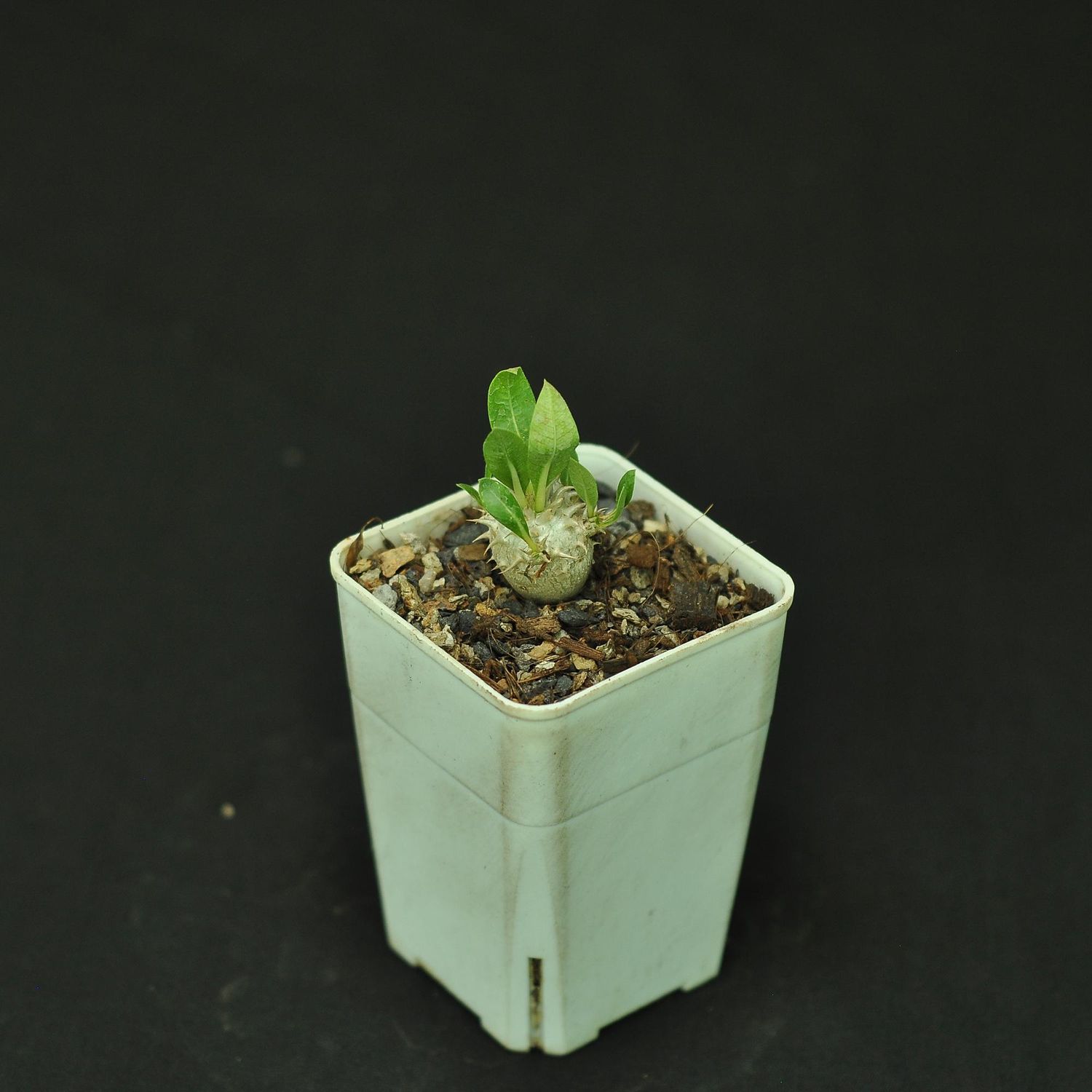
Pachypodium densiflorum var. brevicalyx is a striking succulent that exhibits a thick, swollen trunk, often topped with a rosette of narrow, elongated leaves. The variety is distinguished by its profuse flowering, typically producing clusters of small, tubular flowers with varying shades of yellow or cream. The blooms appear during the growing season, attracting pollinators and providing visual interest.
Conservation Status:
While not currently classified as endangered, Pachypodium densiflorum var. brevicalyx faces habitat loss and degradation due to human activities and deforestation. Cultivating this plant in nurseries promotes sustainable practices that help support natural populations and conserve biodiversity.
Care Instructions:
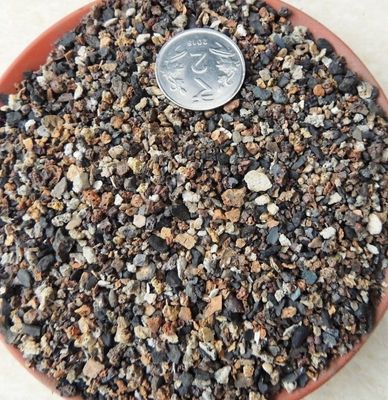
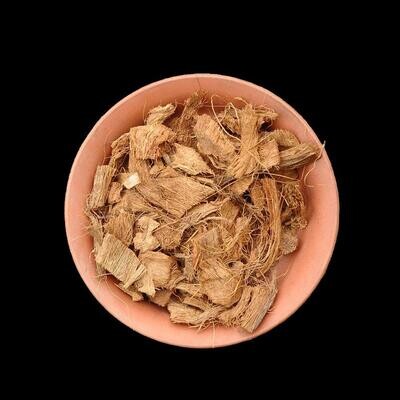
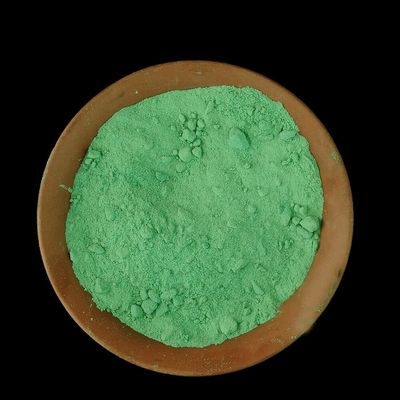
Pachypodium densiflorum var. brevicalyx prefers a well-draining soil mix suited for cacti and succulents. It thrives in bright, indirect sunlight, although it can tolerate full sun. Water the plant moderately, allowing the soil to dry out completely between waterings to prevent root rot. During the winter, reduce watering as the plant enters dormancy. Fertilization with a diluted, balanced fertilizer can be applied during the growing season to encourage robust growth and flowering. The plant's unique appearance makes it an excellent choice for ornamental displays in both indoor and outdoor settings.