1. Origin of Name
The name Pachypodium geayii is derived from the Greek words “pachys” meaning “thick” and “podos” meaning “foot,” referring to the plant’s thick, swollen trunk that stores water—a characteristic adaptation to its arid environment. The species name “geayii” honors French botanist and explorer Henri Geay, who made significant contributions to the study of Madagascar’s flora in the late 19th and early 20th centuries.
This plant was first described in 1903 by French botanist Emmanuel Drake del Castillo, who was captivated by its unique form and resilience. The name choice reflects both its physical characteristics and the botanist’s admiration for Geay’s work in Madagascar, a biodiversity hotspot.
2. Origin of Plant
Pachypodium geayii is native to the arid regions of southwestern Madagascar, where it thrives in rocky, dry landscapes and limestone outcrops. Madagascar is renowned for its unique and diverse flora, and Pachypodium geayii is no exception. It is part of the Apocynaceae family, which includes other fascinating succulents and flowering plants.
The plant was discovered during the late 19th century, a time when European explorers were actively documenting Madagascar’s rich biodiversity. Its ability to survive in harsh, water-scarce environments made it a subject of fascination for botanists and plant collectors alike. Today, it remains a symbol of Madagascar’s extraordinary plant life.
3. Description
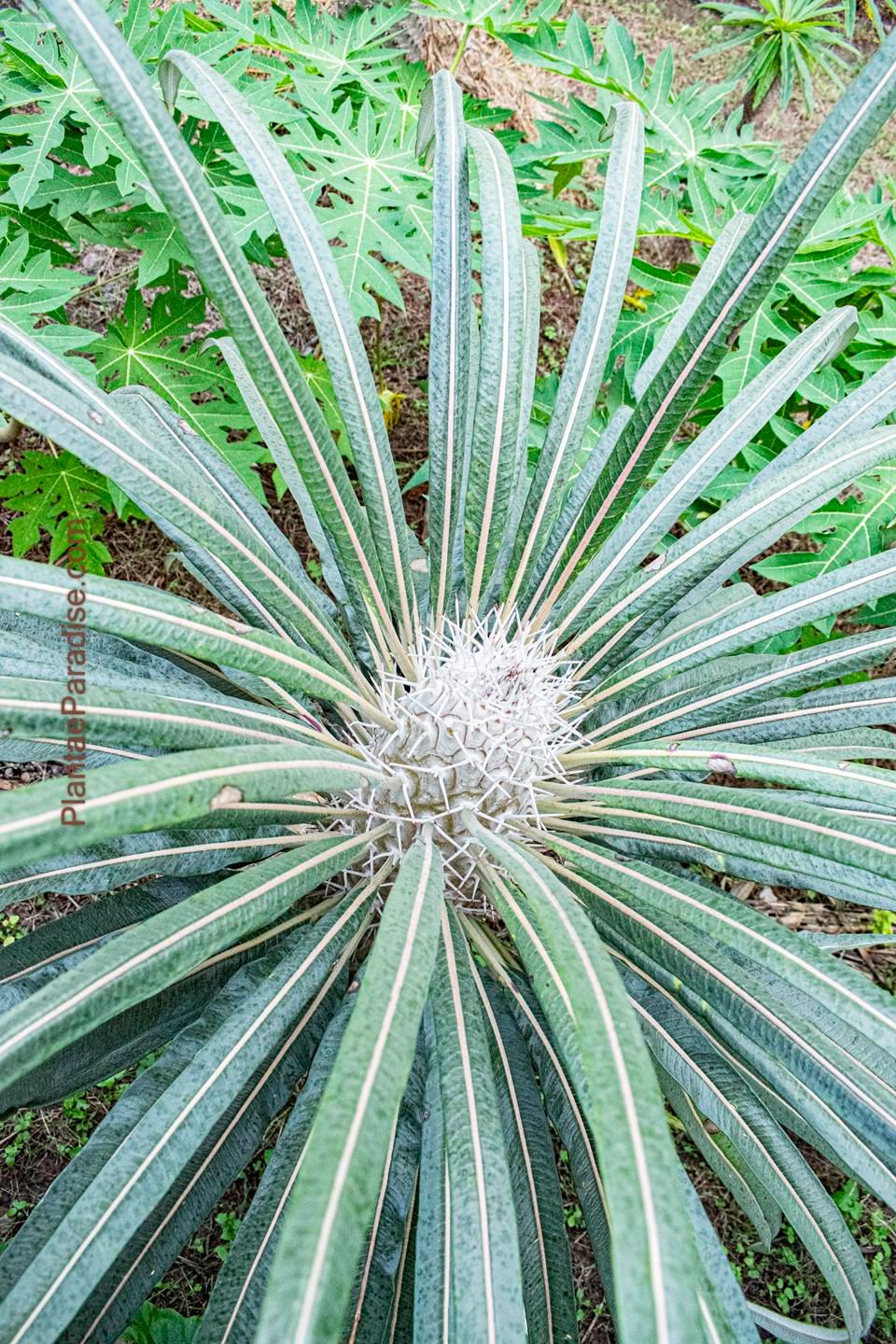
Pachypodium geayii is a striking, slow-growing succulent that can reach heights of up to 10 feet (3 meters) in its natural habitat, though it typically remains smaller when grown in cultivation. Its most distinctive feature is its thick, bottle-shaped trunk, which is covered in sharp spines and serves as a water reservoir during dry periods.
The plant’s trunk is topped with a crown of long, narrow, dark green leaves that give it a palm-like appearance, earning it the common name “Madagascar Palm.” During the growing season, Pachypodium geayii produces stunning, trumpet-shaped white flowers with yellow centers, adding a touch of elegance to its already impressive form.
The combination of its spiny trunk, lush foliage, and delicate flowers makes Pachypodium geayii a highly ornamental plant, perfect for adding a touch of exotic beauty to any space.
4. Conservation Status
Pachypodium geayii is not currently listed as endangered, but like many plants native to Madagascar, it faces threats from habitat destruction and illegal collection. Madagascar’s unique ecosystems are under increasing pressure from deforestation and climate change, making conservation efforts crucial for the survival of its endemic species.
As a responsible plant seller, we encourage our customers to source their plants from ethical growers who prioritize conservation and sustainability. By choosing cultivated specimens, you can enjoy the beauty of Pachypodium geayii without contributing to the depletion of wild populations.
5. Care
Light: Pachypodium geayii thrives in bright, direct sunlight. Place it in a south-facing window or outdoors in a sunny spot. It can tolerate partial shade but will grow best with plenty of light.
Water: This plant is highly drought-tolerant and prefers infrequent watering. Allow the soil to dry completely between waterings, and reduce watering during the winter months when the plant is dormant. Overwatering can lead to root rot, so it’s better to underwater than overwater.
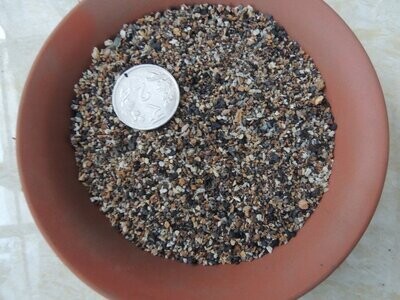
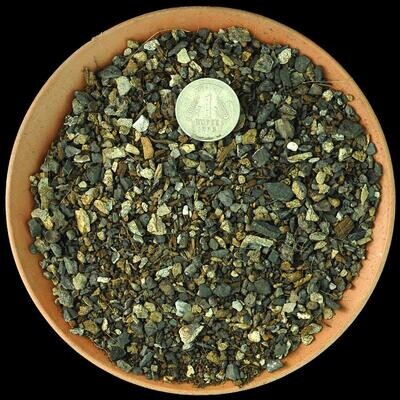
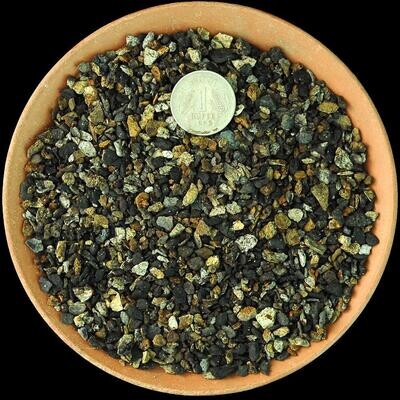
Soil: Use a well-draining cactus or succulent mix. Adding perlite or pumice can improve drainage and mimic the plant’s natural rocky habitat.
Temperature: Pachypodium geayii prefers warm temperatures between 70°F and 90°F (21°C to 32°C) during the growing season. It can tolerate cooler temperatures down to 50°F (10°C) in winter but should be protected from frost.
Fertilizer: Feed sparingly with a balanced, diluted cactus fertilizer during the growing season (spring and summer). Avoid fertilizing in winter when the plant is dormant.
Tips: Rotate the plant occasionally to ensure even growth and prevent it from leaning toward the light. Handle with care, as the plant’s spines can be sharp.
Interesting Anecdote
Did you know that Pachypodium geayii is often mistaken for a true palm due to its palm-like appearance? However, it is actually a succulent and part of the Apocynaceae family, which includes other fascinating plants like the oleander and frangipani. This unique combination of palm-like foliage and succulent trunk makes it a favorite among plant enthusiasts and collectors.
In Madagascar, Pachypodium geayii is sometimes referred to as the “Elephant’s Foot Plant” due to its thick, swollen trunk, which resembles the foot of an elephant. This nickname highlights its remarkable adaptation to store water in its trunk, allowing it to survive in some of the driest regions of the island.
Add a touch of Madagascar’s exotic beauty to your home or garden with Pachypodium geayii—a plant that’s as resilient as it is stunning. Perfect for both novice and experienced plant enthusiasts, this Madagascar Palm is sure to be a conversation starter and a cherished addition to your collection.