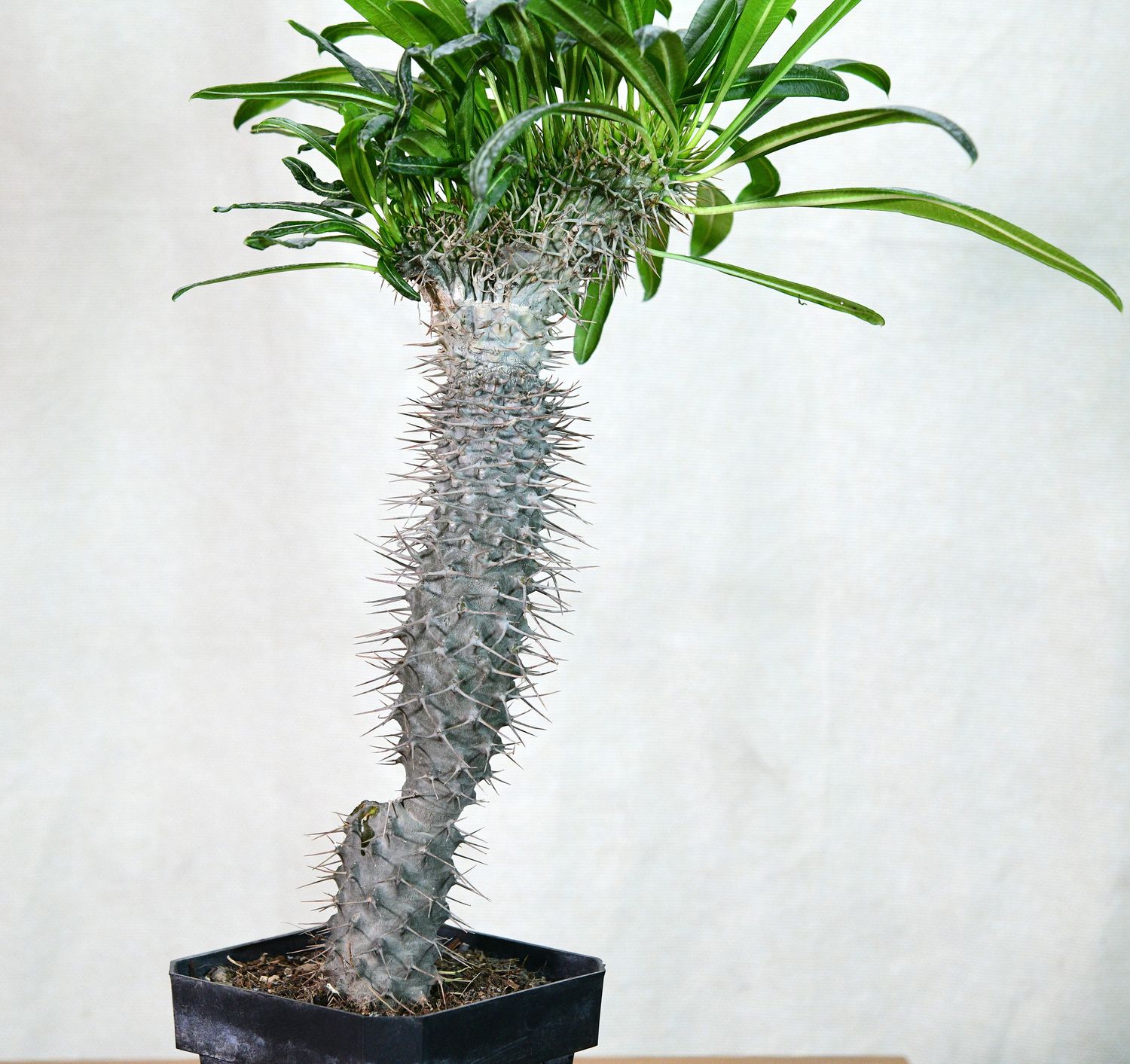
Pachypodium lamerei crest
Product Details
Architectural Marvel: Pachypodium lamerei f. cristata
A sculptural rarity for the serious collector, this crested Madagascar Palm transforms a desert classic into a living piece of fine art.
- Origin & History of Name: The genus name Pachypodium is derived from the Greek pachys (thick) and podion (foot), referencing the pachycaul, or swollen, water-storing trunk.
The specific epithet lamerei honors French botanist Guillaume Lamère. The term "crest" (or f. cristata) describes the specific fasciation—a genetic mutation where the growth point expands laterally into a fan shape rather than a cylinder. - Morphology: Unlike the typical columnar form, this specimen exhibits fasciation, where the apical meristem grows in a ribbon-like fold.
This creates a wavy, brain-like epidermis armored with sharp, tri-pointed spines. While the standard species grows tall, the crested form develops a dense, horizontal "comb" topped with a fringe of narrow, lanceolate leaves, creating a dramatic silhouette of silver-grey tissue. - Habitat & Origin: The base species, Pachypodium lamerei, is endemic to the arid regions of southern Madagascar.
However, the crested form is a cultivar arising from a rare spontaneous mutation. Most specimens in the trade are propagated via grafting or specialized cuttings to preserve the mutation. Ethical nurseries ensure these are nursery-grown to protect wild Malagasy populations from poaching. - Cultivation Profile:
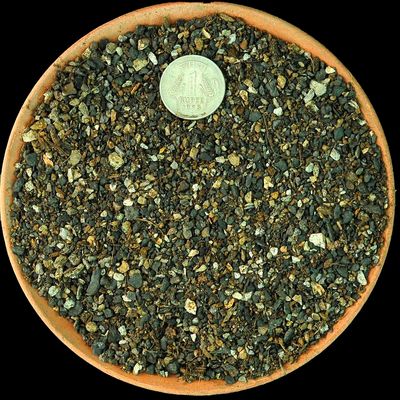
- Substrate: Use a strictly mineral-based mix. A ratio of 70% inorganic material (pumice, perlite, or crushed brick) and 30% organic matter is ideal for the Indian climate to prevent root rot.
- Light: Requires full sun to maintain its compact, crested form.
In extreme Indian summers (above 40°C), provide 30% shade cloth to prevent scorching of the tender crest. - Water/Dormancy: Water deeply when the substrate is bone-dry during the summer monsoon growth phase. During the winter (Nov–Feb), the plant enters obligate dormancy and may shed leaves; withhold water entirely to prevent fungal infections.
- Scientific/Historical Anecdote: Despite being called the "Madagascar Palm," this plant is biologically unrelated to true palms.
It belongs to the Apocynaceae family, making it a close relative of the Plumeria and Oleander. This is why, if the plant is cut, it exude a toxic, milky white latex—a defense mechanism evolved to deter herbivores in the harsh dry forests of Madagascar.
New
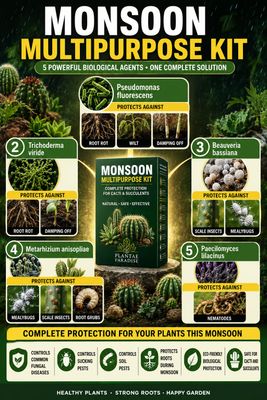
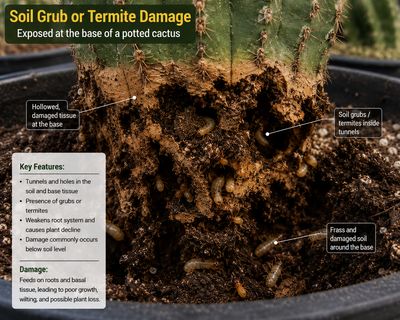
Monsoon Guardian Kit (5 in 1)
Monsoon Guardian Kit (5 in 1)
Complete 5-in-1 biological protection kit for cacti & succulents
SKU MNS024
₹850.00
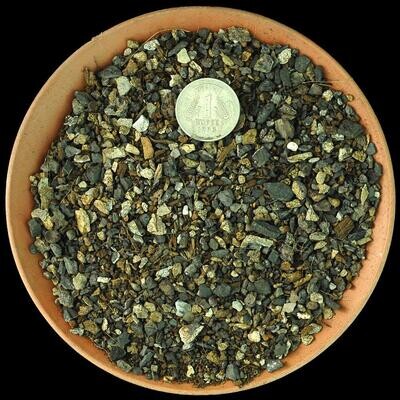
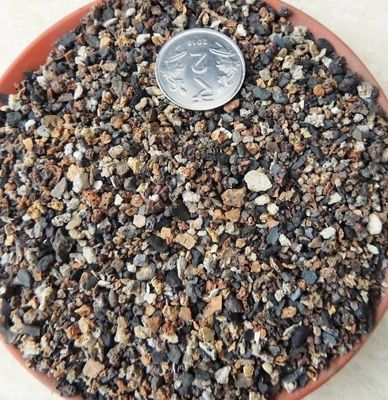
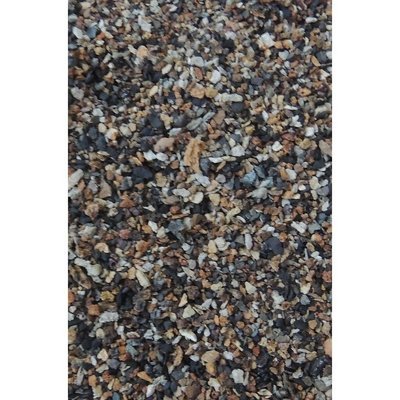
Cactus & Succulent Planting Mix FINE (aka Cactus Soil Mix or Succulent Soil Mix)
Cactus & Succulent Planting Mix FINE (aka Cactus Soil Mix or Succulent Soil Mix)
Fine-Grain Potting Mix for Cactus & Succulent Roots
SKU MNS001
₹39.85