

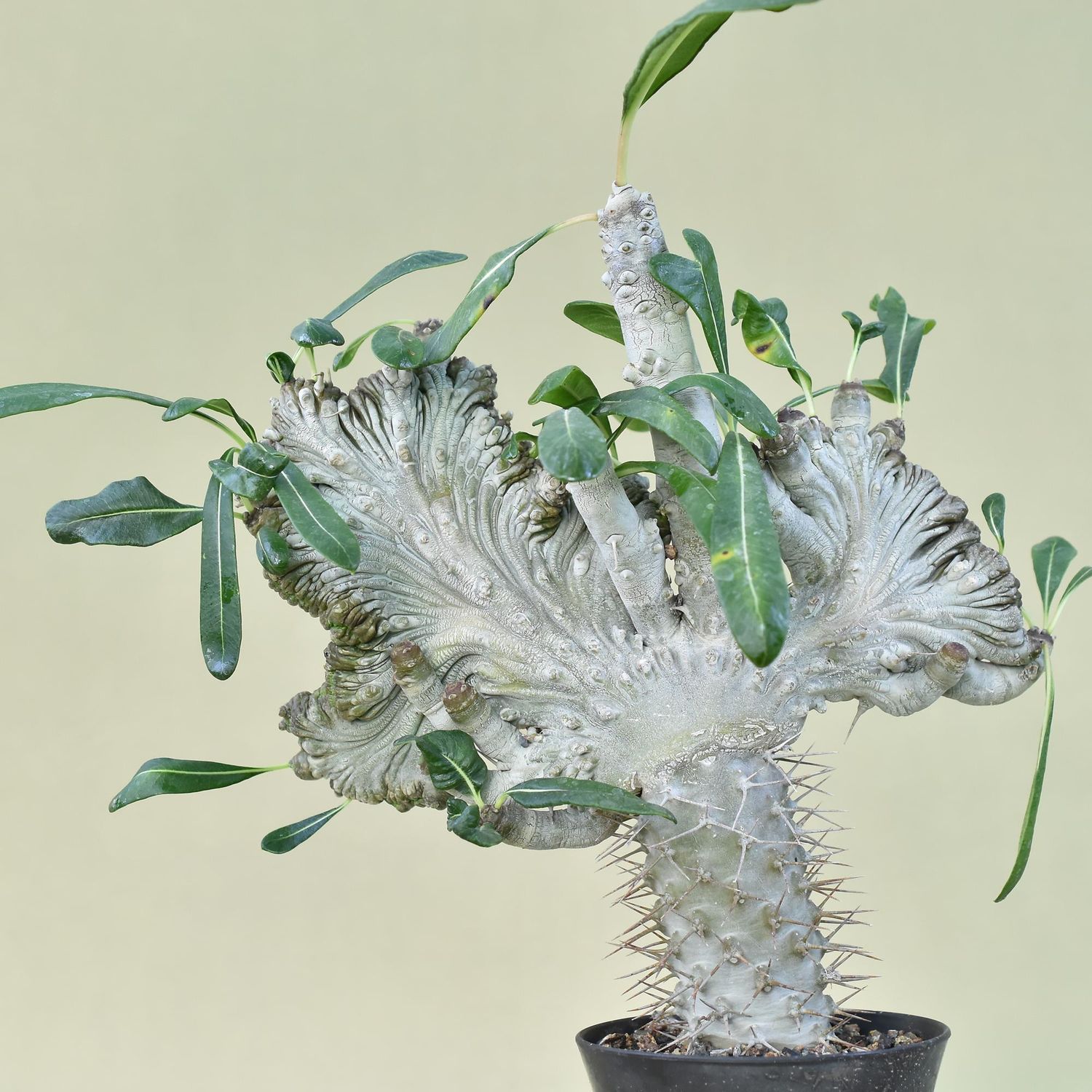
Pachypodium lamerei crest monstrose form
Product Details
Architectural Mutation: Pachypodium lamerei f. cristata monstrosa
A sculptural masterpiece of botanical mutation, this rare cresting form offers a singular, prehistoric silhouette for the discerning collector.
- Origin & History of Name: The genus name Pachypodium is derived from the Greek pachys (thick) and podion (foot), referencing the pachycaul, or swollen trunk.
- Morphology: This specimen exhibits a dual mutation. The epidermis is heavily armed with tri-pointed spines emerging from distinct areoles. While the standard species grows as a single trunk, the cristate form creates a convoluted, wavy ribbon of growth, while the monstrose trait results in multi-headed, asymmetrical branching. The result is a dense, silver-grey succulent mass that lacks the typical vertical costae (ribs), instead forming a complex, brain-like architecture.
- Habitat & Origin: While the base species Pachypodium lamerei is endemic to the arid spiny forests of Southern Madagascar, this specific "crest monstrose" form is a cultivar. It originated through the selection of rare somatic mutations in nursery settings. These plants are propagated via grafting or cuttings to preserve the mutation, ensuring no wild populations are depleted.
- Cultivation Profile:
- Substrate: Use a strictly mineral-based mix. A ratio of 70% inorganic material (pumice, perlite, or crushed brick) to 30% organic matter is essential to prevent root rot in humid Indian climates.
- Light: Requires full primary sun (6–8 hours). In Northern India, provide slight afternoon shade during May-June peaks; in Coastal regions, maximum exposure is necessary to maintain compact growth.
- Water/Dormancy: Follow a "soak and dry" cycle during the monsoon and summer. During the winter (November–February), the plant enters obligate dormancy and may drop its leaves; water should be withheld almost entirely during this period to simulate the Malagasy dry season.
- Scientific/Historical Anecdote: Members of the Pachypodium genus are often called "Madagascar Palms," though they are actually more closely related to Oleanders and Plumerias (Apocynaceae family). Scientists have found that the thick, succulent trunks are not just for water storage; they are also capable of cauline photosynthesis, meaning the trunk itself can produce energy even after the plant has shed its leaves to survive extreme droughts.
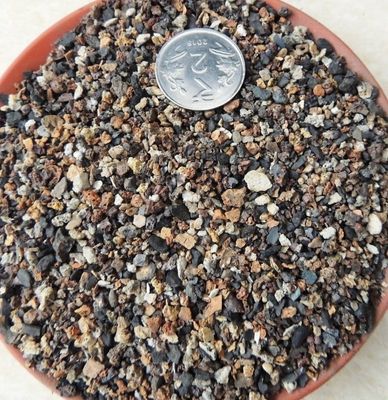
Cactus & Succulent Planting Mix FINE (aka Cactus Soil Mix or Succulent Soil Mix)
Cactus & Succulent Planting Mix FINE (aka Cactus Soil Mix or Succulent Soil Mix)
Fine-Grain Potting Mix for Cactus & Succulent Roots
SKU MNS001
₹35.51
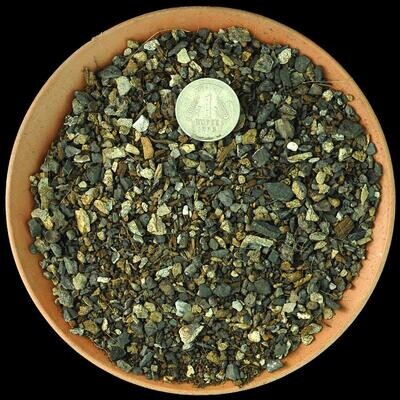
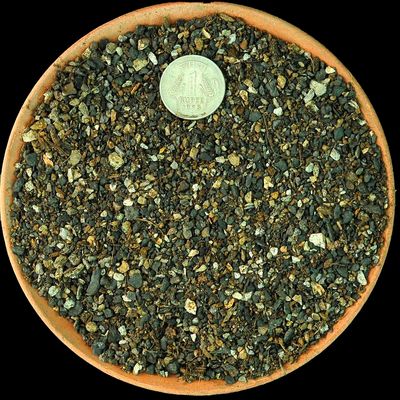
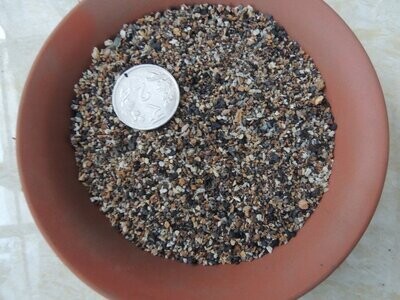
Cactus Seed Planting Mix
Cactus Seed Planting Mix
Sterile, Fine-Grain Media for Cactus & Succulent Seeds
SKU MNS005
₹70.51