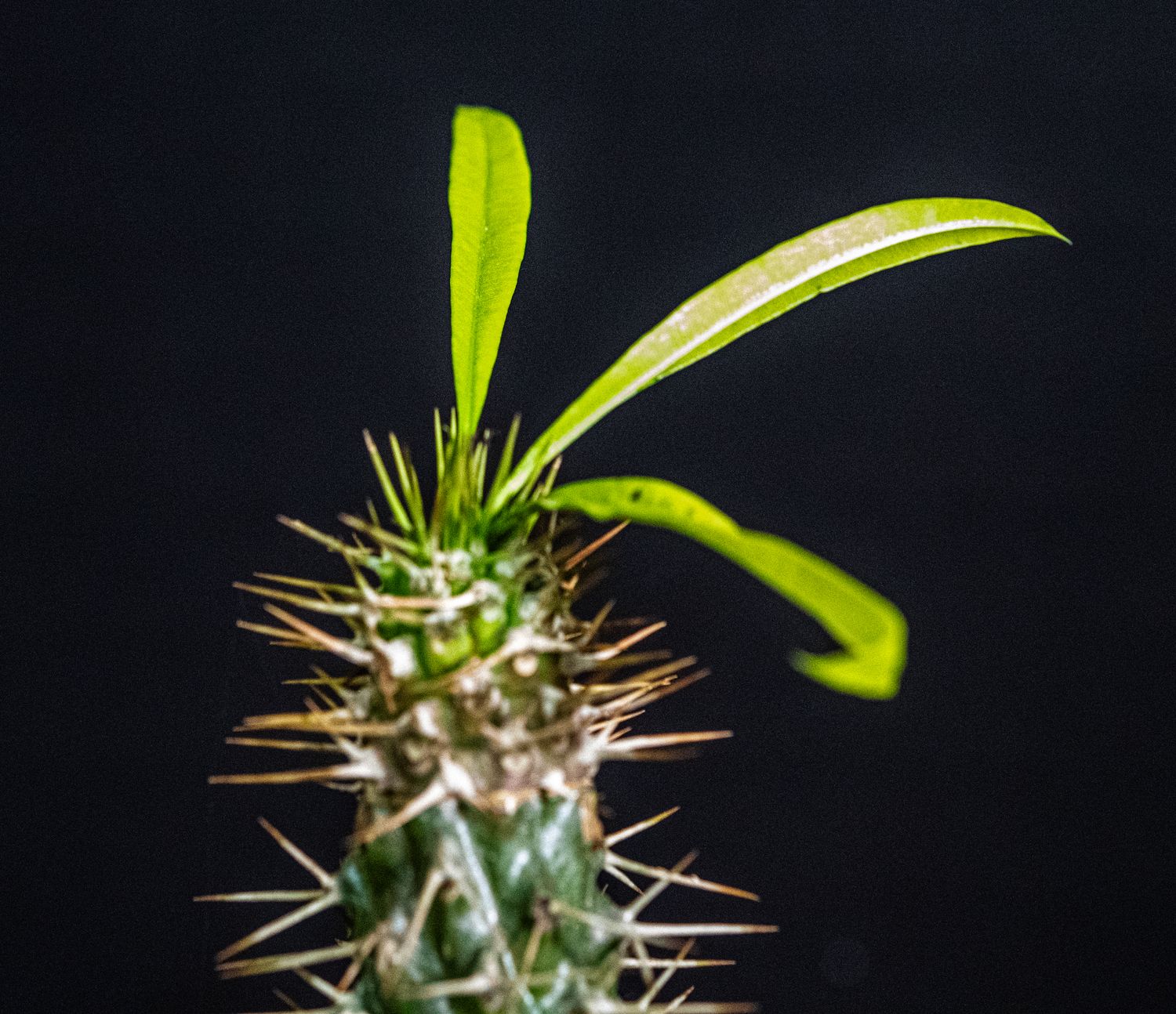
Silver spines, a slender swollen trunk, and a crown of long leaves edged in lime and gold – the variegated Madagascar Palm takes one of the world's best-loved caudiciforms and adds living brushstrokes of colour. Every leaf carries its own pattern, so no two plants look the same. A true collector's statement for a sunny windowsill, patio, or succulent shelf.
Origin of Name
Pachypodium comes from the Greek pachys (thick) and podion (little foot). It refers to the swollen, water-storing trunk shared by every member of the genus. The species name lamerei honours Monsieur Lamère, the French collector who supplied the type specimen. Most accounts describe him as a customs official stationed at Fort Dauphin (Tôlanaro) in southern Madagascar, though surviving records of his life are sparse.
French botanist Emmanuel Drake del Castillo formally described the species in 1899 in the Bulletin du Muséum d'Histoire Naturelle in Paris. Later botanists shuffled it around. It was treated as a form or variety of P. rutenbergianum in 1924. P. ramosum (1907) and P. champenoisianum (1942) are now regarded as synonyms, and Kew's POWO accepts P. lamerei as the valid name. The common name "Madagascar Palm" describes the plant's palm-like silhouette, but it is not a palm at all.
The variegated form is a horticultural sport selected in cultivation. It has no formally registered cultivar name, and its exact origin is not documented.
Origin of Plant
Pachypodium lamerei is endemic to south-central and southern Madagascar, mainly in the regions around Toliara and Anosy. It grows in seasonally dry tropical scrub and spiny forest. There it survives long rainless months by storing water in its trunk and dropping its leaves during drought. It was first collected by French colonial-era plant hunters in the late 19th century, when interest in Madagascar's unusual succulent flora was growing in Paris.
Description
The plant is a slow-growing succulent tree with a silvery-grey, cylindrical trunk that thickens at the base. The trunk is densely armed with sharp spines up to 6 cm long, usually arranged in groups of three. In habitat it can reach about 6 m tall. In pots it stays a compact single stem for many years, occasionally branching with age.
- Leaves: Long, narrow, and glossy, clustered in a spiral crown at the stem tip.
- Variegation: This form has leaves irregularly edged and streaked in lime-yellow to cream. The amount of colour varies from leaf to leaf, and some leaves may emerge more green or more gold.
- Flowers: Mature plants produce fragrant white flowers with a yellow throat in summer, reminiscent of frangipani, which is a close relative. Flowering is uncommon on young potted plants.
Conservation Status
- IUCN Red List: Least Concern (assessed 2020). The species remains widespread in its native range.
- CITES: Appendix II. The whole Pachypodium genus is listed there, except for a few rarer species on Appendix I, such as P. decaryi, P. ambongense, and P. baronii. International trade therefore requires permits.
- Our plants: They are nursery-propagated and not wild-collected. Buying cultivated stock helps protect Madagascar's wild populations.
Care
- Light: Bright light with some direct sun. Variegated leaves scorch more easily than plain green ones, so give morning sun and afternoon shade, or filtered light in peak summer. Acclimatise gradually before moving it into stronger sun.
- Watering: Water thoroughly once the soil has dried out, roughly weekly in hot weather during active growth. Reduce sharply in cool months. If it drops its leaves in winter, keep it nearly dry until new growth appears.
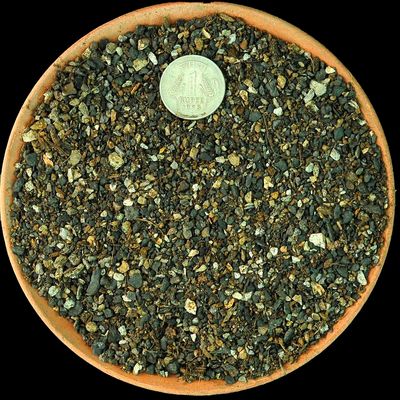
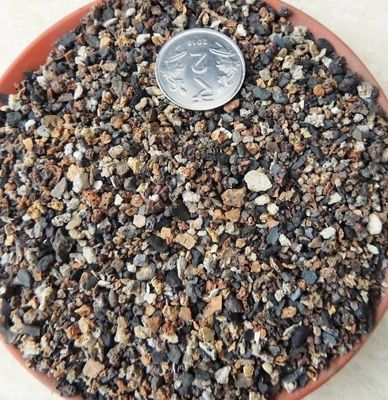
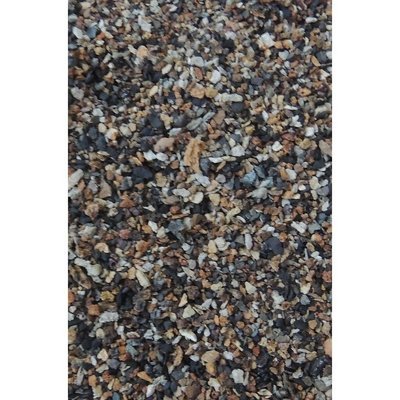
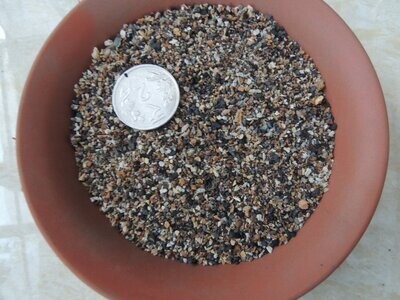
- Soil: Use a fast-draining gritty mix, such as 60–70% mineral content (pumice, coarse sand, perlite, brick chips) with a little organic matter.
- Pot: Choose a pot with drainage holes. Terracotta is ideal because it dries out faster and helps prevent root rot.
- Temperature: It thrives between 18 and 35°C. Protect it below 10°C, since cold combined with wet soil is its biggest threat.
- Feeding: Give a diluted balanced or low-nitrogen fertiliser monthly during the growing season. Do not feed in winter.
- Tip: Handle it with gloves, because the spines are sharp and the sap is irritating and toxic if ingested. Keep it away from pets and children.
A Story Worth Telling
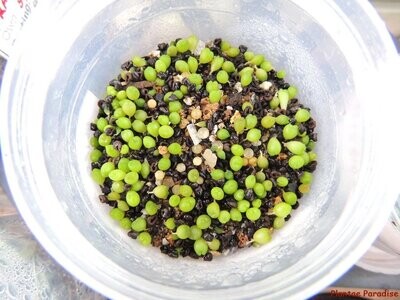
The Madagascar Palm is the quiet workhorse of the Pachypodium world. Because it is vigorous and readily grown from seed, it is the standard rootstock onto which growers graft rare, slow-growing relatives. Many prized collection plants are, underneath, standing on a P. lamerei.
Its family ties are just as surprising. It belongs to the dogbane family, Apocynaceae, alongside oleander, adenium, and frangipani. This family is known for potent sap and has supplied arrow poisons since ancient times. The shared ancestry shows in its flowers, which look remarkably like frangipani blossoms.