Discover a living testament to resilience and unique beauty with the Pachypodium rosulatum. Hailing from the ancient landscapes of Madagascar, this fascinating caudiciform plant is a true botanical sculpture, boasting a distinctive swollen trunk, striking spiny branches, and a breathtaking display of vibrant yellow flowers. A remarkable blend of rugged charm and elegant blooms, Pachypodium rosulatum promises to be an extraordinary and captivating centerpiece in any collection.
1. Origin of Name
The genus name, Pachypodium, is derived from Greek: "pachy" meaning "thick," and "podos" meaning "foot" or "base." This aptly describes the plant's characteristic swollen, water-storing caudex or trunk. The specific epithet, rosulatum, is Latin, combining "rosula" (meaning "rosette") with the suffix "-atum" (meaning "having"). This refers to the way its leaves are typically arranged in dense, rosette-like clusters at the tips of its branches. The species was formally described by Henri Ernest Baillon in the 19th century, a pioneering botanist renowned for his work on the flora of Madagascar.
2. Origin of Plant
Pachypodium rosulatum is endemic to Madagascar, one of the world's most unique biodiversity hotspots. It thrives in the island's arid and semi-arid regions, typically found on rocky outcrops and slopes in dry deciduous forests or savannas. Its habitat is characterized by extreme heat, intense sunlight, and pronounced wet and dry seasons, to which its water-storing trunk and deciduous nature are perfectly adapted. Botanical explorations of Madagascar, particularly during the 19th and early 20th centuries, brought this and many other unique "caudiciform" plants to scientific attention.
3. Description
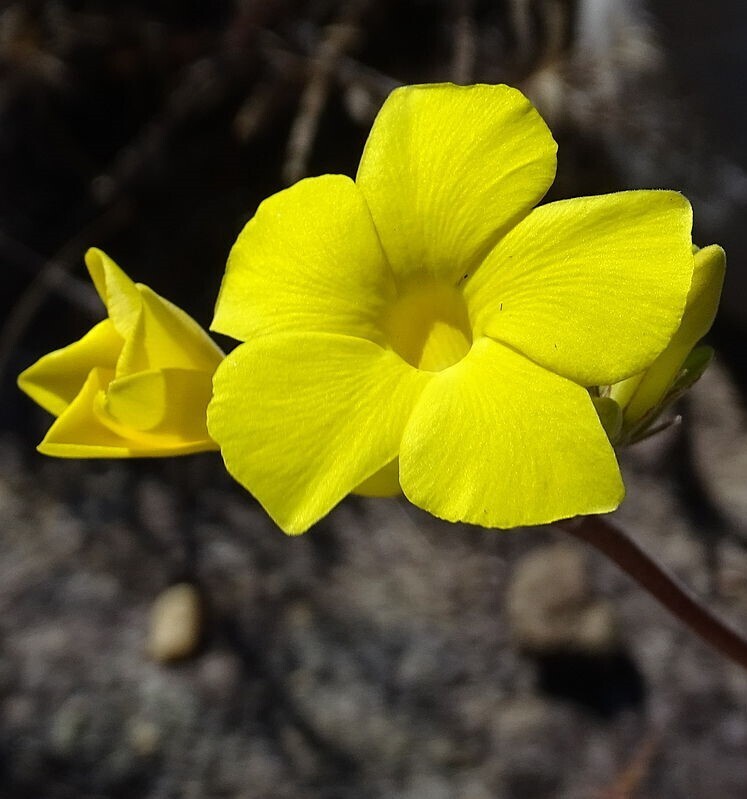
Pachypodium rosulatum is a truly distinct deciduous succulent shrub. Its most striking feature is its bottle-shaped or irregularly swollen, gray-brown caudex (trunk), which can grow 15-50 cm (6-20 inches) in diameter. From this caudex emerge numerous slender, often spiny branches. During the growing season, these branches are topped with rosettes of glossy green, lance-shaped leaves. The plant's true spectacle comes in spring and summer, when it produces showy, bright yellow, trumpet-shaped flowers on long stalks. These magnificent blooms, sometimes tinged with white or red, often appear before or with the leaves, creating a stunning contrast against the bare, architectural form of the plant.
4. Conservation Status
As an endemic species of Madagascar, Pachypodium rosulatum faces threats from habitat degradation and illegal collection. While not critically endangered, it is listed as vulnerable due to its restricted range and increasing human pressures on its natural habitats. Deforestation, agricultural expansion, and over-collection for the horticultural trade pose significant risks. Supporting ethically sourced, nursery-propagated specimens helps to reduce pressure on wild populations and contributes to the conservation of Madagascar's precious flora.
5. Care
Caring for Pachypodium rosulatum is rewarding and relatively straightforward, especially when mimicking its native dry-forest conditions.
- Watering: Water thoroughly during its active growing season (spring through early autumn) when fully in leaf, allowing the soil to dry completely between waterings. Keep it almost entirely dry during its winter dormancy (when leafless) to prevent rot.
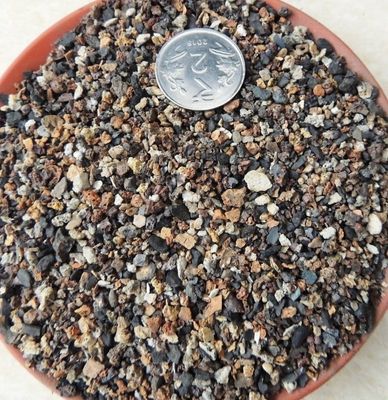
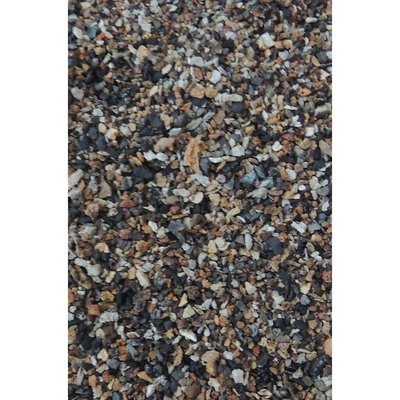
- Soil: Requires an extremely well-draining, gritty succulent mix. A blend with high proportions of pumice, perlite, coarse sand, and minimal organic matter is ideal.
- Light: Provide full sun to very bright light. Intense sunlight is crucial for compact growth, robust trunk development, and abundant flowering.
- Temperature: Prefers warm temperatures. It is not frost-tolerant and must be protected from temperatures below 10°C (50°F), especially when dormant.
- Tips: Embrace its deciduous nature; leaf drop in winter is normal. Ensure good air circulation. Fertilize sparingly with a balanced, low-nitrogen liquid fertilizer during the active growing season. Its caudex is a significant ornamental feature, so ensure it is adequately exposed above the soil line.
6. Engaging Anecdote
The genus Pachypodium is often referred to as the "Madagascar Palms," despite not being true palms, a nod to their distinctive trunk-like appearance in their native habitat. Pachypodium rosulatum, with its swollen caudex, is a master of survival in Madagascar's harsh dry season. This thick "foot" acts as a natural water reservoir, allowing the plant to shed its leaves and enter a state of dormancy, conserving precious moisture when water is scarce. Then, with the arrival of the rains, it undergoes a spectacular transformation: from a seemingly lifeless, spiny trunk, it bursts forth with a crown of fresh leaves and a profusion of brilliant yellow flowers, a dazzling display of rebirth. This dramatic cycle highlights the incredible resilience of Madagascan flora and its unique adaptations to survive and thrive. Owning a Pachypodium rosulatum is like holding a miniature piece of this ancient, wild island, a silent, living sculpture that embodies strength, beauty, and the profound art of enduring life.