

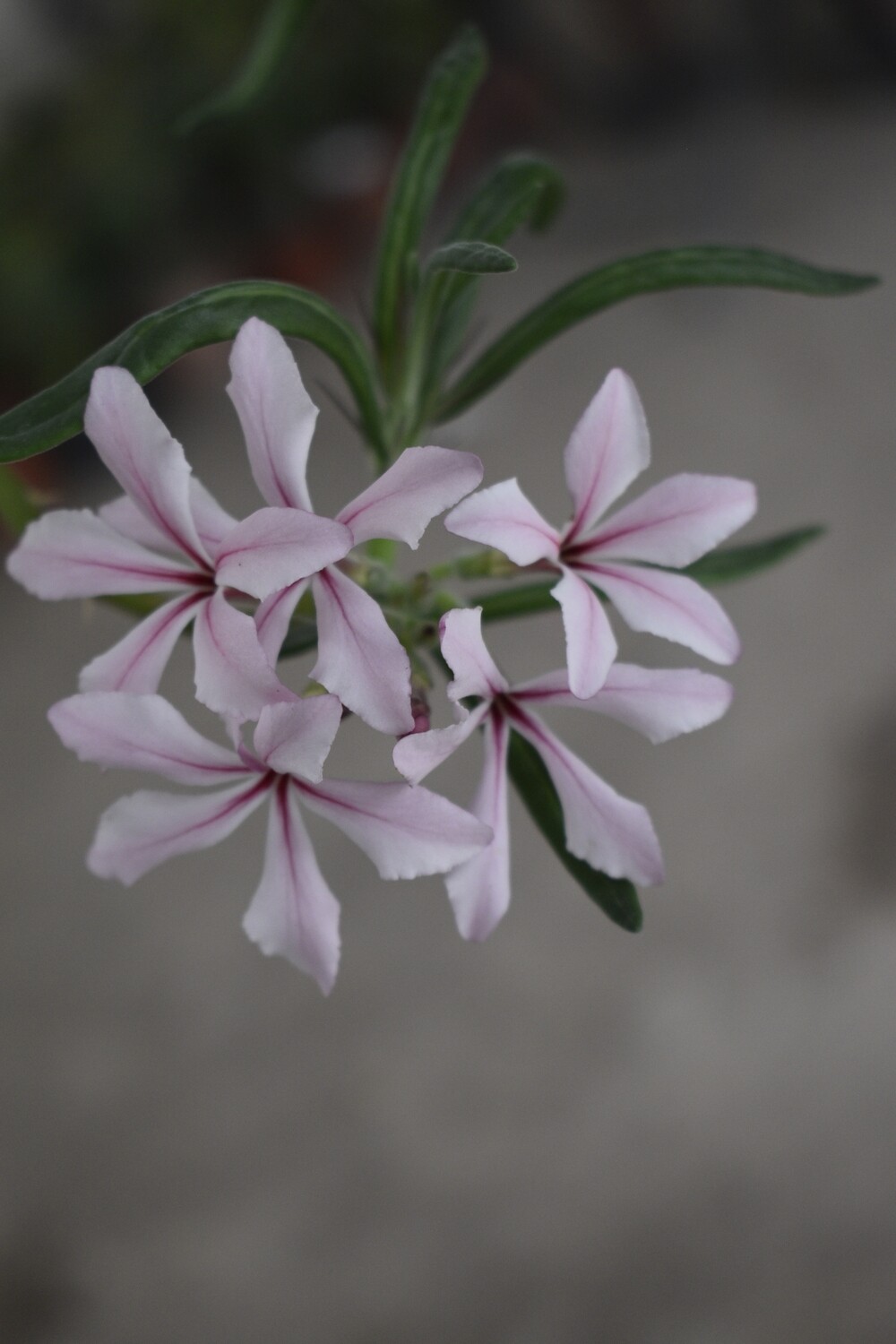
Pachypodium succulentum
Product Details
The Subterranean Sentinel: Pachypodium succulentum
A premier choice for caudiciform enthusiasts, featuring a massive partially buried tuber and delicate, star-shaped blooms.
- Origin & History of Name: The genus name Pachypodium combines the Greek pachys (thick) and podion (foot), describing the characteristic swollen base.
The specific epithet succulentum is Latin for "fleshy" or "full of juice," a direct reference to the plant's water-storing tissues. It was formally described by botanist Alphonse Pyramus de Candolle in 1844, based on specimens collected during early botanical expeditions to the Cape of Good Hope. - Morphology: This species is a classic caudiciform, characterized by a large, tuberous caudex that can reach 15 cm in diameter.
The epidermis on the thin, woody branches is armed with paired stipular spines. Unlike its arborescent relatives, P. succulentum produces narrow, lanceolate leaves with revolute margins. Its primary aesthetic appeal lies in the contrast between the rugged, corky base and the surprisingly delicate, five-petaled flowers which vary from white to crimson-striped pink. - Habitat & Origin: This is a wild species endemic to the dry thickets and stony hillsides of the Eastern and Western Cape provinces of South Africa.
It is highly adapted to arid environments where it grows primarily wedged between rocks. Our specimens are nursery-grown from seed, ensuring the protection of wild populations and adherence to sustainable horticultural practices. - Cultivation Profile:
- Substrate: Requires a strictly mineral-based, free-draining mix (e.g., 60% coarse grit or crushed leca, 20% perlite, 20% coco-peat). High drainage is critical to prevent caudex rot during the Indian monsoon.
- Light: Thrives in bright indirect light to full sun.
In the Indian subcontinent, it benefits from direct morning sun but may require 30% shade cloth during the extreme ultraviolet peaks of April and May. - Water/Dormancy: Follow a "drench and dry" protocol during the growing season. This species enters a semi-dormant state in winter (December–January); reduce watering significantly during this time. Avoid overhead watering during the humid monsoon months to protect the apical meristems from fungal infection.
- Scientific/Historical Anecdote: In its native South African habitat, the massive underground caudex of Pachypodium succulentum is often utilized by local fauna; porcupines and baboons are known to rasp away the bark to access the water-rich tissues during severe droughts. Interestingly, despite its formidable appearance and spines, the floral nectar is a primary food source for specific long-tongued hawk moths.

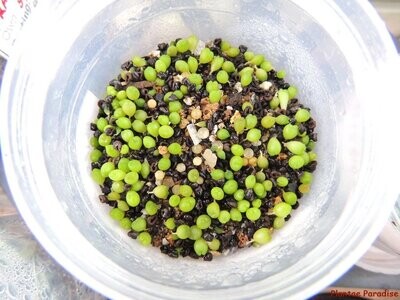
Cactus Seed Planting Mix
Cactus Seed Planting Mix
Sterile, Fine-Grain Media for Cactus & Succulent Seeds
SKU MNS005
₹74.85

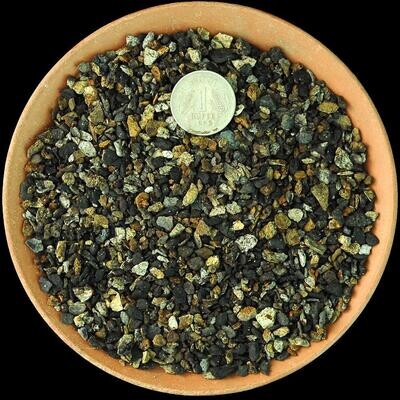
Cactus & Succulent Planting Mix COARSE (aka Cactus Soil Mix or Succulent Soil Mix)
Cactus & Succulent Planting Mix COARSE (aka Cactus Soil Mix or Succulent Soil Mix)
Washed, Free-Draining Mineral Mix for Cactus & Succulents
SKU MNS003
₹44.85
New


Monsoon Guardian Kit (5 in 1)
Monsoon Guardian Kit (5 in 1)
Complete 5-in-1 biological protection kit for cacti & succulents
SKU MNS024
₹850.00