1. Origin of Name
The name Parodia mammulosa ssp. submammulosus is a fascinating blend of botanical classification and descriptive traits. The genus Parodia honors Lorenzo Raimundo Parodi, an Argentine botanist who made significant contributions to the study of South American flora. The species name mammulosa comes from the Latin word “mammula,” meaning “small breast” or “nipple,” referring to the small, nipple-like tubercles on the plant’s surface. The subspecies name submammulosus further emphasizes this feature, with “sub” meaning “under” or “less than,” indicating a slightly less pronounced tubercle structure.
This cactus was first described in the early 20th century by botanists exploring the diverse flora of South America. The name choice reflects both its physical characteristics and its geographic origin, making it a standout among ball cacti.
2. Origin of Plant
Parodia mammulosa ssp. submammulosus is native to the grasslands and rocky outcrops of southern Brazil, Uruguay, and northern Argentina. It thrives in well-draining, sandy soils and is often found in sunny, open areas where it can receive plenty of light.
This cactus was discovered during the late 19th and early 20th centuries, a time when European botanists were actively documenting the flora of South America. Its ability to withstand harsh, dry conditions and its striking appearance quickly made it a favorite among cactus enthusiasts and collectors.
3. Description
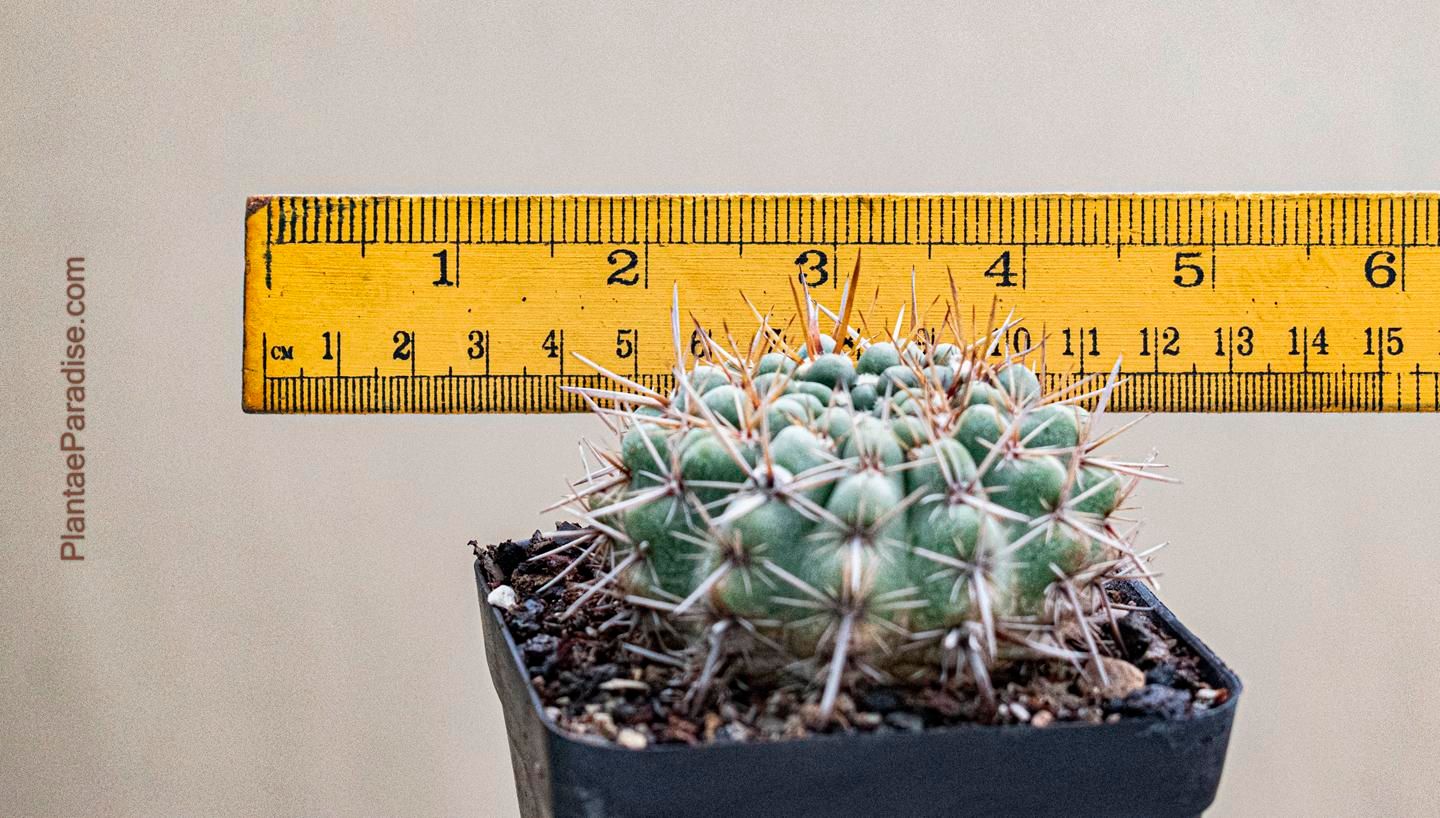
Parodia mammulosa ssp. submammulosus is a small, globular cactus that typically grows to about 3-5 inches (7.5-12.5 cm) in diameter. Its most distinctive feature is its surface covered in small, nipple-like tubercles, which give the plant a unique, textured appearance. The tubercles are arranged in neat, spiral patterns, giving the cactus a symmetrical, almost geometric look.
The plant’s body is typically dark green, with a slightly ribbed surface covered in small, white, woolly areoles. From these areoles emerge short, fine spines that give the cactus a soft, almost fuzzy appearance.
During the blooming season, Parodia mammulosa ssp. submammulosus produces stunning, bright yellow flowers that emerge from the crown of the plant. These flowers, which can measure up to 1.5 inches (3.8 cm) in diameter, are a striking contrast to the cactus’s dark green body and add a burst of color to this already captivating plant.
4. Conservation Status
Parodia mammulosa ssp. submammulosus is not currently listed as endangered or threatened, but like many cacti, it faces challenges due to habitat loss and illegal collection. The grasslands and rocky outcrops where it grows are under increasing pressure from agriculture and urbanization, making conservation efforts crucial for the survival of this species.
As a responsible plant seller, we encourage our customers to source their plants from ethical growers who prioritize conservation and sustainability. By choosing cultivated specimens, you can enjoy the beauty of Parodia mammulosa ssp. submammulosus without contributing to the depletion of wild populations.
5. Care
Light: Parodia mammulosa ssp. submammulosus thrives in bright, direct sunlight. Place it in a south-facing window or outdoors in a sunny spot. However, if you’re moving it outdoors, acclimate it gradually to prevent sunburn.
Water: This cactus is highly drought-tolerant and prefers infrequent watering. Allow the soil to dry completely between waterings, and reduce watering during the winter months when the plant is dormant. Overwatering can lead to root rot, so err on the side of caution.
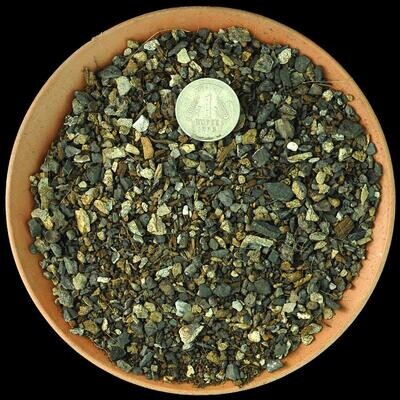
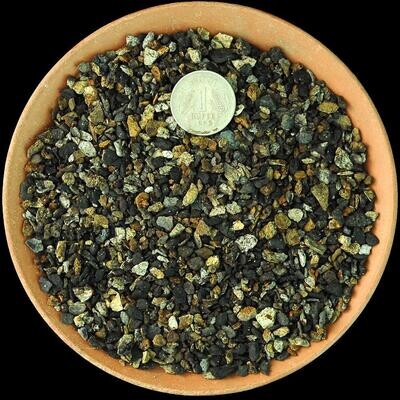
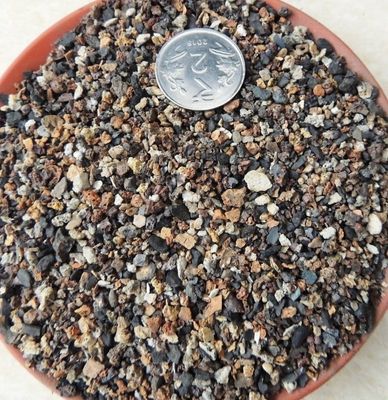
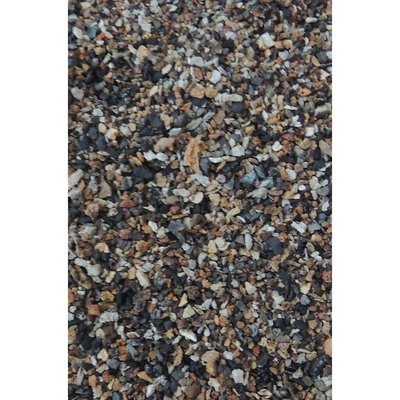
Soil: Use a well-draining cactus or succulent mix. Adding perlite or pumice can improve drainage and mimic the plant’s natural sandy habitat.
Temperature: Parodia mammulosa ssp. submammulosus prefers warm temperatures between 70°F and 90°F (21°C to 32°C) during the growing season. It can tolerate cooler temperatures down to 50°F (10°C) in winter but should be protected from frost.
Fertilizer: Feed sparingly with a balanced, diluted cactus fertilizer during the growing season (spring and summer). Avoid fertilizing in winter when the plant is dormant.
Tips: Rotate the plant occasionally to ensure even growth and prevent it from leaning toward the light. Handle with care, as the cactus’s spines can be sharp.
Interesting Anecdote
Did you know that Parodia mammulosa ssp. submammulosus is often referred to as the “Charming Ball Cactus” due to its small, globular shape and vibrant flowers? This nickname highlights its remarkable ability to stand out in its natural habitat, where its bright coloration helps it blend in with the reddish soils and rocks of southern Brazil.
In its native range, Parodia mammulosa ssp. submammulosus is sometimes used in traditional medicine, where it is believed to have healing properties. While this particular species is primarily grown for its ornamental value, it is a testament to the cultural significance of cacti in South America.
Add a touch of South American beauty to your home or garden with Parodia mammulosa ssp. submammulosus—a cactus that’s as resilient as it is stunning. Perfect for both novice and experienced plant enthusiasts, this charming ball cactus is sure to be a conversation starter and a cherished addition to your collection.