Origin of Name
Parodia penicillata, previously known as Notocactus penicillata, derives its name from the genus Parodia, named in honor of the Brazilian botanist Carlos Parodi. The species name 'penicillata' refers to the brush-like appearance of its spines. This renaming from Notocactus to Parodia reflects taxonomic revisions based on genetic and morphological studies, aiming to better categorize these cacti.
Technical Description of Plant
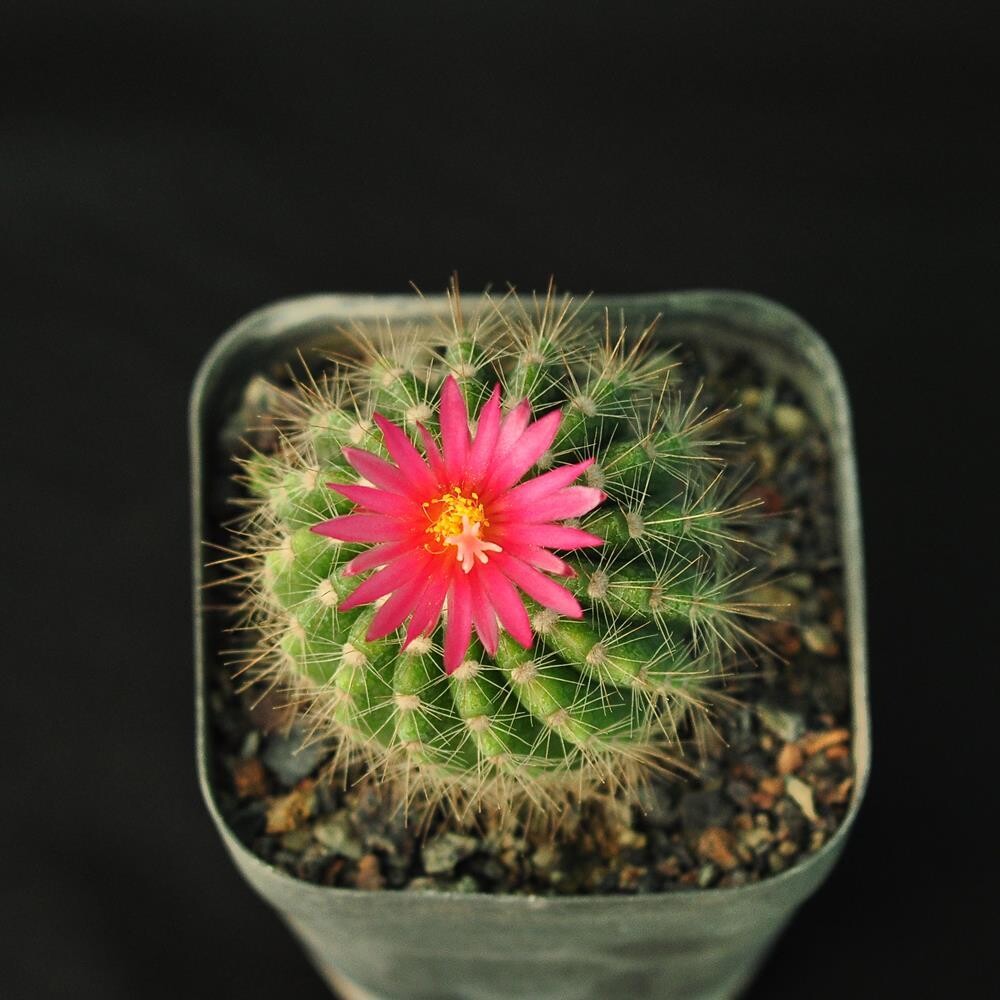
Parodia penicillata is a small, globular cactus, typically growing in clusters. It reaches about 2-4 inches in height and width. The plant is characterized by its bright green, spherical to elongated stems, adorned with pronounced ribs. Each areole on the ribs sports vibrant yellow spines, which are thin, needle-like, and radiate outward, resembling a brush. During spring and summer, it blooms with striking red flowers at the crown, adding to its ornamental appeal.
Origin of Plant
Native to the grasslands of Brazil and Uruguay, Parodia penicillata is adapted to a temperate, somewhat humid environment, unlike many other cacti that prefer arid conditions. Its natural habitat consists of rocky outcrops and grasslands, where it benefits from the higher moisture levels and partial shade provided by its surroundings.
Conservation Status
Parodia penicillata is not listed as endangered, but like many cacti, it faces threats from habitat loss and illegal collection. Conservation efforts are focused on habitat preservation and promoting sustainable cultivation to reduce pressure on wild populations. Its status underlines the importance of responsible cultivation and trade in ornamental plants.
Care Instructions
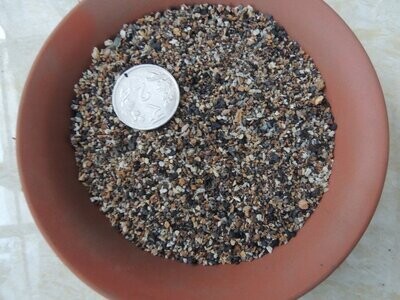
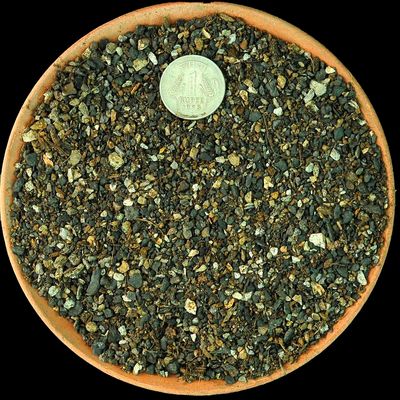
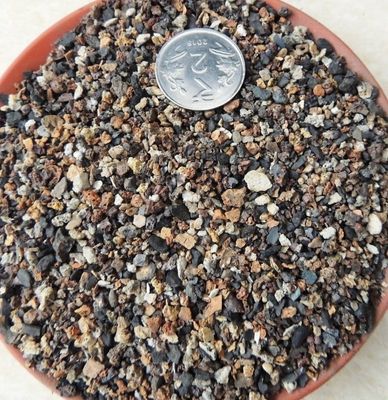
Parodia penicillata is relatively easy to care for, making it suitable for beginners. It prefers bright, indirect light and well-draining soil. Water moderately during the growing season and allow the soil to dry out completely between waterings. In winter, reduce watering to once a month or less. This cactus tolerates a range of temperatures but should be protected from frost. Fertilize with a cactus-specific formula during the growing season for optimal growth and flowering.