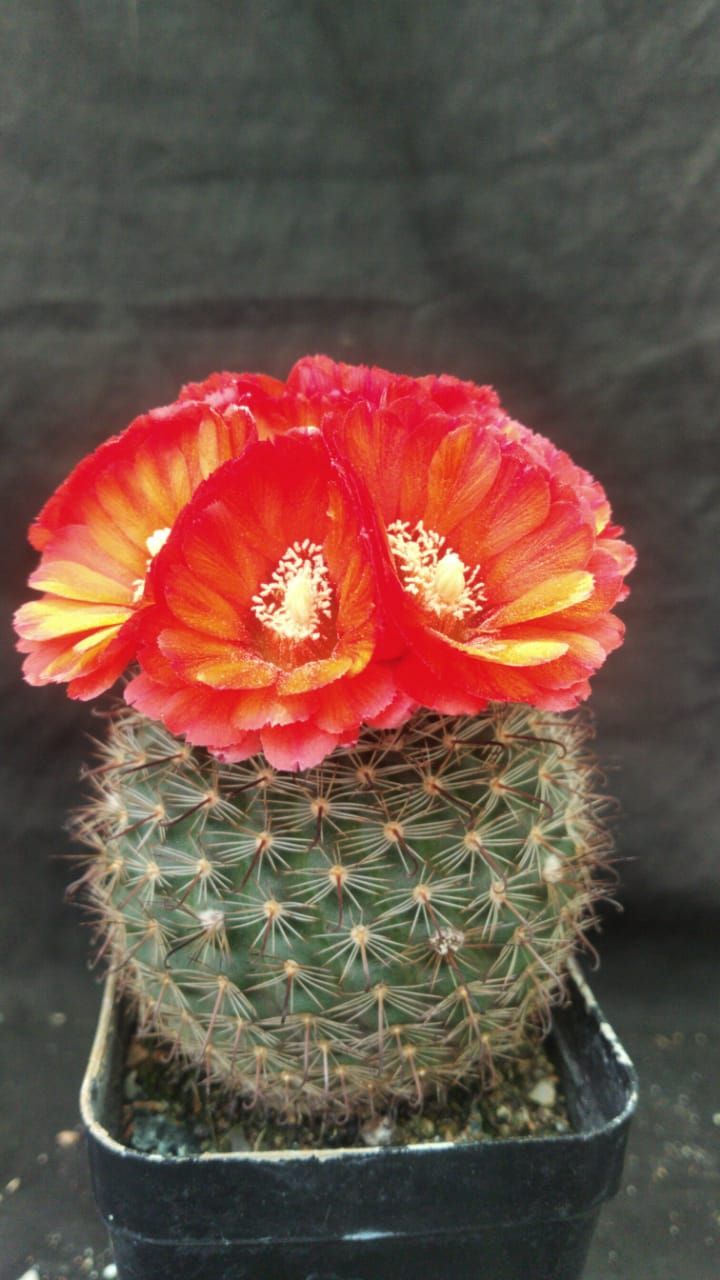
Prepare to be dazzled by a jewel from the South American highlands! The Parodia sanguiniflora is a compact marvel, known for its charismatic spination and, most notably, its breathtakingly vibrant blooms. Often referred to as the "Blood Red Ball Cactus" for good reason, this cheerful little plant promises an explosion of color, transforming any collection into a radiant showcase of desert beauty.
1. Origin of Name
The genus name, Parodia, was established by Spegazzini in 1905, honoring Domingo Parodi (1823–1889), a distinguished Italian-Argentine botanist, pharmacist, and physician who made significant contributions to the study of South American flora. He was a prolific collector, particularly in Paraguay and Argentina. The specific epithet, sanguiniflora, is derived from Latin: "sanguis" meaning "blood," and "flos" meaning "flower," directly translating to "blood-red flowered." This name perfectly captures the most striking feature of this species – its intensely colored, often deep crimson or scarlet blossoms. Historically, many Parodia species, including this one, were once classified under the genus Notocactus, a testament to the dynamic and evolving nature of botanical classification as new research and understanding emerge. The shift to Parodia reflects a more accurate phylogenetic grouping.
2. Origin of Plant
Parodia sanguiniflora is native to the high-altitude grasslands and rocky areas of northern Argentina (specifically the provinces of Jujuy and Salta) and extends into parts of southern Bolivia. In these regions, it typically grows in well-drained, often gravelly or sandy soils, nestled among rocks or in open grassy patches, enduring significant temperature fluctuations between day and night, and through the seasons. Its habitat ranges from approximately 1,000 to 3,000 meters (3,300 to 9,800 feet) above sea level. Early botanical expeditions into the rugged Andean foothills and high plains of South America during the late 19th and early 20th centuries were instrumental in bringing these vibrant cacti to scientific attention, documenting their unique adaptations to such harsh yet beautiful environments.
3. Description
The Parodia sanguiniflora is a charmingly compact cactus, typically growing as a solitary, globular to short-columnar plant, usually reaching about 5-10 cm (2-4 inches) in diameter and similar heights, though it can eventually form small clumps. Its body is typically a dull green to bluish-green, adorned with numerous, often 13-21, well-defined ribs that are sometimes tuberculate. The plant's spination is another ornamental highlight, featuring densely packed, bristly spines that can range in color from reddish-brown, golden-yellow, or even white, providing a soft, almost furry appearance and contrasting beautifully with the plant body. There are typically 4 central spines, often hooked, and numerous radial spines. However, the true glory of this cactus is its magnificent flowers. Emerging from the apex of the plant in spring and summer, these are large, funnel-shaped, and incredibly vibrant, predominantly a dazzling blood-red to fiery orange-red. They are remarkably showy, often eclipsing the plant itself, and can bloom repeatedly throughout the warmer months, creating a spectacular display.
4. Conservation Status
Parodia sanguiniflora is generally considered to be of Least Concern on the IUCN Red List of Threatened Species. While its natural populations are not immediately endangered, like many cacti, it faces localized threats from habitat degradation due to agriculture, urbanization, and excessive collection from the wild for the horticultural trade. Its restricted natural range means that specific populations could become vulnerable. Responsible sourcing from cultivated specimens helps to reduce pressure on wild plants and supports the conservation of this beautiful species and its fragile ecosystem.
5. Care
Caring for Parodia sanguiniflora is straightforward, making it a rewarding plant for both beginners and experienced cactus enthusiasts.
- Watering: Water moderately during the growing season (spring and summer), allowing the soil to dry out completely between waterings. Reduce watering significantly in autumn, and keep it almost entirely dry during winter dormancy. Overwatering, especially in cooler temperatures, is the quickest way to cause rot.
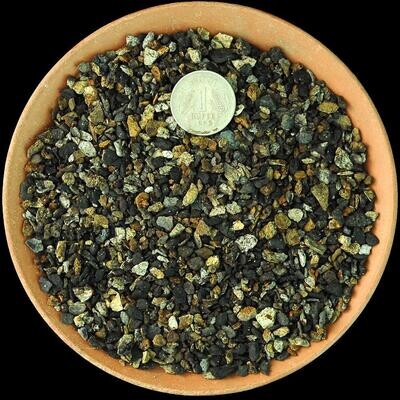
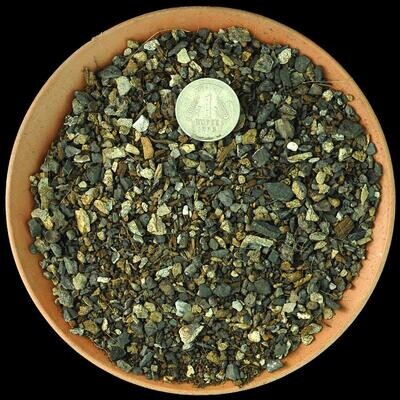
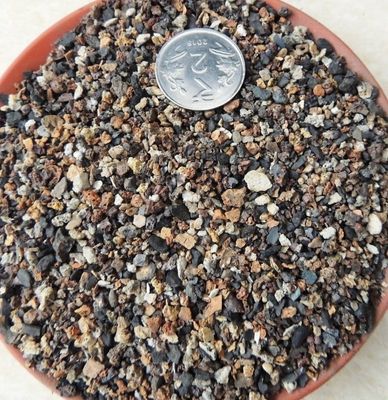
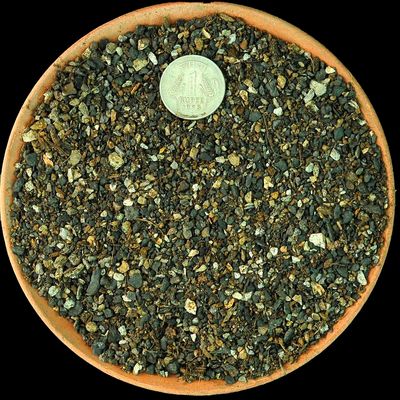
- Soil: Requires an extremely well-draining cactus and succulent mix. A blend with a high proportion of inorganic materials like pumice, perlite, and coarse sand (e.g., 70-80% inorganic) is ideal to prevent waterlogging.
- Light: Provide bright light to full sun. It thrives in several hours of direct sunlight daily, which encourages dense spination and abundant flowering. In very hot climates, some afternoon shade during the peak heat may be beneficial.
- Temperature: Tolerates a wide range of temperatures during its active growth. It is relatively cold-hardy for a cactus, potentially surviving light frosts if kept completely dry. However, it's best to protect it from prolonged temperatures below -4°C (25°F).
- Tips: Ensure excellent air circulation. Fertilize with a balanced, low-nitrogen cactus fertilizer during the peak growing season. Repotting is generally needed every 2-3 years, or when the plant outgrows its pot.
6. Engaging Anecdote
The Parodia sanguiniflora stands as a living emblem of the unexpected vibrancy found in seemingly barren landscapes. Its common name, "Blood Red Ball Cactus," doesn't just describe a color; it evokes the sheer intensity and surprising appearance of its flowers. Imagine hiking through the rugged, sun-baked plains of Argentina, amidst sparse grasses and stoic rocks, and suddenly encountering a cluster of these small, spiny spheres ablaze with fiery red blossoms. It's a startling contrast that speaks to the plant's incredible resilience and its determination to captivate and propagate. These flowers, often much larger than the cactus body itself, are a beacon for pollinators in its austere habitat, a splash of brilliant life in a muted palette. Owning a Parodia sanguiniflora is like having a miniature, fiery sunrise captured in a pot, a constant reminder that even in the most challenging environments, life finds a way to express breathtaking beauty.